

Give Pasta A Restaurant-Worthy Flavor Upgrade With A Splash Of This Briny Juice
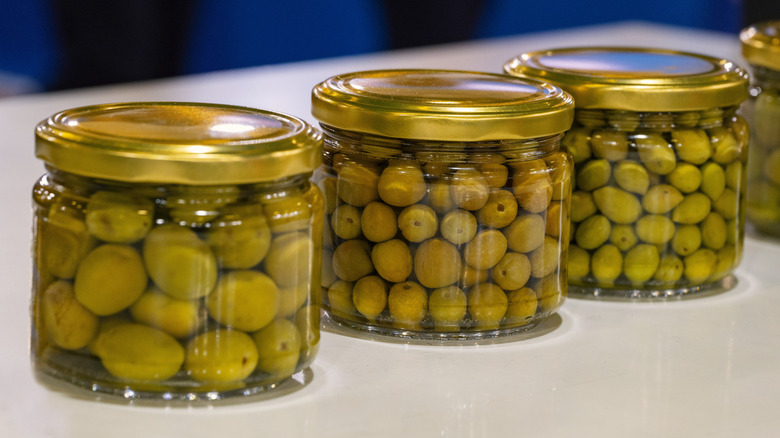
If you toss out the liquid that comes with your jar of olives, it may be time to change the habit and rethink its potential. There are plenty of delicious ways to use olive brine, including as a flavor upgrade for pasta. It consists of salt water, which is also packed with olive flavor, so the olives kind of marinate in this mixture, adding more restaurant-quality depth to your plate without the additional expense — if you already have a jar of olives on hand. There's also vinegar, which adds sharpness to the brine. Aside from its salty flavor profile, it also acts as a seasoning with a tangy bite, making any pasta more vibrant as if it's straight out of a Mediterranean restaurant.
There are several ways you can introduce olive brine to pasta, including adding a splash to your pasta sauce while it cooks to elevate it before tossing it in the cooked pasta. Alternatively, you can use it to upgrade your store-bought sauce and simmer it together for a touch of complexity. You can even season your pasta with it as it boils if you want the flavor to be less potent. If you're trying to choose the best jar of olives, green olives deliver the best brine if you want an all-rounder. It's mild, so you don't have to worry about it standing out too much in some pasta dishes. Castelvetrano or Cerignola are a few of your tasty options. Once you've chosen your preferred olives, picking a pasta dish to pair should be a breeze.
Olive brine might be the secret weapon you need for your pasta dishes
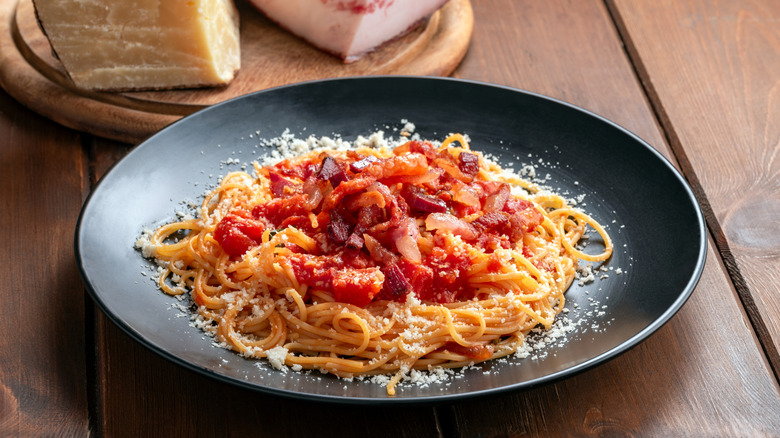
If your pasta needs an olive brine's umami and zest, it can be commonly seen on a dirty martini pasta, which is a creamy dish with butter and creamy cheese. Aside from creamy pastas built on white sauce, olive brine also goes well with classic pasta dishes, especially if you're looking for an unconventional upgrade. Something like spaghetti marinara and pasta puttanesca can benefit from its robust, savory, and rich goodness, as its brininess complements the acidity of tomato sauce quite well. Even mild pasta dishes can use some olive brine, like aglio e olio and cacio e pepe, and give them a lively boost.
Since olive brine is salty, there are things to keep in mind to make sure you don't go overboard and accidentally ruin a good dish. As such, before even adding it to your sauce or pasta, make sure to give it a taste so you can gauge how much to use. But don't forget to also make room for how much saltier it can get once you cook it, as the process brings out its saltiness even more. If it's too salty for your taste, you can create a mixture of equal parts brine and water to keep it more balanced. If you want to avoid trying to fix an overly salty dish, when in doubt, add a dash of brine and build it up as you go, ensuring you maintain a balanced flavor harmony.