

Use This Secret Addition To Turn Pasta Sauce Into A Nutritional Powerhouse

Pasta sauce already does a lot of heavy lifting when it comes to dinner. When you add it to your dish, it becomes the base, the flavor, and the moisture that brings it all together and makes the whole thing work. But it can do even more — like serving as a vehicle for extra nutrients without anyone at the table knowing.
The trick is to add pureed vegetables to your sauce. Cook them until soft, blend them until smooth, and stir them in. Raw vegetables are not ideal because they will leave your sauce chunky and be easily noticeable. Roasting is even better than boiling or steaming for most vegetables because it concentrates the flavor and reduces the water content. You can add seasonings too, such as garlic, Italian herbs, red pepper flakes, or even soy sauce (the one pantry staple that will make your sauce 10 times more flavorful), to help the vegetables blend even further into the background.
This works best with tomato-based classic Italian pasta sauce, such as marinara, arrabbiata, and Bolognese. The acidity and deep color of the tomatoes help mask the flavor and color of whichever veggies you blend in. So if store-bought marinara is your base, you're already halfway there. Most vegetables will essentially disappear right into the sauce. You won't taste them or see the veggies, but you can still benefit from their nutritional profile.
Which vegetables work well and what they add nutritionally
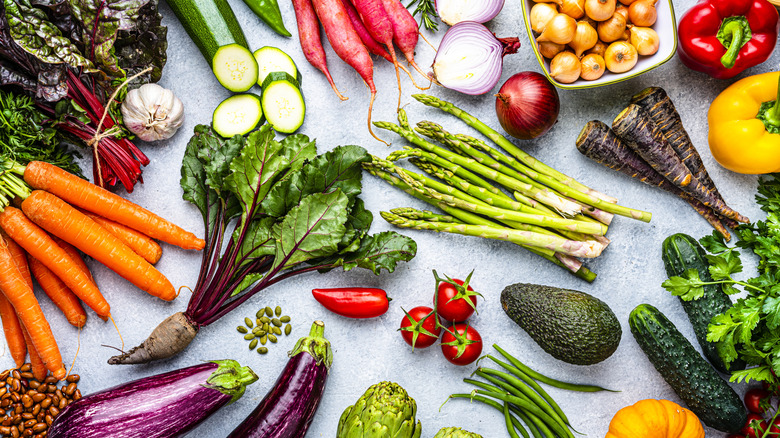
For tomato sauces, the best vegetables to use are ones with mild or complementary flavors and colors that won't turn the sauce an alarming shade. Zucchini is pretty flavorless when cooked and pureed, and it adds antioxidants, folate, vitamin A, and potassium. Bell peppers, especially red, add a little sweetness and are high in vitamin C and antioxidants. Butternut squash thickens the sauce and adds vitamin A, potassium, and fiber. Celery and onion are already staples in most sauces, so those are a given. Spinach can go in too, though larger amounts can add a faint green tint.
Cauliflower is your best bet for creamy sauces. It can be steamed and blended until smooth and it works beautifully as a base for Alfredo. It goes almost completely undetectable in a white sauce while increasing the fiber, vitamin C, and vitamin K levels. It's a pretty dramatic nutritional upgrade from the classic three-ingredient Alfredo sauce recipe. Butternut squash can do a similar thing for cheese sauce, lending a creamy texture and natural sweetness that balances the salt in cheddar sauces.
Pesto is a little different. The strong flavors of basil, garlic, and olive oil mean you can actually sneak in a few more assertive greens, like spinach, kale, and even arugula without overwhelming the sauce. A handful of spinach, for example, adds iron and folate. A little goes a long way, but it won't fight with the other flavors the way it might in a more delicate sauce.