

8 Disadvantages Of Using A Microwave
We may receive a commission on purchases made from links.
Microwaves are versatile and convenient, but they aren't without their disadvantages. Imagining your day-to-day cooking without them may seem impossible, but that doesn't mean they are always the best option. Because microwaves heat food differently than conventional ovens, everything from texture to temperature can be affected, and what you gain in time and convenience, you may lose in quality. Some dishes are well-suited to this hands-off approach, but others get better results with more traditional methods.
If you've ever put your lukewarm leftovers back in for an extra minute, only to scald your mouth on the lava-hot food moments later, you will know the limitations of this method of cooking. For simply heating most cooked foods, a microwave is hard to beat, but understanding where it falls short could make a big difference in how useful it is in the kitchen. Let's take a look at the main disadvantages of using a microwave.
1. Hot spots can cause uneven cooking
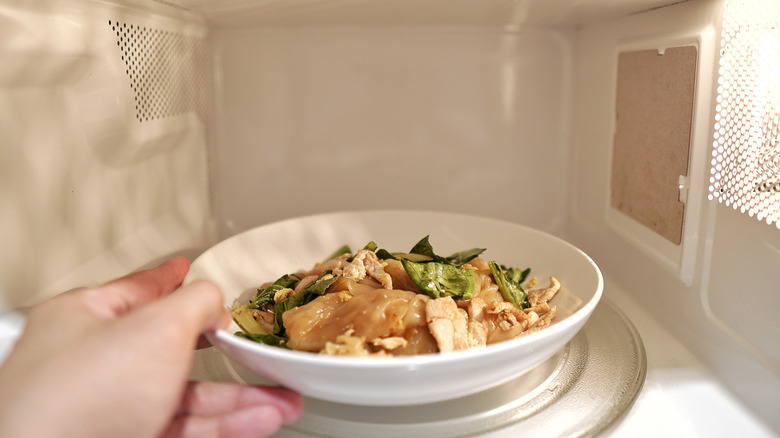
Microwaves can heat leftovers unevenly, with one forkful of food piping hot while another is decidedly lukewarm. This is due to the development of hot spots around the appliance. Though this is a normal part of the cooking process in microwaves, there are a few steps you can take to help your food heat more evenly.
One method of counteracting hot spots is to use a turntable. As the dish rotates slowly, all areas of the food are exposed to the microwave energy. To increase this effect, you should stir liquids or rotate solid items halfway through the cooking time.
If you want to find out where the hot spots are in your microwave, there is a fun way to do so. Line some marshmallows up on a plate, then place it inside without the rotating turntable in place. Cook for 60 seconds on low power, then check to see which marshmallows have softened or melted the most. Their location will reveal the areas where the heat is more intense than the rest. You can even do this twice, first with the turntable and then without, and compare the difference in the distribution of heat.
2. Food can't easily be browned or crisped up
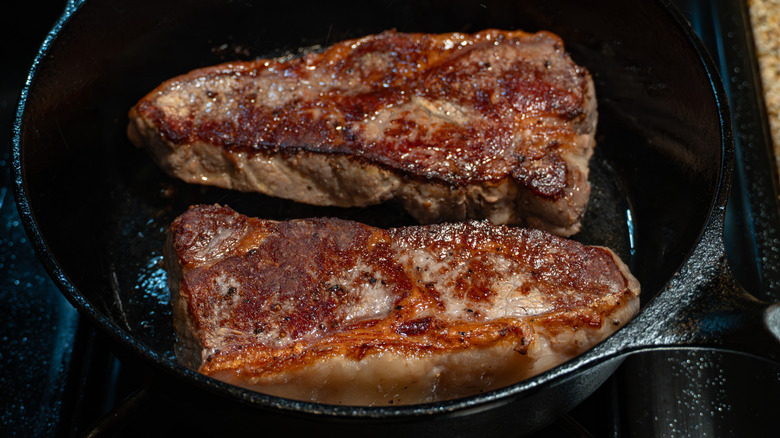
If you only need to heat your food, then a microwave does a wonderful job, and quickly. If, however, you are looking for your dish to brown or crisp up, then you may be disappointed. This comes down to the different way in which microwaves work compared to other appliances.
In an oven, hot air surrounds the food, heating both the interior and the surface of it, which will eventually cause it to crisp and brown. In contrast, microwaves work by causing molecules inside the food to vibrate quickly and absorb energy. This means the outside of the food is not being cooked more than the inside, as it would in a conventional oven.
While this obviously affects the appearance and texture of the ingredients, it also has an impact on flavor. The Maillard reaction is responsible for much of the golden brown color that develops as meat cooks in a regular oven or frying pan. For the Maillard reaction to take place, the surface of the food needs to become hot and free of excess moisture. In a microwave, this doesn't happen, since the temperature of the air inside remains relatively cool. As a result, the dish comes out piping hot, but without the exterior having developed that irresistible crunchy crust.
3. Bacteria can survive in cold spots
The uneven heating from microwave cooking can not only be frustrating, it can also create a food safety issue. In the same way that hot spots develop in certain areas, so too do cold spots, and this can be problematic if bacteria survive in the cooler temperatures.
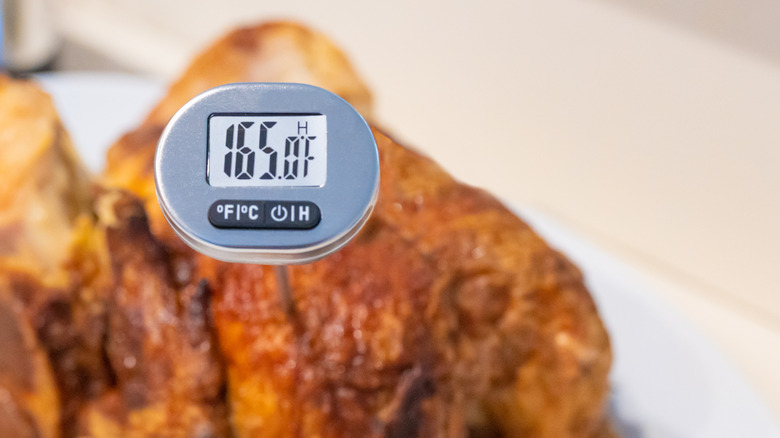
When heating leftovers, the USDA recommends a minimum internal temperature of 165 degrees F. Food that remains between 40 and 140 degrees F is within the USDA Danger Zone, where bacteria can multiply rapidly. Hot items should be kept above 140 degrees F, while cold food should be refrigerated at 40 degrees F or less.
If you have both hot and cold spots, then parts of the dish may not reach this safe temperature and could potentially be within the Danger Zone: hotter than when they were taken from the refrigerator, but not hot enough for the bacteria to be destroyed. In the case of meat dishes, this can be a big concern, potentially posing a risk of food poisoning such as salmonella or E. coli. If in doubt, a meat thermometer such as Alpha Grillers Instant Read Meat Thermometer will allow you to check your meal at various points and make sure that the whole dish has been sufficiently heated.
4. Microwaves can ruin the texture of certain foods
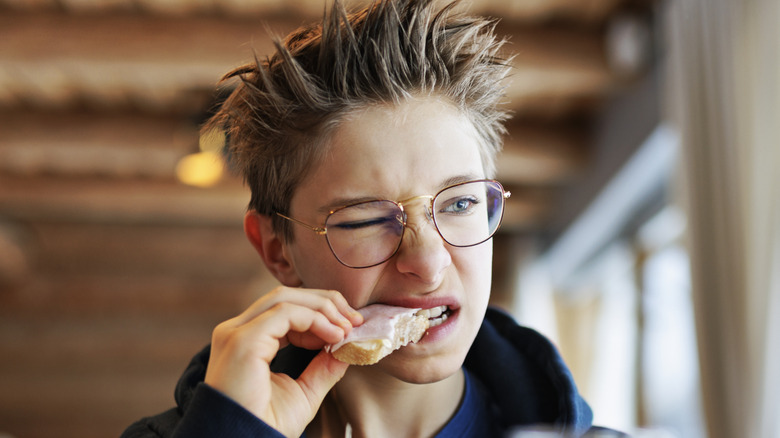
Using a microwave to quickly heat a bowl of soup or cook a baked potato makes it an incredibly convenient appliance, but not all foods are ideally suited for it. Some ingredients can become rubbery, dry, or just generally unpleasant, while others, such as bread, may seem fine when you take them out but quickly become tough and chewy.
A 1987 study titled Process of Bread Hardening by Microwave-Heating, examined why reheating bread in the microwave caused it to harden quickly. The researchers found that the same deterioration in texture did not happen with conventional heating, and was associated with changes to the water and starch structure within the bread.
Starchy foods are not the only ones that can suffer texturally, as eggs, meat, and cheese can also be affected. They are at risk of becoming tough if cooked at full power, so if you're planning to make scrambled eggs in the microwave, opt for a lower setting.
5. Certain cookware is unsafe to use
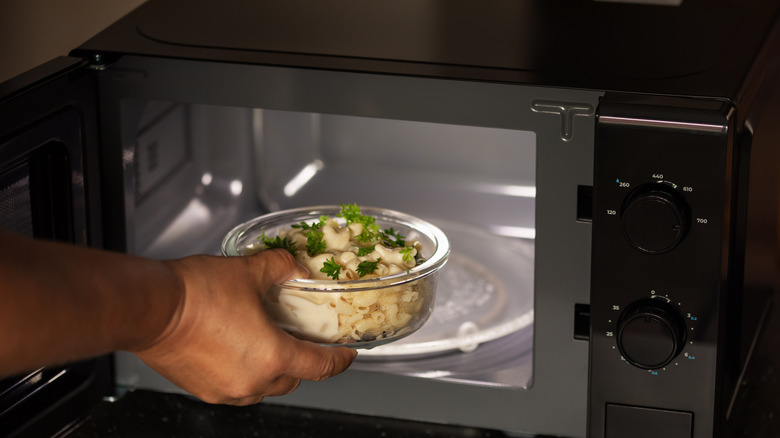
Choosing safe cookware requires more thought than simply avoiding metal, and there are some items you should think twice about putting in the microwave. Not only could using the wrong cookware ruin your food, but it could also cause sparking in your appliance. Crockery with a gold trim, for example, isn't safe to use, though it may not cross your mind that it contains metal.
While you may assume that plastic containers are totally fine to use, not all plastic is equal. Some can warp, melt, or allow chemicals to leach into the food if heated in the appliance. Common items that should not be used include yogurt or margarine tubs, as well as certain takeout containers that contain Styrofoam.
The best approach is to check that cookware is marked as microwave-safe before using. If you have food in a container that doesn't specifically state it's safe, transfer it to one that does before heating it.
6. Liquids heated in a microwave can become dangerously superheated
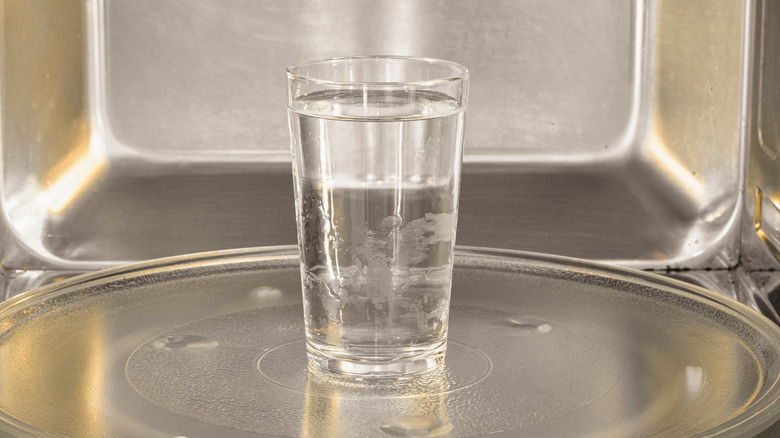
Using a microwave to heat water might seem like a great alternative to filling up the kettle, but it can be more dangerous than you may think. Microwaves can cause liquids to superheat, taking them beyond their usual boiling point and creating the risk of a sudden eruption when you move them.
Usually, as water approaches its boiling point, you can clearly see bubbles forming and eventually a vigorous boil that warns of its increasing temperature. Microwaving is different, though, and hot spots can form below the surface while the liquid looks relatively still. Adding instant coffee, or simply moving the cup, can then cause the superheated water to erupt from the mug, potentially causing a serious burn.
Superheating is rare, but putting a microwavable spoon inside the cup as it heats can reduce the chance of accidents. When removing liquids from a microwave, do so carefully, as they may be hotter than they appear.
7. Some foods don't react well to microwave cooking
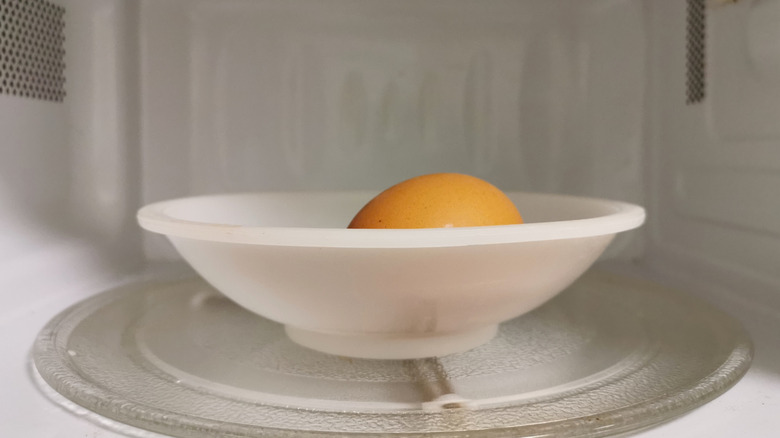
Although a microwave is incredibly versatile and can heat a wide variety of foods, there are a few that need a little more care. Some ingredients can make a serious mess of the appliance, while others can even be dangerous.
Whole eggs still in their shells are one example of a food that shouldn't be put in a microwave. As the egg heats, steam builds up and expands inside the shell with nowhere to go, which could result in the egg exploding. Potatoes can cause a similar issue if you don't poke holes in them before cooking, as steam could cause the skin to burst and potentially cause burns.
If you see sparks inside your microwave, you may worry that you have mistakenly put metal inside, but surprisingly, food can cause this too. Raw carrots and hot dogs are two possible culprits, so stop the appliance if you see sparks, or stick to cooking them on the stove instead.
8. Food can easily overcook
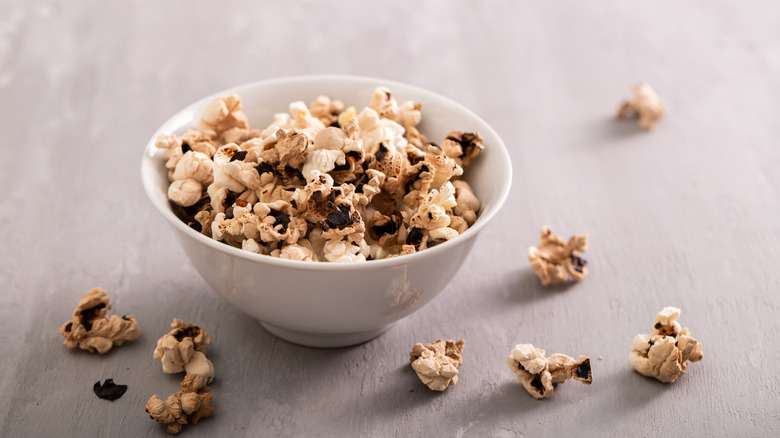
Microwaves can heat dishes much more quickly than an oven or using the stove, but sometimes that speed can work against you. Such a short cooking period can lead to your food overcooking.
One of the best ways to avoid inadvertently overcooking your dish is to start with a shorter time and then check the food before returning it to the microwave. By heating your dish in short bursts, you can spot when it is perfectly done and stop at that point. It's also wise to adjust the power setting based on what you're cooking or heating up. Many microwaves will even specific settings for potatoes, pizza, and popcorn, so be sure use those as they'll help ensure your food is cooked per your appliance's specs.
Another issue is that cooking doesn't grind to a halt as soon as the timer reaches zero, so it's a good idea to leave your food to rest for a few minutes afterward. Since the temperature of the dish can continue to rise during this period, factor it into your overall cooking time.