

What Steak Cut Does Culver's Use For Its Iconic ButterBurgers?
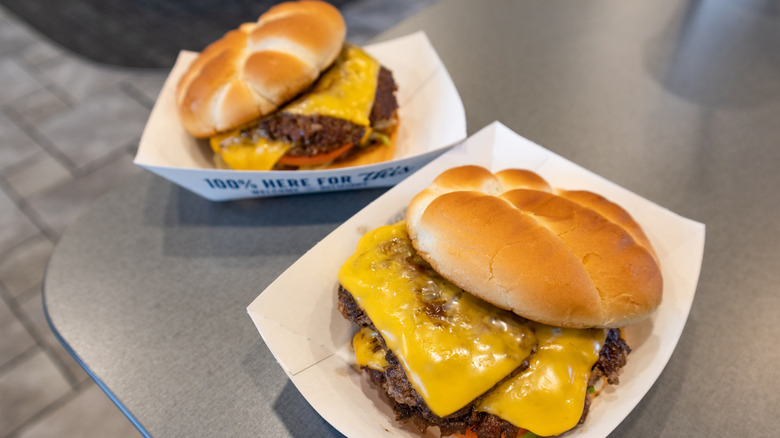
Culver's, the fast-food-meets-fast-casual restaurant, doesn't do things by half measures. The chain, which started with a single location in Wisconsin in 1984, is famous for its frozen custard and its Butterburgers. We've rated them the best fast food burgers around, and there are many reasons they make the grade. Sure, the signature buttered, toasted buns and the ability to order the burger with a wide range of toppings are nice, but that's only window dressing. Let's dig into the patties that make this burger really stand out. According to the company, its Butterburger patties are made using three primal cuts of beef: sirloin, chuck, and plate.
Sirloin comes from a section near the back of the animal between the short loin and round. It has lots of beefy flavor but is slightly leaner than other cuts. Chuck comes from the forequarter and is especially flavorful, although on the tough side, which is why it's often ground. The last cut, the plate, is less well known than the other two (it's where the hanger steak comes from) and is what sets Culver's burgers apart from the competition. The plate cut is highly marbled and loaded with beef flavor, and you won't find it in a McDonald's or Burger King patty.
What else sets Culver's Butterburgers apart from the competition?
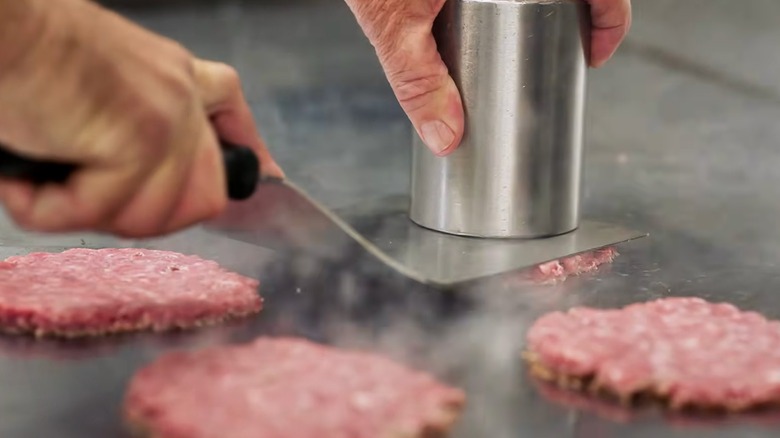
Besides the makeup of Culver's beef patties, the chain has a few other differentiators that help separate it from the pack. For instance, the beef, which is sourced from Midwest farmers, is delivered fresh to its locations from the company's distribution centers. It's never frozen, which prevents moisture and flavor loss, and the patties only hit the grill when you place your order. The grill master (an official title) places the meat on the grill and flattens it for the perfect sear and patty thickness. Working the grill is considered a prestigious position and requires earning the job after one-on-one training.
Another way Culver's differs from many of its contemporaries is its strict franchise rules, which require franchisees to go through a rigorous training program and be heavily involved in day-to-day operations. This may be why the company's growth has thus far been restricted to about 1,000 locations in 26 states. Still, if you live near one of those outposts (or are visiting), you'll likely taste the difference between a ButterBurger and its competitors on the first bite, even if you don't know a sirloin from a chuck.