

4 Downsides Of Using An Induction Stovetop
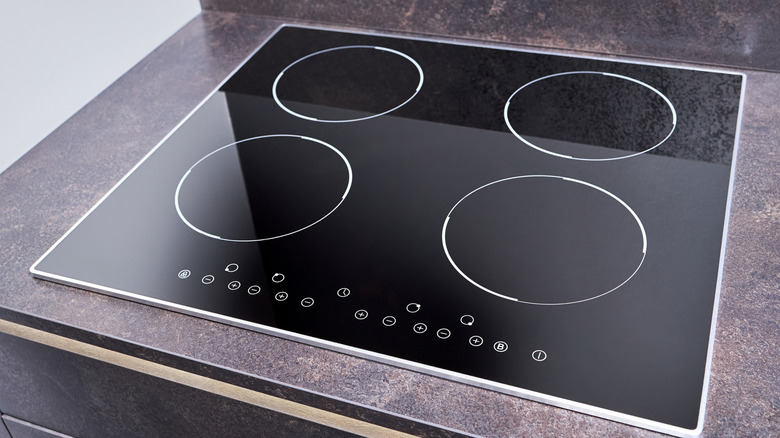
Induction cooktops can give your kitchen a sleek, modern look. They can also up your cooking game by working faster and safer than gas or standard electric stovetops. Induction cooking is about 10% more efficient than standard electric and three times more efficient than gas, making it an economically and environmentally sound choice for a cooking method.
Induction cooktops consist of a smooth surface that is either inlaid into the countertop, or sits directly on top of it. They've got burners, but not in the traditional sense. Instead, there's an electromagnetic field directly below the surface that's designed to transfer heat directly to your cookware. This field heats cookware fast, without heating the surface surrounding the burner areas, and cools down quickly once the cookware is removed. It's an ideal option for caregivers and forgetful cooks since they work quickly and efficiently with minimal risk of burning wandering hands. That sounds pretty appealing, and for all intents and purposes it is a great option — if you're willing to work with the downsides.
Induction cooktops require some getting used to
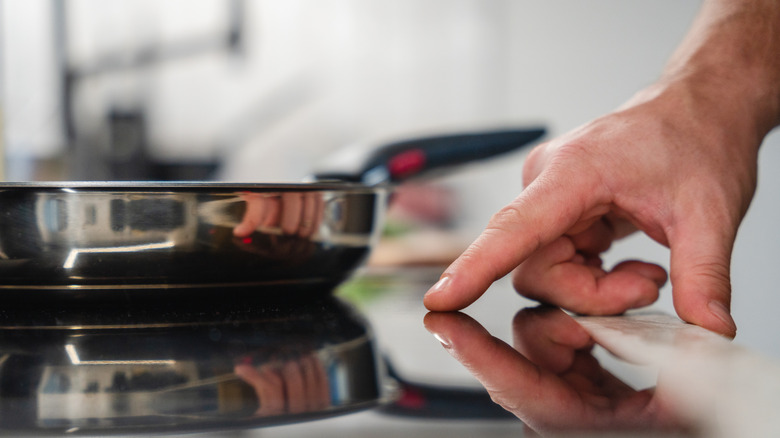
There is a learning curve to induction stovetops, and it takes some cooks a long time to get used to them. There are a lot of features, including the ability to combine burners into a larger cooking surface, all of which are typically controlled with touch sensors that are part of the cooktop rather than knobs or buttons. Like with any appliance, the better informed you are of what your induction cooktop can do, and how to use its functions, the better results you get, so you need to take some time to familiarize yourself with all the bells and whistles.
That super-fast heating and cooling also means you have to adjust your cooking routines. Water boils quickly, so you don't have much time to do other things while you're waiting. The same goes for melting or sauteing; if you aren't vigilant, you could wind up with spillage or burned food. Users of induction cooktops sometimes struggle with another unusual aspect of these appliances: They can produce a buzzing sound when heating up. This doesn't mean the appliance is broken, and it doesn't affect cooking power, but it can be a bit noisy and distracting for some cooks.
Only certain cookware works with induction cooktops
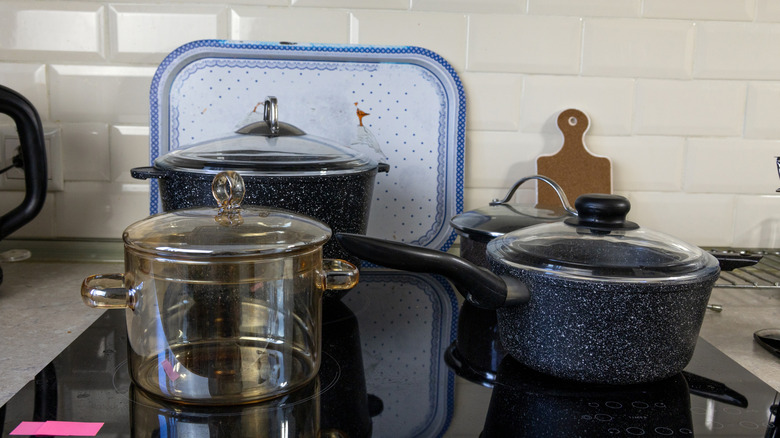
With a gas or electric burner, you can put just about any kind of pot or pan on the stove and cook away, but because induction cooktops use an electromagnetic component to conduct heat to magnetic cookware, they only work with pots that have magnetic bottoms. In other words, materials such as glass, ceramic, pure aluminum, and pure copper simply don't work. Cookware materials that are compatible include cast iron, enameled cast iron, such as from Le Creuset, magnetic stainless steel, and carbon steel. You can also find nonstick pans made with magnetic bases.
If you switch to an induction stove, you may not have to purge your cupboards and buy all new cookware. Instead, check your current stock and see what may work by pressing a magnet against the bottom of your pans. If it sticks, you have an induction-compatible piece of cookware. An added bonus is the aforementioned ability to combine burners for a larger cooking surface that some induction cooktops are capable of, meaning you aren't necessarily limited to standard-sized cookware if you need something special for the meal you're working on. If you do need to buy new cookware, look for an "induction compatible" label on the package.
Certain cookware requires extra care and attention
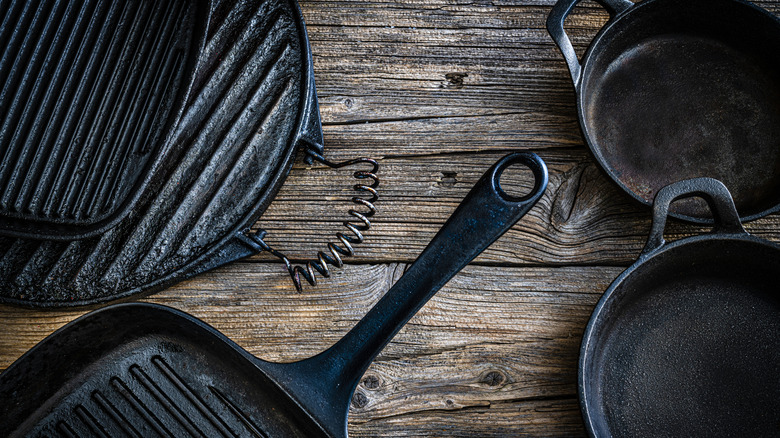
If you cook with cast iron, you have to use it with care on an induction stovetop. This sturdy material makes great meals and can last for decades if you take good care of it, but you could have big problems on your hands if you use it improperly on an induction cooktop.
Cast iron is a brittle metal, and therefore subject to thermal shock. One of the benefits of induction cooktops is heating up quickly, but cast iron is meant to heat up slowly. On an induction cooktop, cast iron can also heat up unevenly. Unless you take the time to heat the pan slowly and gradually, you run the risk of cracking the pan.
These pots and pans are also notoriously heavy, and induction cooktops, which are easy to damage, can break if you drop your cast iron on them. The bottoms of cast iron also tend to be a bit rough, which can scratch or gouge the surface if you slide the cookware on or off the heating area. These marks might be superficial, but they certainly take away from the aesthetic of your fancy induction cooktop.
You have to clean them carefully
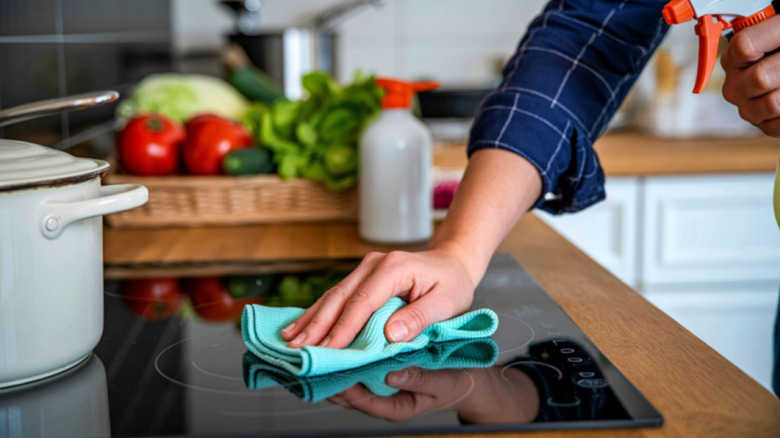
Keeping your stovetop clean is basic kitchen maintenance, but induction cooktops need special care. They're surprisingly easy to clean, but using the wrong cleaning supplies can do a number on your shiny stovetop. That goes for both the chemicals you use and the material you scrub the surface with. Avoid steel wool and rough, heavy-duty scrubber sponges, abrasive cleansers such as bleach- and ammonia-based products, and rust remover.
To keep your induction cooktop looking its best, clean it every time you finish using it. All you need is some water and a soft cloth. These materials are safe, affordable, and don't contain anything abrasive that can scratch the surface. If food is stuck on the surface, you can use a cooktop scraping tool or a nonabrasive scrubbing pad. If water doesn't do the trick, you can also try mild dish soap or vinegar and baking soda. Your appliance should come with a user manual that tells you what you need to know, so check out the cleaning instructions while you're learning what a powerful tool your induction stovetop is.