

Pasta Sauce Has 10x Better Flavor When You Add This Smoky Seasoning
We may receive a commission on purchases made from links.
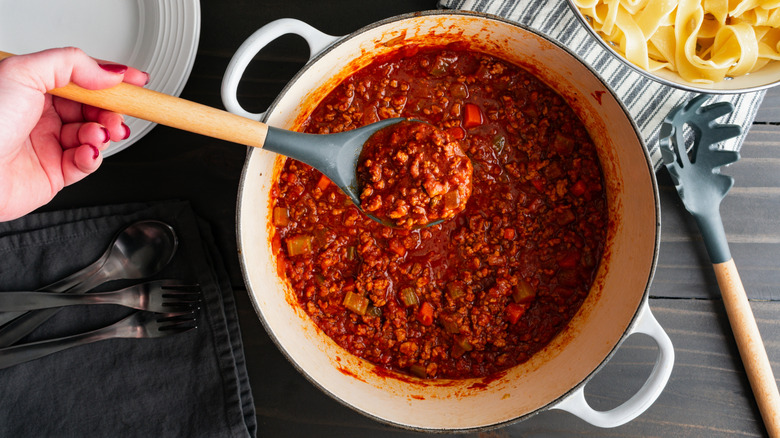
Pasta lovers know that noodles are only half of the equation. Without an especially tasty sauce, the dish won't become greater than the sum of its parts. But whether you make pasta sauce from scratch or buy it at the grocery store to save money, there's one seasoning you shouldn't overlook when you want to add depth and complexity: smoked paprika.
Also known as pimentón, smoked paprika is similar to the standard kind (they're both pulverized dried red peppers), except it's dried using a hefty dose of wood smoke. This makes it a powerfully earthy, woodsy seasoning – perfect for upgrading practically any kind of pasta sauce with a flavor that makes an impact from the first mouthful. In tomato-based sauces, its smokiness tones down the nightshades' acidity and adds a robust, fire-roasted savor; in creamy sauces, its earthiness mellows. And because smoked paprika comes in both sweet and spicy varieties, you can easily adjust your sauce's heat level to suit your palate. So, something like McCormick's Gourmet Collection Organic Smoked Paprika would be perfect for boosting basic marinara or rounding out an umami-rich puttanesca, while a fiery variety like La Dalia's Spanish Hot Smoked Paprika can kick your arrabiata into high gear. Its smokiness also does wonders for meat sauces, accentuating their heartiness. However, there are a few things to keep in mind when seasoning your pasta sauce for the best results.
Tips for leveling up your pasta sauce with smoked paprika
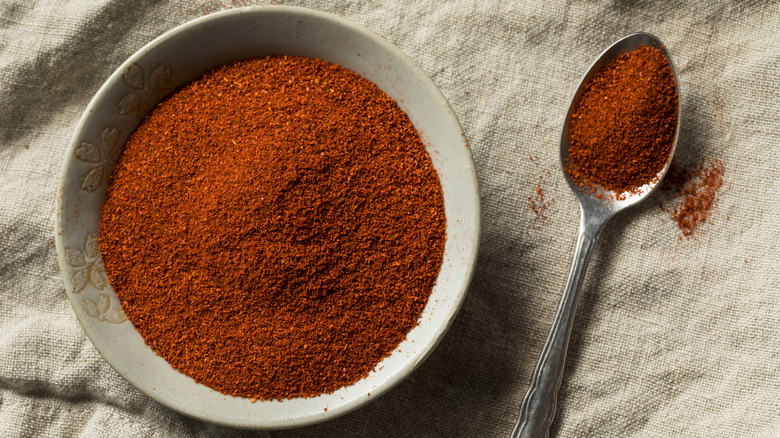
Smoked paprika may be a secret ingredient for great pasta sauce, but to fully capitalize on its flavor, you have to be careful about how you incorporate it. Like many spices, it benefits from blooming (heating for at least half a minute) in a cooking fat like olive oil, ideally while sauteing complementary spices and aromatics like onion and garlic. This expresses the spice's nuances and deepens the sauce's flavor, whether you're whipping up some Cajun fettuccine Alfredo, seasoning your mac and cheese sauce, or giving shrimp scampi pasta a smoky upgrade. Just don't wait too long before adding liquids like wine, broth, or tomatoes, since paprika tends to scorch easily. If you're using jarred sauce, just bloom a bit of smoked paprika in oil or butter before stirring in your store-bought bounty.
This spice also isn't the most subtle, so season judiciously — a couple of teaspoons per 14-ounce can of tomatoes or a tablespoon for every 2 cups of heavy cream in a recipe is a great place to start. For jarred sauces, you might only need to bloom half a teaspoon. Smoked paprika also makes an inspired addition to regular or vegetarian carbonara when sprinkled into the sauce before it's tossed with the hot pasta. But really, no matter what sauce you add it to, it's bound to take your pastas from familiar to phenomenal.