

9 Myths About Steak You've Believed For Way Too Long
We may receive a commission on purchases made from links.
If you are a meat lover, chances are a good steak is high on your list of favorite foods. A beautifully cooked ribeye or sirloin is hard to beat, and many home cooks have spent plenty of time watching cooking shows and social media to learn how to prepare one. However, not all of the well-known "rules" surrounding steak are true, and instead are actually myths that could be preventing you from greatness. To help separate the fact from the fiction, we've spoken to some experts in the field who know exactly which tips will level up your steak game, and which could be your downfall.
Dagan Lynn is the executive chef at Beef. It's What's For Dinner; Rosangela Teodora is a butcher and cattle rancher who owns Teodora's Boucherie Gourmande; and Sean Griffin is executive chef of Jean Georges Steakhouse at ARIA Resort & Casino in Las Vegas. Matias Mansilla is chef de cuisine of Carna, by Dario Cecchini at SLS Baha Mar; and brothers Michael and Bryan Voltaggio are celebrity chefs and co-owners of Voltaggio Brothers Steak House at MGM National Harbor in Oxon Hill, Maryland. Between them, they have decades of experience working with beef, and know a misleading myth when they see one. Let's take a look at the myths about steak you've believed for way too long.
1. Myth: The most expensive cut of steak is the best option
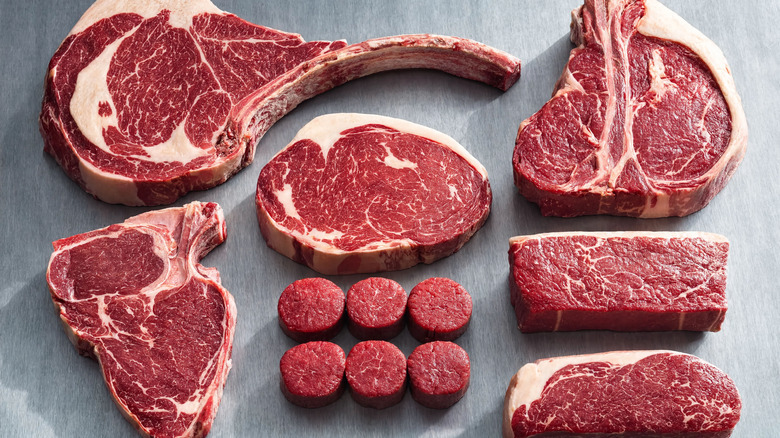
When choosing a steak, most of us assume that the most expensive cut of beef must be the best. Filet mignon can have an eye-watering price tag, but according to the experts we interviewed, this doesn't necessarily mean you should opt for it every time. "While these cuts are popular, flavor and tenderness depend just as much on preparation, seasoning, and cooking technique as they do on the cut itself," says Dagan Lynn.
Rosangela Teodora agrees that there are so many factors that influence the eating experience of a steak, and the cut is only one small piece of the puzzle. "A deep, complex beef flavor depends on many things," she explains. "The cut it came from, breed of the animal, the animal's diet, its maturity, fat development, and how the meat has been handled and aged."
If you're cooking the steak at home, buying a more expensive cut doesn't automatically mean it will taste great. An overcooked filet is a disaster, so Sean Griffin recommends focusing on preparing and cooking it well instead. "My advice for home cooks is to spend according to your budget or the occasion and focus on technique ... Season it properly, control the heat, and let it rest." By focusing on a flavorful piece of meat that is cooked well, rather than worrying about the best cut, there is a high chance of having a delicious piece of meat, regardless of cost.
2. Myth: The most tender steak is the best
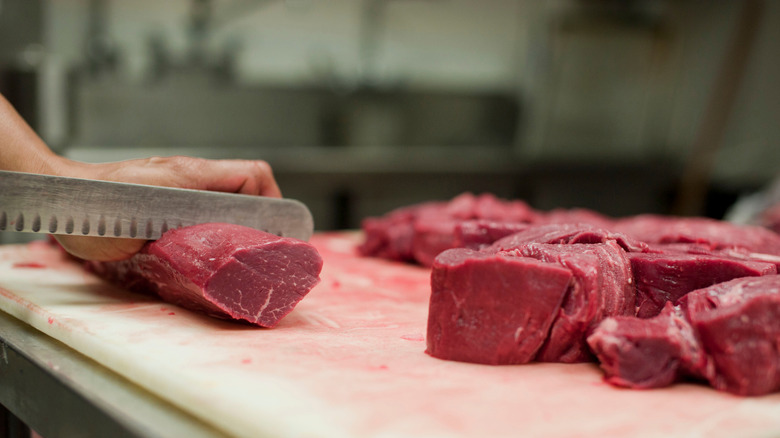
One word that seems to always be associated with a good steak is "tender." It seems logical, then, that purchasing the most tender cut possible should be the main aim, but this is not true. Rosangela Teodora explains that the premium cuts such as filet and New York strip are cut from areas that do little work on the animal, making them the most tender. But the parts that work harder can be packed with flavor, and their relatively cheap price makes them a great option. Matias Mansilla adds, "While premium cuts of beef like ribeye, tenderloin, or filet mignon are incredibly tender, less expensive cuts such as flat iron, hanger steak, or skirt steak often have deeper and more robust flavors."
Sometimes, choosing a lesser-known steak cut can be a great way to experience a deep, beefy flavor without the price tag associated with the more tender cuts. The hangar steak used to be known as the "butcher's cut," as the butcher would try to keep it to themselves, while selling the better-known, tender cuts to their paying customers. Teodora recommends a couple of options that can substitute the more expensive tender pieces of meat, without sacrificing on flavor. "Teres major can be a wonderful substitute for filet mignon, while flat iron is tender, lean, and very flavorful." She also suggests Denver steak as a tasty alternative to New York strip. While a properly cooked tender steak can be delicious, the flavor is often milder, so trying some harder-working cuts for a change can help bring more flavor to your steak dinner.
3. Myth: Medium rare is always the best way to cook a steak
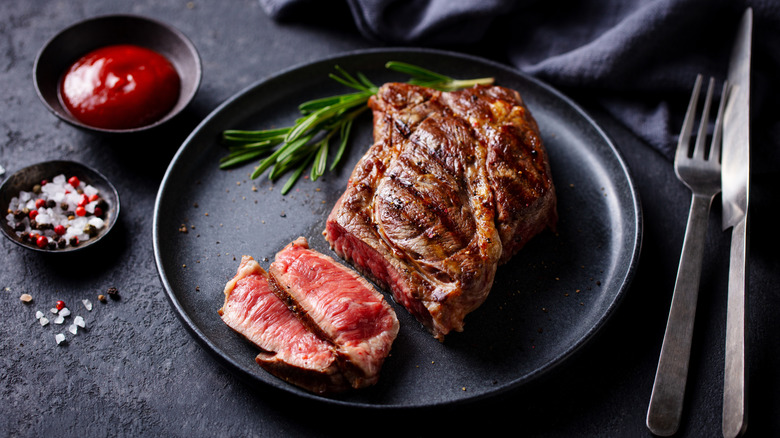
If you order a well-done steak in a restaurant, it is likely to prompt a look of disapproval from the server, or perhaps even your fellow diners. Most steak aficionados believe that medium-rare is the "correct" way to order one, but that is not necessarily the case. What is considered the "perfect cooking level" of the meat depends partly on the fat content and level of marbling, since undercooking can leave certain cuts with a chewy texture. "The biggest (steak) myth in my opinion is that all steaks should be eaten medium rare," says Michael Voltaggio. "I feel certain steaks, like a ribeye, have higher fat content, and I actually prefer eating them closer to medium, rendering more of the fat." The longer a ribeye cooks, the more the prized fat cap has a chance to melt and contribute to its rich texture and delicious flavor.
Lean cuts such as filet and sirloin begin to dry up as they cook, which is why medium-rare is considered the gold standard for these cuts. However, assuming that this is the ultimate cooking level for all steaks can result in a disappointing ribeye, so don't be scared to confidently ask for it to be cooked medium the next time you order this premium steak.
4. Myth: A brighter color means a fresher steak
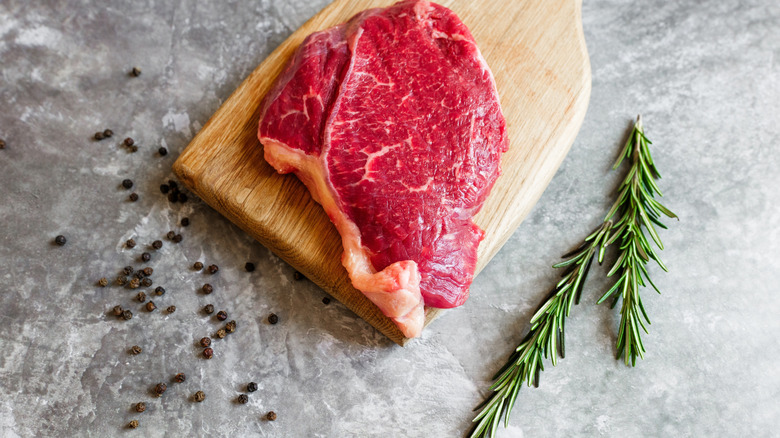
You may have walked the meat section of the grocery store searching for the freshest-looking steak to cook, and assumed that a vibrant red color is the best sign of fresh beef. "Color is one of those things we've been trained to use as a sign of freshness...a bright red steak isn't automatically better or fresher than one that's darker," explains Bryan Voltaggio. The color of beef is related to myoglobin found in the meat, and the bright red color we tend to associate with freshness can appear once vacuum-packed beef is exposed to the air. "The exposure of oxygen may change the color of the steak; however, it will have no impact on its quality or freshness of the steak," says Matias Mansilla.
Instead of focusing solely on color, Sean Griffin recommends considering other qualities of the meat, since marbling can affect the color of the beef too. "For freshness, I pay closer attention to a clean, mild aroma with a firmer, dry texture," he explains, and suggests heading to your local butcher for the best advice. Michael Voltaggio agrees, and recommends avoiding packaged meat altogether and buying direct from the butcher.
5. Myth: You should always marinade your steak
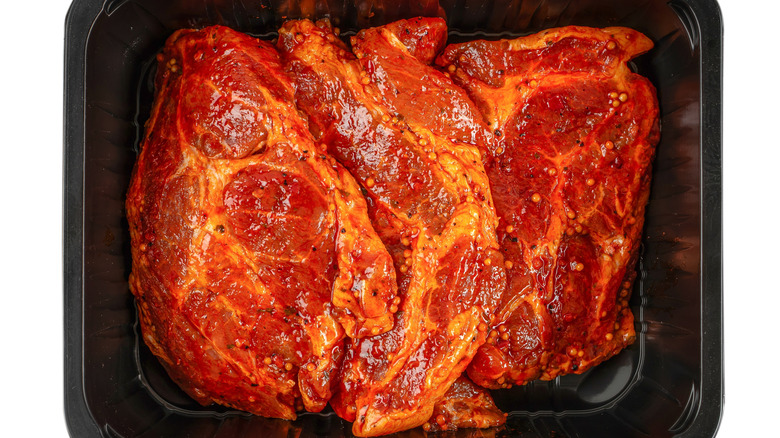
Marinating a steak is a step that is often cited as crucial in developing a tender piece of meat, but it is not always the best option. Before you give your beef an aromatic bath, you should consider whether there are better ways to season that are more suited to that particular steak. "Seasoning should be tailored to the cut," explains Dagan Lynn. "For naturally well-marbled cuts, a dry rub ... can help enhance the beef's natural flavor with ingredients inspired by Mediterranean cooking. This rub works especially well on steaks such as ribeye, porterhouse and strip steak and can be used whether you're grilling or pan-frying." Oregano, rosemary, thyme, and garlic are all flavors that complement beef beautifully, so making up a dry rub containing these ingredients will give the steak a big flavor punch.
Marinades come into play when there is less fat on the meat, as they can impart extra flavor and can also help to tenderize the meat by breaking down the protein. "For leaner steak cuts, an acidic marinade such as carne asada marinade [is a] great option for cuts such as flank steak, skirt steak or flat iron steak, which benefit from marinating before being grilled over high heat," says Lynn. "I recommend marinating your steaks for six to 24 hours before cooking." By combining the right type of pre-cooking seasoning with the appropriate cut, you can get a flavorsome steak with the perfect texture every time.
6. Myth: Grass-fed beef tastes better
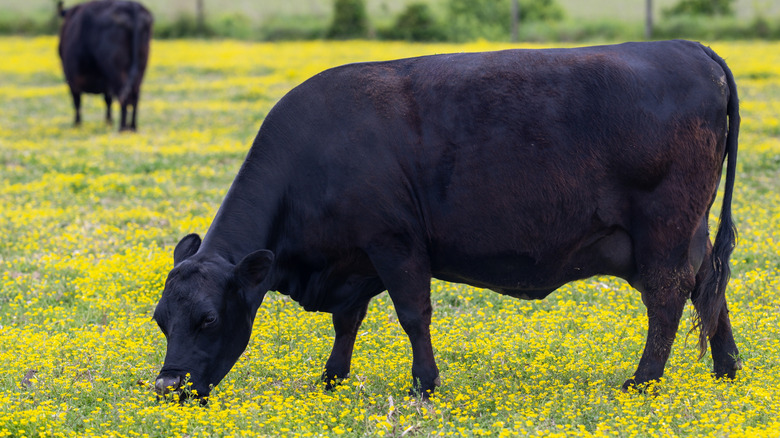
In steak circles, grass-fed meat is often talked about, and many people assume it tastes better than conventionally-reared beef. While the experts confirm that it does have a different flavor, it is not automatically a better option than grain-fed beef when it comes to taste. Dagan Lynn points out that there are many more elements that affect how a steak will taste than only its origin, saying "beef's flavor is influenced by numerous factors, including the cut, seasoning, marinade, and cooking method."
Bryan Voltaggio enjoys both types of meat, but does acknowledge that grass-fed meat has noticeable differences from grain-fed. "Grass-fed beef has a very distinctive flavor, often a little leaner, more mineral and sometimes more pronounced in its "beefiness"," he explains. "Grain-finished beef tends to have more marbling, richness, and sweetness."
The main reason to choose grass-fed beef for many people is the welfare of the animals, who are eating more in line with their natural diet, and the higher quantity of omega-3 fatty acids in grass-fed versus conventional. Rosangela Teodora explains, however, that successfully raising grass-fed cattle involves a lot more than simply changing the animals' diet from grain to grass. "The quality and variety of the grass influence how the animal develops and ultimately affect the flavor and texture of the meat," she insists. "Excellent grass-fed beef depends on careful breed selection, knowledgeable pasture management, steady growth, and allowing the animal enough time to reach proper maturity. The words 'grass-fed' alone do not guarantee a superior steak."
7. Myth: Searing steak seals in the juices
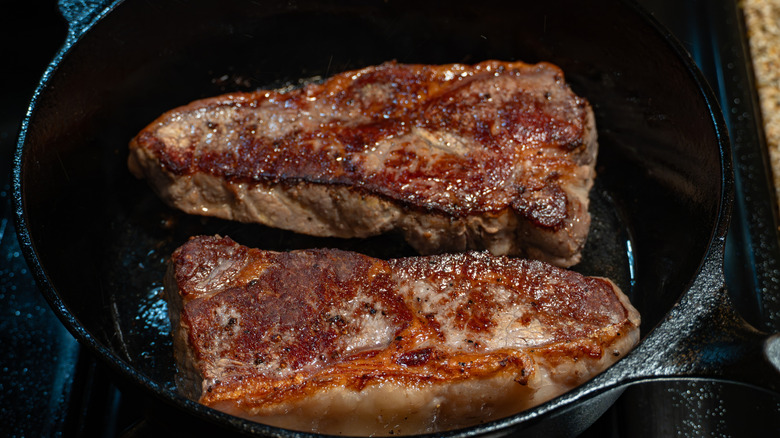
Searing a steak to "seal in the juices" is a step that many home cooks would not miss out on when preparing their favorite cut of beef, but according to the experts, that's not what's happening at all. "The biggest myth surrounding steak is that searing meat over intense heat locks in the juices," says Matias Mansilla. "This method does not create or retain moisture. Cooking meat at high heat actually drives out the moisture."
If this information has you questioning every steak you've ever cooked, Sean Griffin reassures us that searing a steak at a high temperature can have its benefits, even if keeping the meat juicy isn't one of them. "A hard sear or grill helps build flavor through caramelization and gives the steak that beautiful crust and texture, but it doesn't create a barrier that traps moisture inside," he explains. Instead, the quality of meat and the time the steak is allowed to rest afterward are the main factors that affect a juicy steak. Steak should rest for at least five minutes, often longer, to let the fibers of the meat loosen up and reabsorb the crucial juice before you go near it with a knife.
Griffin suggests that searing the meat at the end of the cook, rather than the beginning, is a great way to get the best results. Reverse searing is a great example where the protein is gently cooked almost entirely before a quick high-heat sear to develop the crust and deepen flavor.
8. Myth: You shouldn't salt a steak before cooking
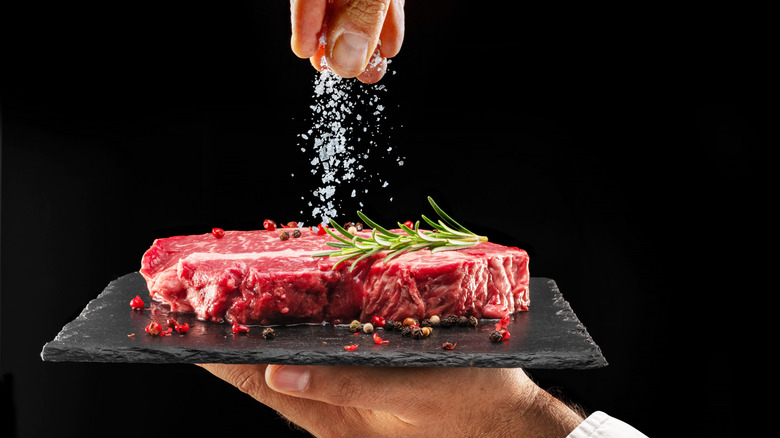
Not salting steak before cooking is advice that most home cooks have heard, believing that it draws out the moisture and will result in a dry piece of meat. It seems, however, that this is a myth, with all of the experts we spoke to recommending seasoning steak with salt before it hits the pan. "Salt is probably the most important seasoning for a steak," says Bryan Voltaggio. "A thick steak can take more salt than most people think." While salting it straight before cooking is fine, Rosangela Teodora recommends doing so in advance to ensure the meat is properly seasoned. "Ideally, salt it at least 40 minutes ahead, or even the day before, and leave it uncovered in the refrigerator," she recommends. She does, however, warn against salting and leaving for only 10 minutes if time is short, as the salt can "draw the moisture to the surface of the meat, without giving it enough time to be absorbed again." Instead, salt immediately before cooking if you don't have time to leave it in the fridge for long enough.
Michael Voltaggio believes that the timing of seasoning is important. "I prefer to salt prior and pepper after," he suggests. "Unless you are specifically going for a pepper crust or a rub, I prefer to grind fresh pepper on after so it's more fragrant." If you have a good quality steak that is cooked well, simple seasoning should be enough to enhance the flavor.
9. Myth: The touch test gives you a reliable idea of how well the steak is cooked
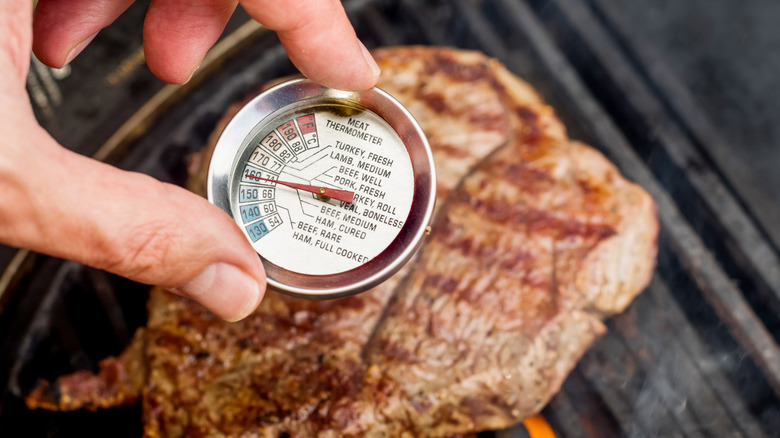
If you watch cooking shows, you will have seen celebrity chefs talk about how to tell a steak is done by how firm it feels. Gordon Ramsay taught amateur chefs on his show "The F-Word" how to use their face to determine the doneness of the meat, comparing a rare steak to the cheek, medium to the chin, and well done to the forehead. While this may be an easy comparison for a very experienced celebrity chef to make, Michael Voltaggio thinks home cooks should favor a more practical measurement. "Meat thermometers are cool, the touch test is a good party trick but precision is way cooler."
The fundamental issue with testing steak by touch is that not all steaks are going to react in the same way at a certain doneness, as the cut and thickness of the meat will have an impact. And by the same token, everyone's cheek, chin, and forehead will react differently too! Voltaggio's suggestion of a meat thermometer (like this one) is the only accurate way to test the doneness of the steak, and prevent it from overcooking. As a guide for steak temperatures, rare steak should be removed from the heat at around 118 degrees Fahrenheit; medium rare should be approximately 125 degrees F. For medium steak, aim for 136 degrees F to stop cooking, and for completely well done, remove at 154 degrees F to ensure it doesn't end up dry and chewy. A meat thermometer will not only allow you to have the perfectly cooked steak, it also gives you a good excuse to add another fancy kitchen gadget to your collection.