

Called 'Dinosaur Egg,' The Rarest Salt On Earth Gives Dishes A Smoky Finish
Specialty food traditions are inextricably linked with particular cultures of the world, from Italian pizza making and truffle hunting to Singapore street food to Mexican cuisine. The United Nations Educational, Scientific, and Cultural Organization, also known as UNESCO, protects each of these specific historic culinary practices. Now, a new culinary art has been added to that list for safekeeping: the process of making Asin Tibuok, the artisanal sea salt of Bohol Island in the Philippines.
Asin Tibuok, which means unbroken salt, has been made by indigenous Filipinos on Bohol Island since the 1600s, but the artistry of this labor-intensive process has been dying out over the years. The process culminates in what looks like a white egg inside a brown shell, hence the dinosaur egg name. It involves collecting coconut husks, which are soaked in seawater over a long period of time, and then dried, burned, and combined with seawater to make a brine. This brine gets boiled in clay pots until salt forms, then it is cooled and collected.
The taste and look of dino salt
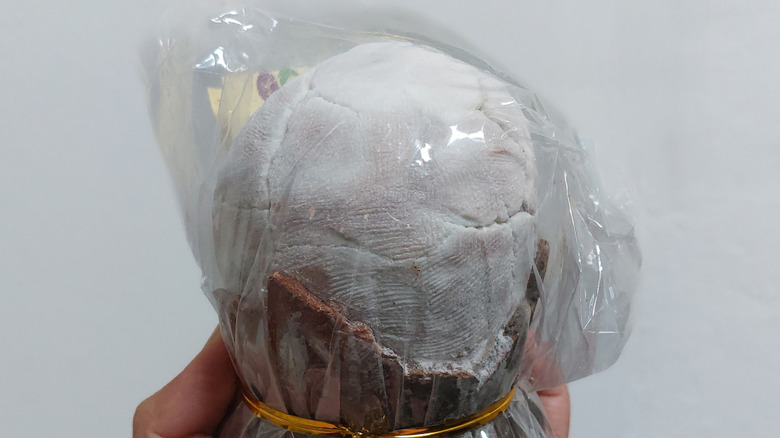
Refined and pure, dinosaur egg salt has a mild, smoky, and even fruity flavor. Its lengthy handmade and time-intensive production process make it a prized commodity and ideal for finishing a dish. And, like other salts, it can enhance flavors in all foods from savory to sweet.
Though locally it might lend a smoky touch to foods like kinilaw, a Filipino-style ceviche, or the savory tamarind broth of sinigang soup, it could add a depth of flavor to just about any dish you sprinkle it on. While experts recommend keeping some lesser known salts on hand like blackthorn or colored salts to finish dishes, Asin Tibuok is only produced by a few salt-making families, as it has been for centuries, and isn't commercially available to that extent.
For salt aficionados and culinary treasure seekers, its unique shape and flavor would certainly be a conversation starter. Just talking about its legacy as a tradition in need of safekeeping furthers UNESCO's goal of protecting this gem of Filipino cultural heritage. While you can buy dinosaur salt through an online specialty retailer, it is spendy since it is one of the rarest salts in the world, so you might just have to imagine its unique smoky and salty tang.