

The Iron-Rich, Powerhouse Ingredient That Once Was The Most Popular Sweetener In America
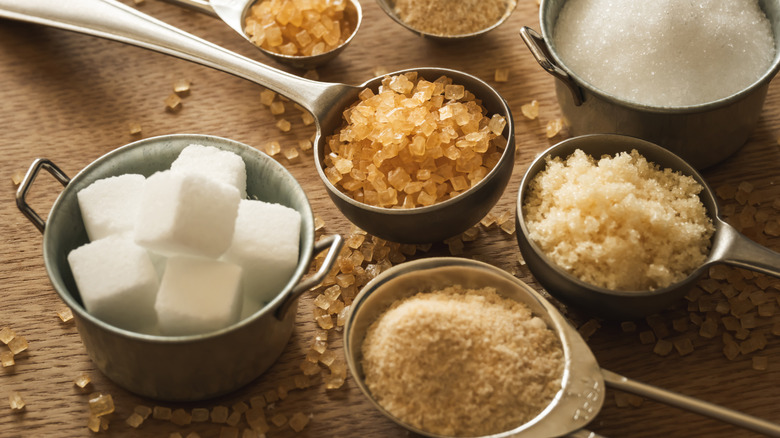
A number of ingredients are crucial when baking, such as flour or baking soda, but one people don't give enough thought to is sweetener. Whether you're using granulated white sugar, brown sugar, or cane sugar, the type of sweetener you use in cooking and baking can affect more than just the flavor. It also impacts the texture, moisture, browning, and spread. While white sugar is most commonly used when it comes to modern baked goods, there was a time when a different sweetener was the No. 1 choice in American households. Molasses, with its rich, thick consistency and notable mineral content, was a staple for delectable desserts back in the day.
Molasses is a dark, syrupy sweetener that comes from boiling sugarcane juice. It has various levels of sweetness and flavor, depending on how many times it's boiled; the more boiling sessions, the darker and more bitter it becomes. Molasses dates back to ancient India and reached Europe by the Middle Ages. From there, it made its way to the American colonies, where it was the most popular sweetener until the late 1800s when refined white sugar became more accessible. But molasses remains a beloved ingredient, especially in Southern cooking, providing, depending on the type, meaningful amounts of calcium, potassium, and iron. It's often forgotten by cooks, but this liquid sweetener has much to offer in terms of flavor. Whether you're using it in your baked goods or even to balance out the heat in a savory recipe like chili, molasses can add depth and complexity to your cooking.
How to use molasses in your recipes
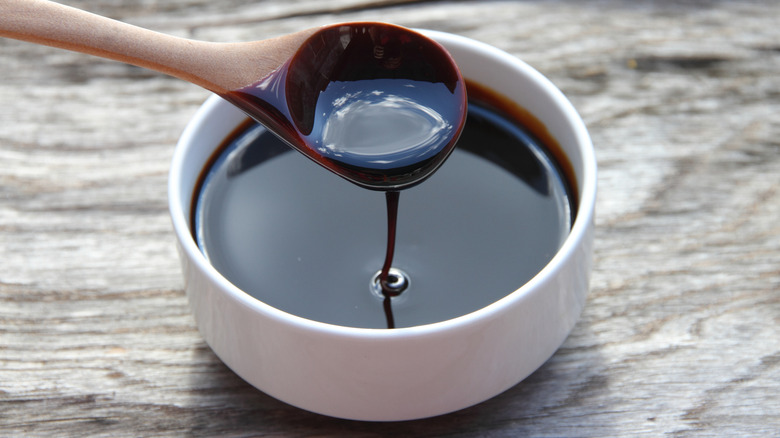
In baking, swapping white sugar for molasses isn't a simple one-to-one substitution. Modern recipes are typically built around granulated sugar, and substituting it for a liquid sweetener changes a recipe's moisture and balance. You can use recipes specifically formulated for molasses, or incorporate it alongside sugar to give you that rich, warm flavor without throwing off the dish's balance.
There are three main types of molasses, and the kind you use in your recipe is crucial. Light molasses offers the sweetest taste; dark molasses is a middle ground of sweet and bitter; and blackstrap molasses is the most bitter. Blackstrap molasses is also a great source of iron, containing about 4.9 milligrams of plant-based iron in 2 tablespoons. Light molasses is best for adding a deep, warm sweetness to your desserts, and it even works as a quick fix to keep cookies from getting too cakey. When baking, blackstrap molasses isn't the bast choice when you're looking for a traditional sweet flavor, though it can be used in small amounts in your desserts. Blackstrap molasses works well in many savory dishes, from baked beans to barbecue sauce, to add a subtly sweet and complex flavor.
Even if you're not ready for an all-molasses recipe, it's still a fantastic flavor to add to baked goods or hearty meals, especially during the colder months. For example, it gives Laura Ingalls Wilder's Little House on the Prairie cookies their signature flavor. We'll be sure to keep our pantries stocked with molasses from now on.