

What's The Average Shelf Life Of A Tea Bag?
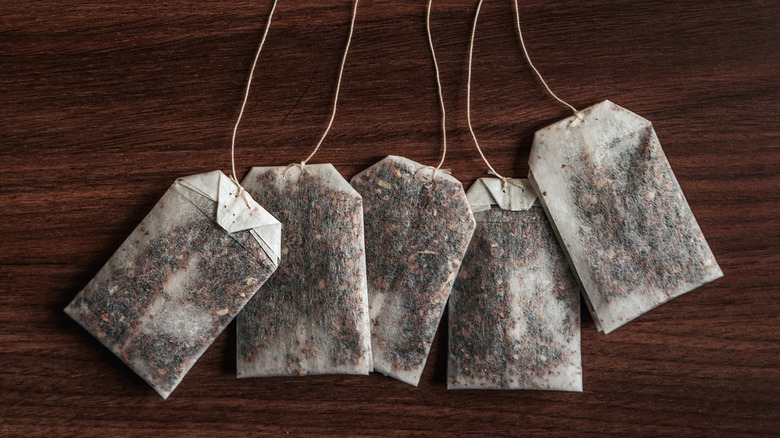
If you've ever left a box of tea bags in your cupboards for months on end, you've probably realized that they aren't like milk or bread, and generally don't spoil very easily. They're dried and shelf-stable, and the main issue you'll have with tea bags that are kept on your shelf for too long is generally more about flavor than safety.
When stored properly (more on what that means in a moment), most tea bags will generally retain their quality for 18 to 24 months. Check the "best by" or "best before" date on the box, too, just in case the tea bags were on the store shelf for a long time — this is really more about the manufacturer's estimate for how long the tea bags will retain a good level of freshness rather than a date after which they won't be safe. In any case, know that many expiration dates are ambiguous on a lot of non-perishable products.
Once you've opened the box and taken out the first tea bag, the clock starts ticking, though: An opened box of tea bags may not stay at peak flavor so long (some manufacturers suggest around six months), since they'll be more exposed to air, light, and moisture. So, if you're buying big boxes of tea bags, this means it's worth considering how fast you'll actually work through them once you open the box.
Some pointers on storage
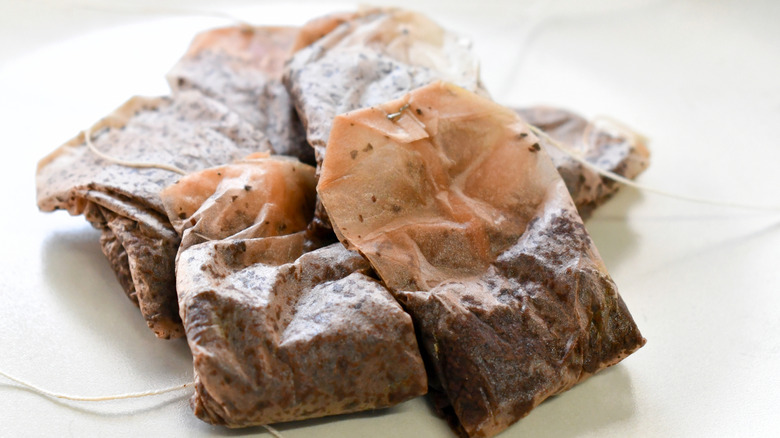
Heat, light, air, and moisture are the four things working against your tea bags, and can make it more likely that your teabags go stale or even develop mold. Moisture and heat are arguably the biggest concerns here, as they can enable mold growth. That's why the cardboard box that tea usually comes in isn't actually the best long-term home for it, since it doesn't seal tightly.
Instead, consider moving them into an airtight container. The best storage tips for tea bags are to keep them in a cool, dark, and dry place, for example, away from stoves, dishwashers, or sunlight. An opaque container would also be smart for keeping light out, especially if you can't store the tea in a dark location. Don't keep them in the refrigerator, though, as the moisture level is relatively high, plus your tea bags could absorb the smell of other food around them. (There are some unique exceptions to this, like certain teas made with finicky citrus oils that keep better in the fridge. In these cases, the manufacturer will note on the packaging that the tea can be refrigerated. Assume as a default that the vast majority of tea shouldn't be kept in the fridge.)
Obviously, if you see mold on tea bags, throw them away; the same goes for if there's a musty smell emanating from them. Excluding these problems, if you use an old tea bag, chances are a slightly stale cup of tea will be your biggest worry, rather than any kind of health risk.