

This Vegetable Was Once Referred To As The 'Mad Apple' In The Renaissance — Here's Why
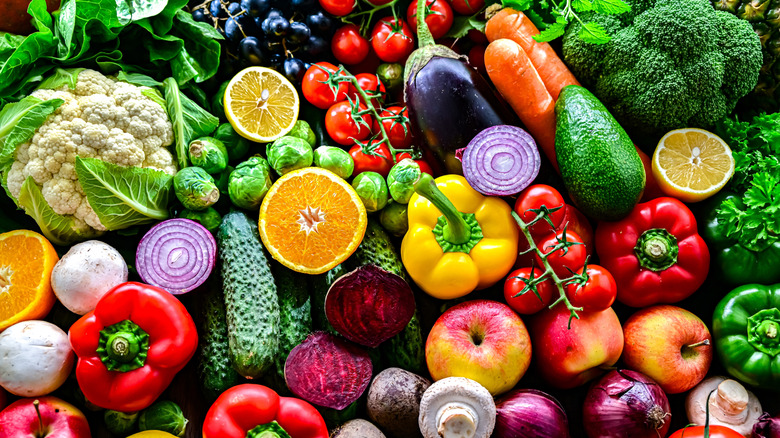
Food history can get pretty interesting, especially when that history spans centuries and continents. One particular veggie, which originated in South Asia and East Asia centuries ago and has become a versatile superfood, once had an unfortunate moniker that didn't do a great job of doing it justice. During the Renaissance, Europeans referred to eggplant as "mala insana." Directly translated, that means "mad apple." That doesn't exactly sound like something you'd want to heap onto your plate for your next meal. Although people in European countries like Italy enjoyed many delicious foods during the Renaissance, like breads, roasted meats, and stuffed pastas, eggplant was most likely left off the menu. In those days, it was believed that eggplants were not just bad for you, but dangerous to eat because they would cause insanity.
This vegetable (which is actually a fruit, although it's treated as a veggie in culinary spaces) got its unfortunate reputation from its family history. The eggplant is a member of the nightshade (or Solanaceae) family, which includes edible plants like tomatoes, potatoes, and peppers, as well as inedible plants like datura and belladonna. These plants all contain glycoalkaloids, compounds that can cause symptoms like gastrointestinal distress, nausea, headaches, and confusion. The edible members of the family contain minimal amounts of glycoalkaloids, making them safe for most people to eat. Yet the people of the Renaissance clearly weren't aware of the difference. Luckily, the truth eventually got out, and today eggplant is celebrated for its flavor, nutritional value, and incredible versatility in recipes.
Eggplant still has a way to go to win some people over
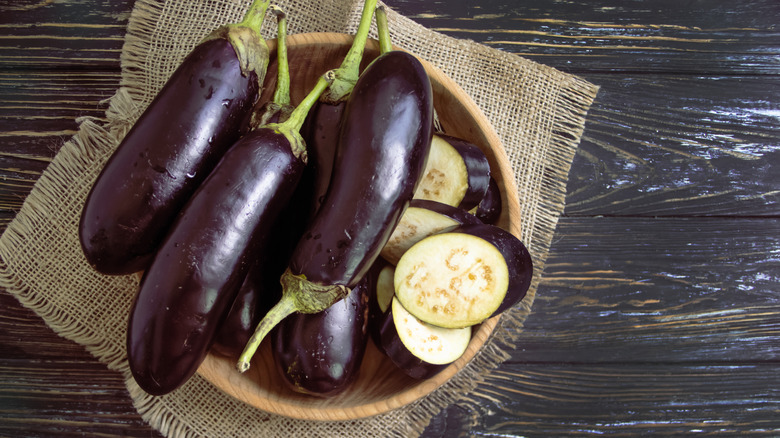
Eggplant shows up in cuisines from around the world, but that doesn't mean everyone is a fan, even though we've gotten past the notion that it will cause insanity. It's actually quite a polarizing vegetable. For some people, it's the flavor (it can be bitter), and others simply dislike the texture. The bitterness, which is actually the plant's natural defense mechanism, is mostly concentrated in the seeds and the skin. Older, larger eggplants tend to be more bitter, as do certain varieties, like American eggplants and Thai eggplants. Others, like Italian eggplants and Japanese eggplants, lean more toward the sweeter side. Either way, to ensure minimal bitterness, select smaller rather than bigger eggplants and use them when they're still very fresh. Remove both the seeds and skin, and — if you want to be extra safe — salt them and allow them to drain for up to an hour; then rinse and dry.
You can achieve perfect eggplant texture, which is slightly firm and spongy, if you know how to cook it and understand the way the vegetable responds to oil. Because it is so porous, eggplant will absorb any oil you use, so too much will give you a soggy, unappealing dish that no one will want to eat. If you're frying it, a breadcrumb coating can help keep it more crisp.
Thankfully, like its nightshade cousin the tomato, eggplant persevered and shed its negative Renaissance reputation to become a beloved part of many of the world's cuisines today. From eggplant Parmesan to baba ganoush, our stomachs and our taste buds are grateful.