

5 Traditional Italian Dishes People Enjoyed During The Renaissance
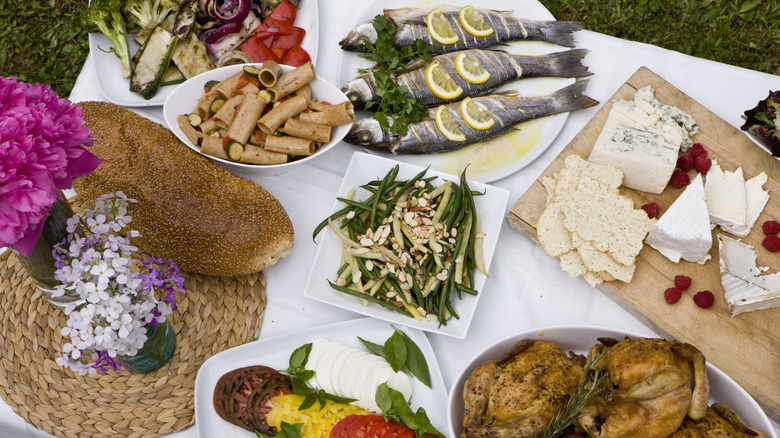
The Italian Renaissance was a time of political upheaval and cultural revolution. It's also known for innovative dishes and new culinary advancements. Many traditional meals of the Renaissance resulted from new access to previously exclusive goods. However, many citizens were still unable to access certain ingredients. This was due to lesser financial status, legal restriction, and cultural expectations.
Average citizens could not afford certain foods. Restrictive laws prevented various members of society from hunting, thus affecting the types of food they'd be able to prepare and eat in their homes. Specific types of meat were relegated to the elite, such as fowl and other flying birds, compared to pigs and chicken, which were more accessible. This dichotomy came from the notion that the closer an animal was to the earth, the less appropriate it was for the nobility to consume. Concurrently, society understood sugar and spice to be a direct reflection of status. The elite used these components liberally across recipes.
Meanwhile, most citizens enjoyed bread, regardless of status or financial prowess. This staple food was common across meals. The aristocracy relegated peasants to eat multigrain, while white bread was primarily reserved for the upper echelon of society. Citizens consumed wine indiscriminately throughout the day, although this was often a much weaker version mixed with water compared to what we drink now. Cooks made traditional dishes with whatever was readily available. Many dishes that originated from the Italian Renaissance translate into common meals we enjoy today, though they often take varied forms and processes or contain different ingredients.
Stuffed pastas
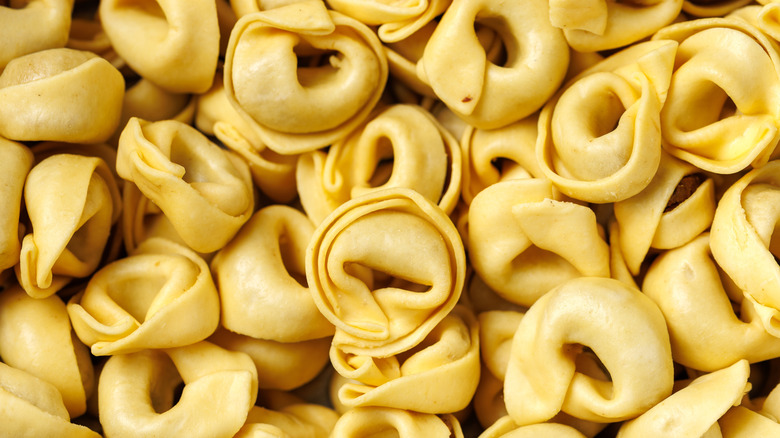
Stuffed pastas were a common dish throughout the Italian Renaissance period. Tortellini is one common variation of this dish, which is made by combining thin sheets of a basic egg-and-flour dough and a filling of choice placed intermittently in a grid. Next, it's covered in another sheet of dough, sliced into individual squares, and folded to create simple, circular, crown-like shapes.
Fillings were reflective of ingredient access and often featured various combinations of meats, cheeses, and vegetables. Common meats included prosciutto, ground pork, chicken, and sometimes mortadella. Vegetarian variations utilized soft cheeses, such as ricotta. Meanwhile, vegetables, such as spinach, were also commonly incorporated, alongside spices such as nutmeg. All of these are still commonly enjoyed today. The time required to make this dish lent itself to wealth and status. Nowadays, tortellini is available premade at most grocery stores, meaning a warm, cozy Italian soup is just three ingredients away.
It's worth noting that fresh pasta dishes didn't end at tortellini. A wide range of homemade pastas were enjoyed at the time. Agnolotti, for example, generally originated in northwest Italy in the Piedmont region. These are square in shape and filled with roasted meat. Other stuffed pastas included mezzelune, which are lunar-shaped; fagottini, which features filling enclosed in a square shape; and anolini, which are circular.
Roasted meats
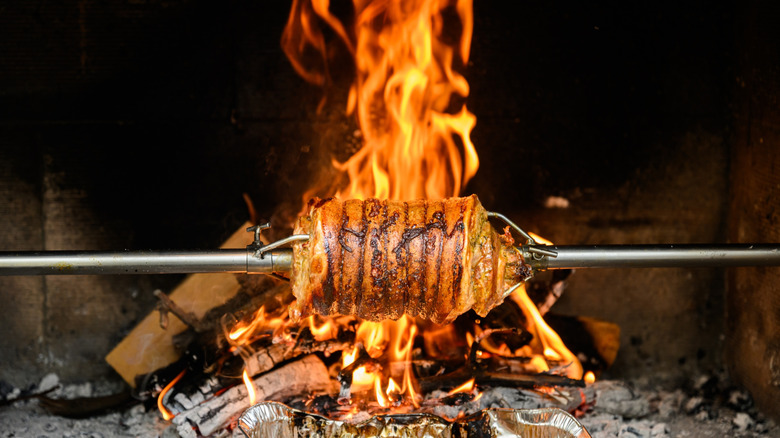
Italian Renaissance-era society handled raw meat differently compared to today. Generally, citizens consumed meats either as fresh as possible or after being salted and preserved. Various animal products were also commonly stewed and roasted. This, of course, depended on the other dishes they'd later be incorporated into. The roasting process took place after cleaning and seasoning the meat. It would often be cooked over an open flame on a spit roast.
Roasted meats were a meal all members of society could enjoy. Though certain meats were reserved for the rich and notable, chicken, beef, goat, and boar were commonly roasted. Each was combined with myriad ingredients: orange juice, verjuice (green juice made from underripe grapes, crab apples, or sometimes sour plums), rosewater, and spices were all used to season meats. Pork was commonly paired with mustard, for example, or a similarly tart sauce.
As time went on, turkey became much more common (after replacing peacocks). It was eaten regardless of social status and prepared whole. This occurred once the animal was brought to Europe from North America. Most home chefs could not prep turkey the way it was handled during the Italian Renaissance; they would hand-pluck and string the bird up for at least a few days before boiling it whole. That said, similar herbs and spices can be used to emulate flavors that would've been enjoyed at the time.
Thickened soups
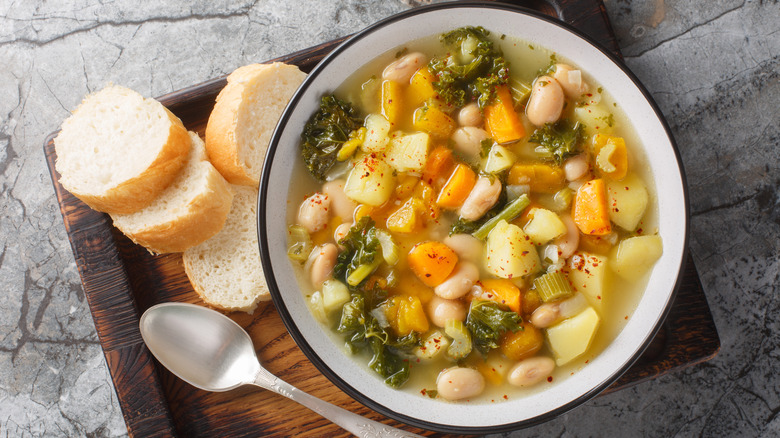
Soups were commonly enjoyed during the Italian Renaissance. Many utilized thickening agents for more robust flavor and texture. Various recipes from this era emulate dishes of today (albeit prepared differently). Ingredient contents ranged depending on region of Italy and general access, but one could anticipate the use of citrus, game meats, and root vegetables. These ingredients were often combined with other animal products, such as dairy and eggs.
Carabaccia, a red onion soup, is one of many distinct soups that originated in Tuscany. Its roots stretch back to the Renaissance, though it could've appeared earlier and been left undocumented. This meal made use of sugar to balance its savory, vegetal contents and was served with bread lining the bottom of the bowl (as opposed to on the side or on top). The original recipe was thickened by ground almonds and cinnamon.
Saffron broth was another common soup comprised of blended egg yolks, verjuice, saffron, chicken broth, and seasonings such as cinnamon. There's also zanzarelli, which included cheese and breadcrumbs in addition to eggs and saffron. These soups were quite rich, considered another nod to luxury, and were crafted to be as visually appealing as they were delicious. Garmugia was another common dish often enjoyed by wealthy, high-status citizens. It originates out of Lucca in Tuscany and often included fava beans, asparagus, and artichokes in a rich broth. If you plan to make this soup yourself, skip blanching your fava beans and pop them in the freezer first.
Biancomangiare
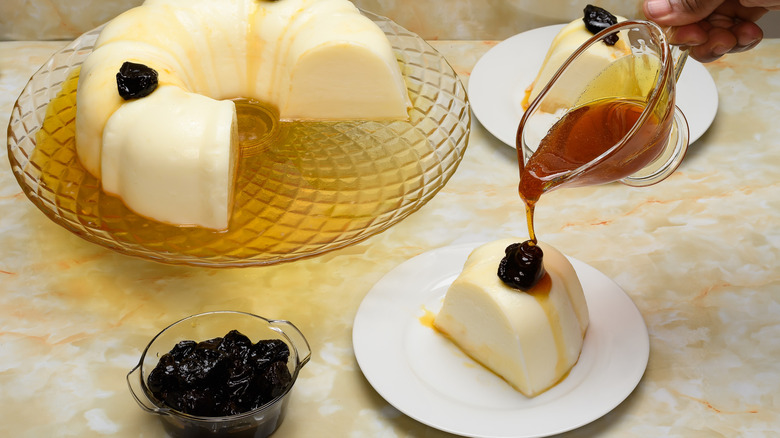
Biancomangiare, also known as blancmange in French, is a cooked dessert with a distinct white color. It's made with milk (oftentimes bitter almond milk) and firmed up with starch. Ultimately, this dish shares a similar textural quality to that of a thick, stabilized pudding or panna cotta.
This dish was originally a savory creation. Early recipes featured the use of shredded chicken. This ingredient was firstly poached in milk and then flavored with rose water, saffron, and cinnamon. It's speculated that during the early 1600s, this dish switched from savory to sweet and began being often garnished with cinnamon powder and almonds for textural nuance and aesthetic purposes. Other versions of this dish incorporate ingredients such as lemon zest and brandy. It was usually served set in a bowl or formed into intricate shapes by using molds.
Gelatin was not readily available in sheets or convenient mixable packets like we have today. Therefore, chefs during the Italian Renaissance derived gelatin from animal bones (often calves' or pigs' feet) to provide shape and texture to the Biancomangiare. While this dish originated in Italy during the Renaissance period, some suggest it could have been influenced by Middle Eastern cuisine due to its use of rice/rice flour and other commonly incorporated spices.
Frittelle
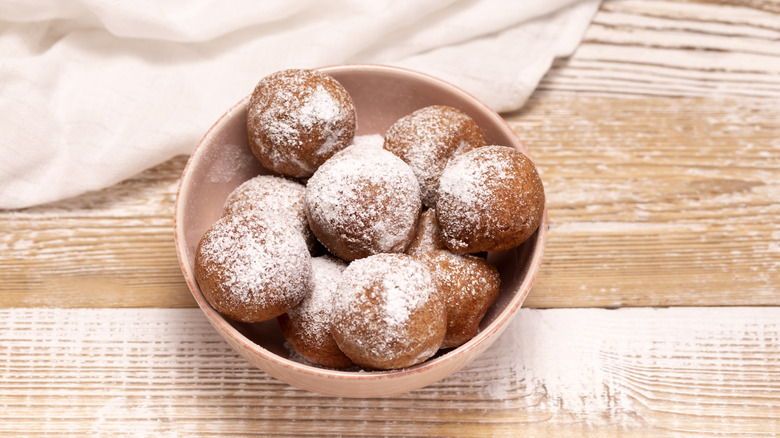
While the name may be new to you, it's more than likely you've had some version of Frittelle before; this simple Italian fried dough emulates a classic donut hole. Frittelle are similar to zeppole, one of 20 classic desserts you can find in Italy today. This sweet treat was enjoyed across Italy on various occasions and holidays and began picking up popularity during the Italian Renaissance, though they're speculated to have roots all the way back to the 14th century. That said, it wasn't until the 1700s that they gained status as an official national treat.
These simple Italian doughnuts were often infused with era-specific flavors and ingredients. Orange zest, raisins, sugar, and ground almonds were all common components. The dough was deep fried to create a crunchy surface layer while the internal dough transformed into a cake-like consistency. Frittelle are often dusted with powdered sugar for a distinct touch of sweetness.
Original recipes made use of heavier ingredients than the donut holes we enjoy today. Chefs often utilized lard to deep fry the donuts as an alternative to oil. The dough was also commonly made with goat's milk and saffron. Other recipes called for ingredients such as pine nuts, which were incorporated into the flour, egg, and sugar base. This treat was often sold by street vendors, who were referred to as fritoleri.