

Here's The Average Lifespan Of A Gas Stove
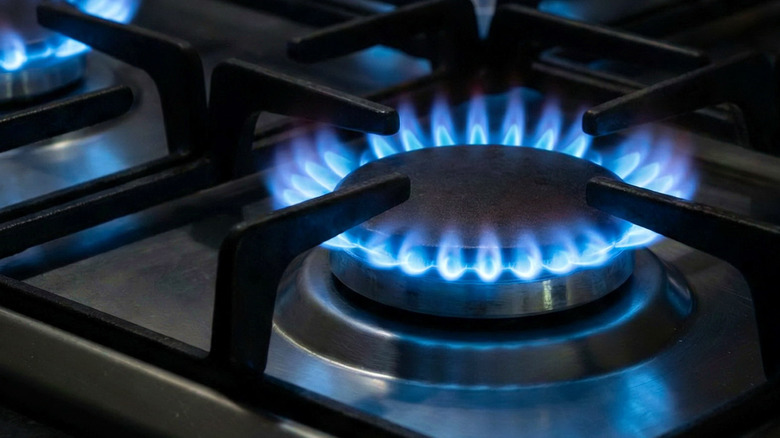
There are plenty of reasons many home cooks prefer gas stoves. For starters, they heat up quickly and provide more even cooking. Another advantage is that they deliver great temperature control by allowing you to adjust the flame. (That is, of course, as long as you avoid most mistakes everyone makes when cooking on a gas stove.) They're inexpensive to maintain, super convenient, and on top of that, they typically won't let you down during power outages. However, like any household appliance, gas stoves don't last forever.
Most gas stoves usually have an average lifespan of between 13 and 15 years. Though more expensive upfront, gas stoves can be up to 30% cheaper to run and often outlast electric models by as much as five years. Still, how long your gas stove will last largely depends on a couple of factors, including the brand, model, and everyday use. Premium gas stoves typically last longer than budget models and often come with more comprehensive warranties.
With that in mind, how well you maintain your gas stove can also affect its durability. Proper care can actually keep it working flawlessly for up to 20 years. But what does it take to keep a gas stove in top condition?
Extending your gas stove's lifespan
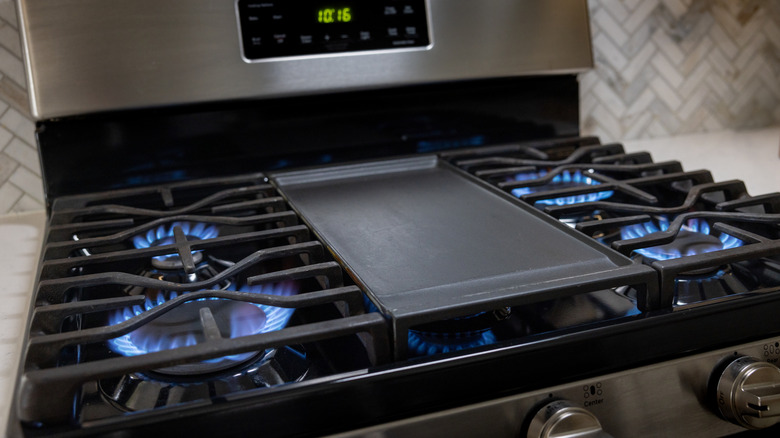
The first step to proper maintenance is wiping down your gas stove after each use. Beyond that, a monthly deep clean of the grates and burners can actually help keep it in great shape, and a non-abrasive scrubbing pad and mild detergent are all you need. To clean and care for your gas stove grates, you can try soaking them in a bowl of hot, soapy water to loosen the stubborn grime, along with the burner caps. After 20 minutes, rinse the grates and caps, let them dry completely, and clean the burner base. For heavy buildup, apply a baking soda and water mix. Of course, you can always try to prevent the problem from getting too serious beforehand by steam cleaning your appliance weekly to keep dirt from building up (it's one of our favorite oven cleaning hacks).
But cleaning alone doesn't guarantee a longer lifespan. Heavy daily use can put extra wear on the stove's components. Uneven heating, ignition problems, and excessive fumes or smoke are just a few signs it's time to consider replacement parts. That said, if you've replaced multiple components of your appliance already and seem to always be on the phone calling a repairperson, it may be time for a new stove — especially if your unit is at or approaching the end of its typical lifespan. Long before that day, though, scheduling a service check once a year can help extend its usage, while keeping the gas line in good condition helps maintain energy efficiency throughout the 13 to 15 years your gas stove serves you.