

Boomers Will Remember This Best-Selling '80s Beer That's Known For Its Creamy Finish

In 1978, Genesee Cream Ale (regionally referred to as "Genny") was the best-selling American ale, and it held that title until 1984. That's why many baby boomers probably still remember this beer and its unique finish. This is where we'd share some numbers to back up that claim, but as Genesee's historian Paul Constantine told Hop Culture, those figures aren't available: "We don't have a ton of numbers from production back then," Constantine said, "but as far as we can tell, those were the glory days."
The foundations for that success were laid decades earlier. The Genesee Brewing Company began in 1878 in Rochester, New York, but in 1960, it developed a beer that delivered the light, clean taste and golden color of a lager with a touch of the sweetness and creaminess of an ale: Genesee Cream Ale. And best of all, Genesee Cream Ale was affordable enough for drinkers to stock their fridges with it. The beer quickly found success in its home city of Rochester, New York. From there, its popularity grew, especially in New York, Pennsylvania, and Ohio. (Even today, those are the states that buy the most Gennys.)
As the major breweries like Anheuser-Busch focused on lagers to take hold of the beer market and craft breweries focused on hops and bitterness, the popularity of cream ales dwindled. Today, Genesee is mostly regional, though it is distributed across the United States. Even though it comes in at the middle of the pack in our ranking of cheap beer, there are still many devoted drinkers of Genesee Cream Ale who consider it the best of the best in its price tier.
How is cream ale different?
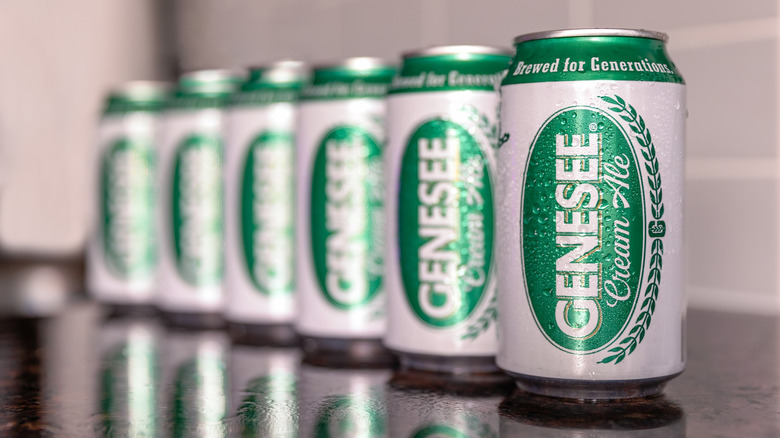
Before we explain what makes Genesee Cream Ale different from other beers, let's get one thing clear: there is no cream in a cream ale. The name is a reference to its creamy mouthfeel. The confusion is understandable, much like how some people believe single malt whisky must come from a single barrel. Also, while Genesee has become the model brewery of cream ale, it didn't invent it. Cream ales date back to the 1800s, when American brewers wanted to compete with the German-style lagers popular at the time by lightening the body of traditional British ales using corn or rice in the brewing process.
Genesee Cream Ale begins with English ale yeast. The ale is then cold fermented and most likely cold-filtered (like the majority of commercial lagers) to get the golden, clear look of one. The extra bit of sweetness compared to lagers comes from the corn in Genesee's closely guarded recipe. The result is a great mix that has more body and sweetness than a lager but still drinks easy. Because of its fuller body and added sweetness, it even pairs well with a few desserts.
These days, you have people who want easy-drinking, crisp lagers. Others want craft beers that are heavy on the hops, like IPAs, or which offer bold, complex flavors like stouts. Yet another group seeks out regionality during travel or just wants something unique when selecting a beer. Cream ales — Genesee's, in particular — check a box for everyone: They're easy-drinking but bolder than lagers, and they're highly regional. And if you go for a clean and creamy Genny, you get all that without paying a premium for it.