

New To Cooking? Use This Helpful Timing Tip To Guide Your Meals
We may receive a commission on purchases made from links.
For newbies, cooking is a daunting task, whether it's for your family or just for yourself. You pull up a recipe that promises you'll be eating in 30 minutes, but an hour later you're stressed out over looking for a spatula and wondering if your food is burning. If you're new to cooking, the best thing you can do to lower your stress is create a "beginner buffer" to give you the time you need to learn to cook. To do that, just double the time you see in the recipe's headnotes. For example, if it's a 30-minute recipe, set aside an hour for it. You'll save yourself lots of frustration while you're learning, and over time, you'll get closer to the printed time.
There are several reasons beginners often need this buffer. The cooks writing or developing a recipe usually have some cooking experience and have prepared this meal several times before sharing it with the public. Their kitchen layout is second nature to them, and they have a muscle memory for where utensils, pans, small appliances, and other tools are stored. They prep the tools needed and all the ingredients ahead of time. Then, there are the finer points of cooking. These include things like understanding heat and thinking a few steps ahead. Those come with experience, so a beginner buffer helps you avoid getting too hung up on it and focus on the things you can control.
How to shrink your beginner buffer
Now that you're cooking without the pressure of keeping up with the pros, it's time to look at ways to help you get closer to the listed time while gaining experience. One of the most important tips for cutting down cooking time is reading the recipe fully and carefully to ensure you have all the ingredients and tools and understand the steps. You don't want to have a steak on the fire only to realize you were supposed to premix a sauce.
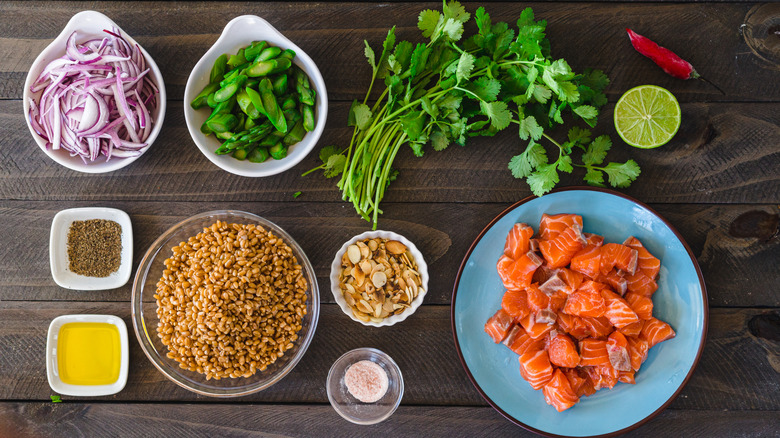
But you're not ready to start cooking when you finish reading. Instead, walk into your kitchen to prepare. You want to start with a clean cooking space, then grab the cookware, prep bowls, and utensils needed. Next, grab all your ingredients and measure and prep them according to the recipe's instructions before you start anything else. You can keep them handy in individual bowls or piles — what's known as mise en place ("everything in its place").
Slicing and chopping vegetables takes time, and it's not a job you want to rush through when you don't have a lot of experience with kitchen knives. This is where additional kitchen tools like an eight-blade vegetable chopper/slicer (available on Amazon) can help you cut down on time without accidentally cutting a finger. If you want to save even more time, skip this step altogether and buy chopped veggies at the grocery store. (Personally, I still prefer shredded cheese rather than having to clean the shredder.)
Learn to clean as you go
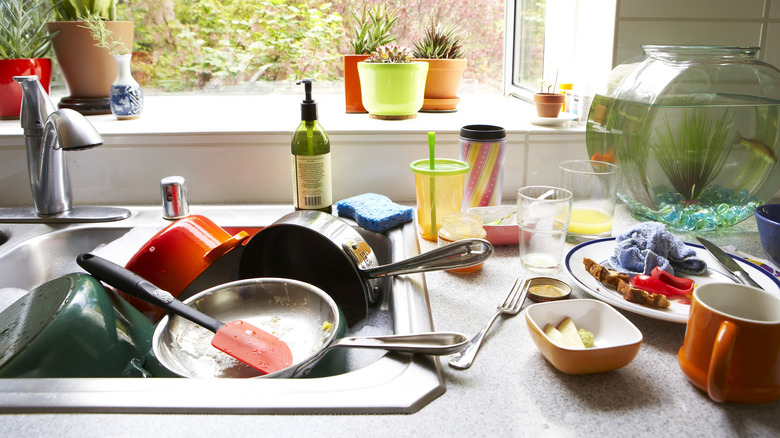
Rather than piling dirty pots, pans, and utensils in the sink, clean your cooking area and tools as you go. Washing pans is easier right after use than it is if you wait for residue to thicken and stick. Wash bowls that held prepped ingredients after you use them, and wipe down kitchen surfaces as you go. This is especially important if you're working in a small kitchen. When finished, you'll sit down to a meal knowing your kitchen is already clean.
Cleaning as you go doesn't make the food cook faster, but it does ensure you can eat without stressing about the cleaning you still have to do. It's just as important as reading the recipe before you start, identifying ready-to-use ingredients you can buy, getting tools that make preparation easier, or cleaning and setting up your cooking area so everything you need is ready and within reach. But most importantly, double the recipe time to create the buffer you need to get experience without stress.