

Where Costco's Strawberries Come From
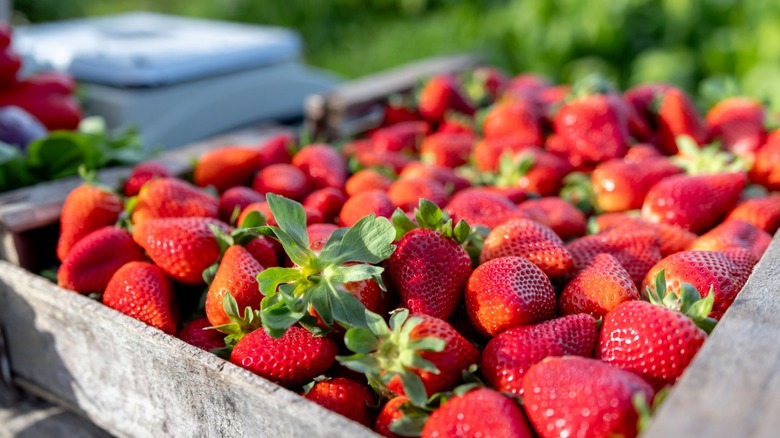
Strawberries are especially sensitive to growing conditions, making it hard for most stores to keep their shelves stocked with quality berries while also keeping prices competitive. That's why Costco strawberries come from a rotating group of suppliers across the United States, Mexico, and Canada. The warehouse chain doesn't lock itself into just one grower. Instead, the source tends to shift by region, season, and cost at any given time, meaning it varies depending on when and where you shop. That said, California plays a big role in Costco's strawberry sourcing, especially during peak growing seasons.
That's not all that surprising. The California Strawberry Board announced in 2025 that California farms supply most of the strawberries in the U.S. GoodFarms, a brand from Andrew & Williamson Fresh Produce, supplies strawberries from Equitable Food Initiative-certified farms in Watsonville, California, and has stocked Costco locations on the West Coast, in the Northeast, and in Hawaii since at least 2016. Nature's Choice Produce, a San Diego-based company, has also posted a video on social media showing its organic strawberries on Costco's shelves. California Giant Berry Farms is even sending berries to Costco's first Shanghai location.
But one of Costco's most talked-about strawberry products is the Dreamberry, part of the Sunset Wow Berries line from Mastronardi Produce. Unlike standard strawberry varieties, Dreamberries are known for being especially large, sweet, and juicy — probably why they've developed somewhat of a cult following. Mastronardi is a fourth-generation family-owned greenhouse grower. They have facilities in both the U.S. and Canada. Growing in a greenhouse helps the berries maintain their flavor and appearance more consistently throughout the year, which likely contributes to their popularity with Costco shoppers looking for premium fruit year-round.
How does Costco choose suppliers?
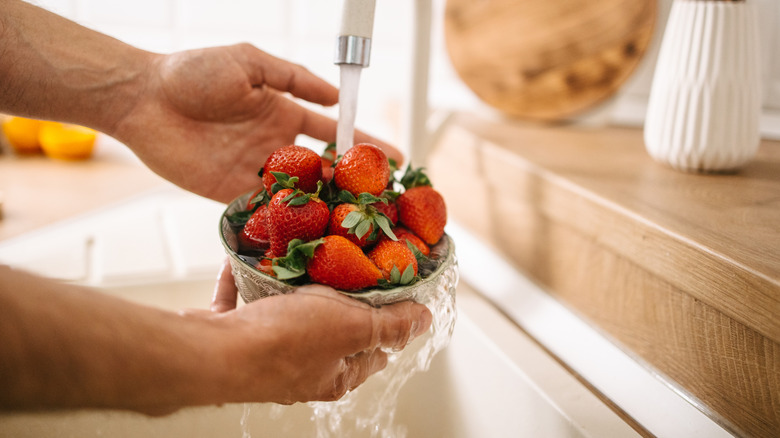
If you've ever bought strawberries, you know they don't last long, though some tips to make strawberries last longer do work. And the same is true for the stores that sell them. Costco has to rely on a flexible sourcing system to help you get the ripest strawberries at the store throughout the year. But who that actual strawberry supplier is can shift when production slows in one region or weather affects harvests. For example, if California growers face volume challenges due to wildfires or bad weather, Costco might move to a supplier in Mexico to maintain its inventory.
But Costco also doesn't use just any grower. It requires suppliers to meet its standards for volume, pricing, packaging, and operational practices, looking for growers that follow specific growing and handling standards. For example, growers must meet standards related to worker protections and agricultural practices outlined in Costco's supplier code of conduct. It includes expectations tied to labor conditions, environmental responsibility, and ethical business practices. Costco suppliers are also expected to meet the company's operational standards related to packaging and large-scale distribution — because the goal is to get the berries from farm to store as quickly as possible so they stay fresh, firm, and flavorful for shoppers.
Of course, where your nearest Costco is in relation to where the strawberries were grown can play a role. It's safe to imagine that stores on the West Coast could receive berries from California farms faster than locations on the East Coast. Depending on what suppliers Costco taps during certain times of the year, your strawberries could have quite a journey before they reach you. Fortunately, Costco's rotating supplier system helps combat some of these logistical challenges. Their approach is generally designed to deliver on strawberry freshness, availability, and cost, regardless of the season.