

Is Aldi's Food Packaging BPA-Free?
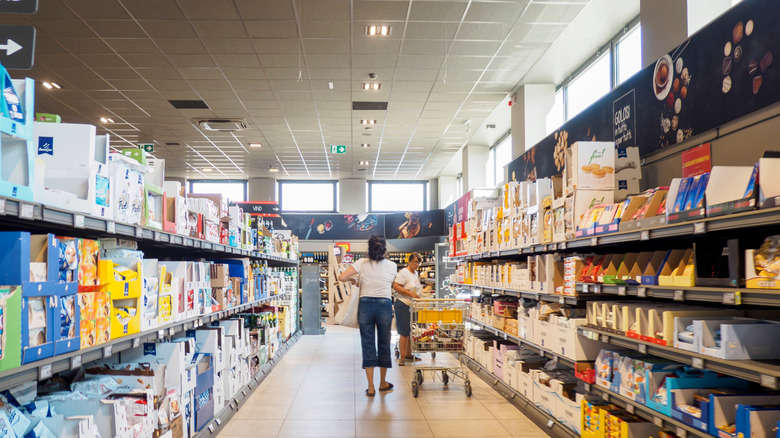
Even when buying from reputable stores like Aldi, double-checking what we toss in our carts is always a smart idea. For instance, it's worth a closer inspection as to whether the food packaging is BPA-free, as not all brands at Aldi are. Look for labels that say "BPA-Free Packaging" or "Non-BPA Lining" to feel more assured. Alternatively, you can be on the lookout specifically for brands Simply Nature and Little Journey, which ensure completely BPA-free products. First-time Aldi shoppers and even seasoned customers might not know this little detail, but it helps to be informed for safety purposes.
BPA, or Bisphenol A, is a man-made chemical compound commonly present in food and drink packaging, and even as a lining for metal containers, like those found in a can of soda or canned tuna (an overlooked food microplastics might be hiding in). According to the Columbia Center for Children's Environmental Health, BPA has been associated with risks for endocrine disruption and children's health. Both the American FDA and the European Environment Agency have banned its use as a material for baby bottles. Surprisingly, BPA isn't only consumed through food, but it can also make its way into our bodies through the air or touching thermal paper (such as the kind used in grocery receipts). However, food is the most common outlet that exposes people to this chemical.
How to stay BPA-free
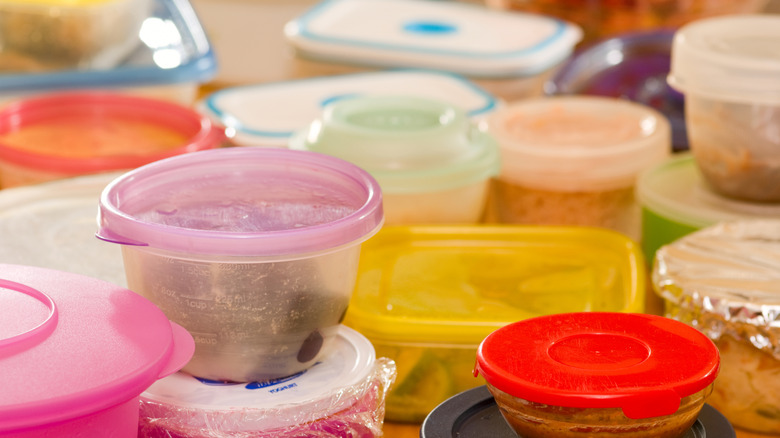
Aside from inspecting the packaging for BPA-free labels, there are certain common habits that you can remove from your usual practice. For instance, you shouldn't microwave certain takeout containers, specifically those made from plastic — including those with microwave-safe labels. While you're assured that the container won't melt if it's microwave-safe, there are still particles invisible to the human eye that may leach into your food. As research on plastic and its health impacts develops, it's better to stay on the safe side.
If you need to reheat your food, glass, ceramic, and porcelain are much more reliable. Food packaging made from these materials is also safer. Switching to stainless steel water bottles is another way to avoid BPA as well. Plastic packaging should also not be tossed into the dishwasher because it heats the material, and of course, throw away single-use plastic, like water bottles, after you finish your drink. You can also look out for the recycle codes found at the bottom of containers, making sure to avoid those with numbers 3 or 7, which mean they potentially contain BPA. While it may require a few extra steps to stay BPA-free, it's worth checking the label, and Aldi's packaging makes it easier to tell at a glance.