

Gnats Love To Lay Eggs In Your Kitchen Sink: Here's How To Get Rid Of Them
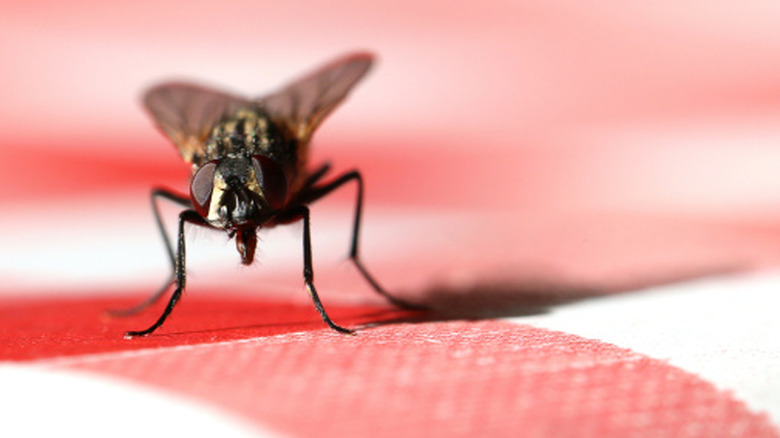
You see them only from the corner of your eye. You hear them buzzing in and out of earshot. It's the infestation everyone fears: gnats. These small critters, while not usually dangerous, are infinitely annoying, and they can make even the cleanest kitchen feel a bit unkempt. Often times, specific types of gnats, known as drain flies, lay eggs in wet spaces, such as your kitchen sink. These eggs eventually become the flies that keep abuzz in your kitchen, and the cycle continues.
Ending these infestations may seem like a complex endeavor, but it's really quite simple. Simply heat a pot of water until boiling, then pour the boiling water down your drain. Repeat once a day as necessary until your infestation clears. This can take a few days since this method only targets larvae and not mature flies.
A more intensive approach
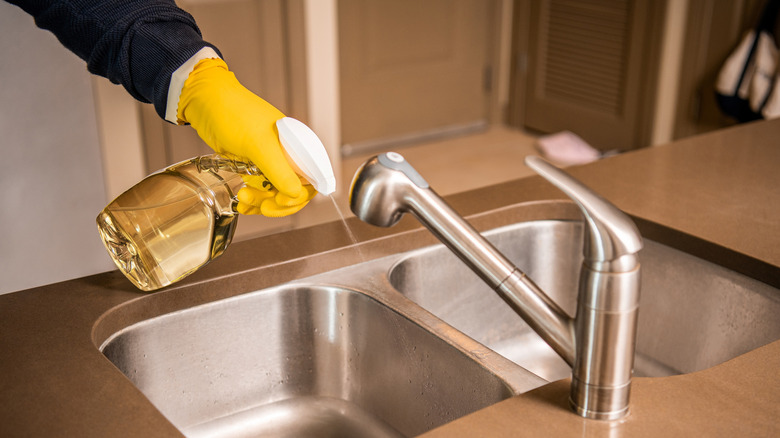
If you're looking for a more intensive method, there are a few steps you can add that help ensure your drain fly larvae are stomped out for good. One method starts with a dry sink, then adds ½ cup of baking soda to the drain, which sits for five minutes before 1 cup of Pine-Sol is added. This mixture sits for at least half an hour (but up to overnight) before you proceed with hot water. This method goes a step further than just hot water by first creating an inhospitable environment for the larvae, then killing them. The hot water flushes the mixture and the larvae down the drain. You can repeat this for several days if necessary.
Another good way to inhibit fly breeding is to scrub your sink and drain (if you can access it via scrubber) until there is no gunk built up on the sides. This, paired with either cleaning method, helps remove any breeding grounds, leaving you with a fly-free home. To maintain fly-free status, make sure your sink is clear of old food each day. Food residue tends to attract flies in the first place, and an ounce of prevention is worth a pound of cure.
Other gnats, and how to get rid of them
Drain flies are only one type of gnat that can make your kitchen home. Other species, such as fruit flies and fungus gnats, may also be to blame, in which case the ol' drain clearing trick simply won't work. While some fruit flies may breed in your sink, they are also likely to multiply on ripe fruits, such as bananas, and in garbage cans. To deal with these pesky bugs, regularly change out your trash and toss any fruit this side of funky. You can also set up traps on your counter top. One popular method involves setting a bowl with apple cider vinegar and dish soap on your counter, covering it in cling wrap, and poking holes in it. The vinegar attracts flies, which crawl in through the holes, and the dish soap and cling wrap prevent them from flying away.
As for fungus gnats, the source of this infestation is usually found in potted plant soil, so look out for flies or larvae around any potted plant you bring home. If you find signs of fungus flies, check all potted plants for signs of infestation, and kill off all fly larvae in the potted plant. There are several methods of doing this, including drying out the soil and using hydrogen peroxide. The method you use should depend on your plant's needs and health. One through line applies for all infestations, however: keep your kitchen clean and dry.