

5 Of The Most Common Health Violations Restaurants Receive
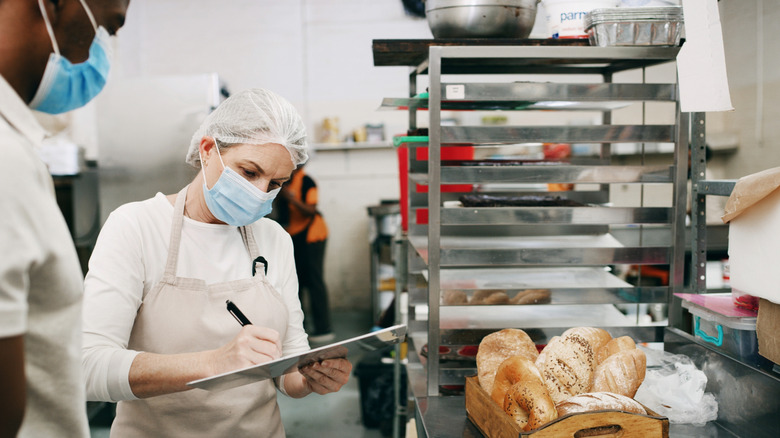
Effective food safety is key in any restaurant worth its salt. Chefs, line cooks, and servers alike work hard to maintain industry-wide standards and avoid violations. If you've never worked behind the scenes at a restaurant, you might wonder exactly what would give your go-to spot a negative mark from the health inspector. Shipra Pareek, senior program manager at NSF, spoke exclusively with Chowhound about some of the most common health violations restaurants receive.
She told us that health code violations aren't necessarily a sign of an unsafe environment behind the scenes at your favorite restaurant. "When evaluating a restaurant, frequency and severity matter more than any one item on a report," says Pareek. "Inspection reports are public in most jurisdictions and they are a useful resource for diners who want to make informed choices." Health codes are there to keep the public safe and give you the information you need when deciding where to spend your money, so they're worth paying attention to. From pest infestations to cross contamination issues, Pareek gave us the nitty-gritty details of the health violations restaurants most commonly face.
Many restaurants fail to keep food in a safe temperature zone
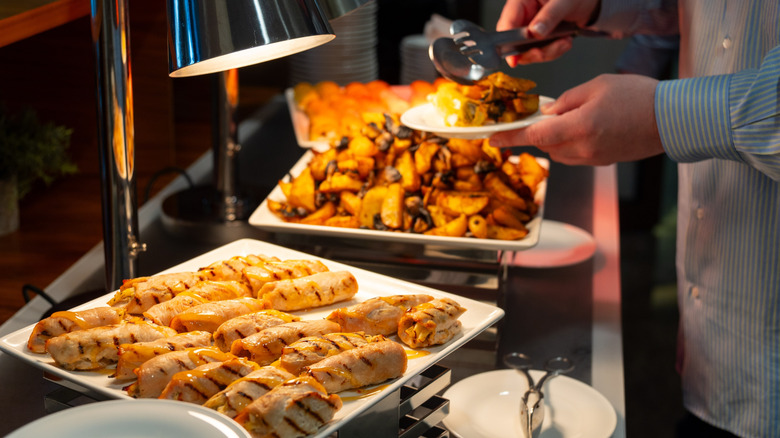
Temperature control is a vital component of food safety. Without careful attention, it's easy for foods in restaurants to fall out of the safety zone. Shipra Pareek told us that the most common health code violations in restaurants are around temperature control. "Temperature control sits at the center of food safety standards globally because bacteria multiply rapidly between 40 degrees and 140 degrees Fahrenheit. The longer food sits in that range, the higher the risk of foodborne illness." Restaurants that fail to keep food in a safe temperature zone are at risk of receiving a critical health code violation, meaning the restaurant is putting customer health at risk.
Since you can't exactly go behind the scenes of a restaurant and check the temperature of food before you eat it, you can keep your eye out for anything that seems off temperature-wise. If your server brings you a dish and the temperature doesn't seem quite right, Pareek says it's smart to speak up: "If a hot dish arrives lukewarm or a cold dish arrives warm, it's reasonable to ask for it to be remade, and a repeated pattern across visits is more telling than any one moment."
Handwashing doesn't take long, but some restaurants struggle to get it right
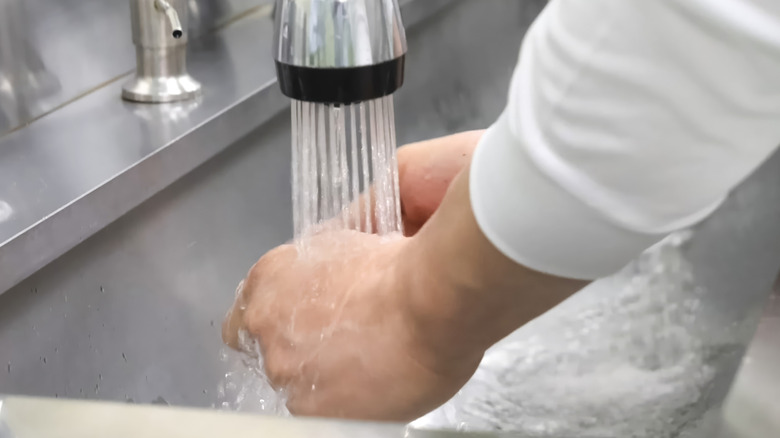
While temperature issues are the top reason restaurants receive health code violations, "Handwashing is close behind," according to Shipra Pareek. "Handwashing remains one of the most effective tools we have for preventing foodborne illness. ... which is why standards require hand sinks to be accessible, stocked, and used at specific points in food preparation." Improper handwashing is a common kitchen sanitation mistake in restaurants. According to the CDC, restaurant employees only wash their hands about one out of every three times they should.
Handwashing seems simple, but there are reasons restaurant employees may not be diligent when it comes to this basic hygiene. "Empty soap dispensers, missing paper towels, and staff skipping a step that take seconds are behind a surprising amount of foodborne illness," says Pareek. To get an idea of whether employees regularly wash their hands, take a peek in the customer restroom. "An empty soap dispenser or missing paper towels in the front of the house is a reasonable cue to ask whether the same standards are being followed in the back," Pareek says.
Dirty uniforms, sick employees, and bare hands touching food can all cause hygiene violations
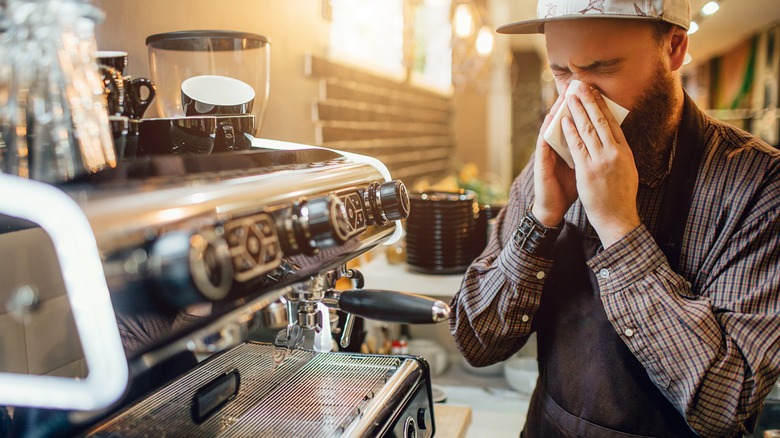
Employee health and hygiene gaps are another common source of health inspection citations in restaurants, according to Shipra Pareek. Many restaurants have codes in place to prevent sick employees from working, but they aren't frequently enforced, according to the CDC. There are many reasons restaurant employees might come into work while sick — including financial reasons — and it can be tough for managers to figure out whether they should send an employee home for illness.
Working while sick isn't the only employee health and hygiene gap that restaurants commonly get cited for. Clothes and aprons should be clean, and employees should wear hair coverings and gloves where required. There are some telltale signs that a restaurant may be violating employee health and hygiene regulations, and you should speak up if you see something that seems off. "If you see a clearly ill employee handling food, no hair restraints in food prep areas, or workers eating where food is being prepared, that is appropriate to bring to a manager's attention," says Pareek.
Cross-contamination commonly spreads dangerous pathogens
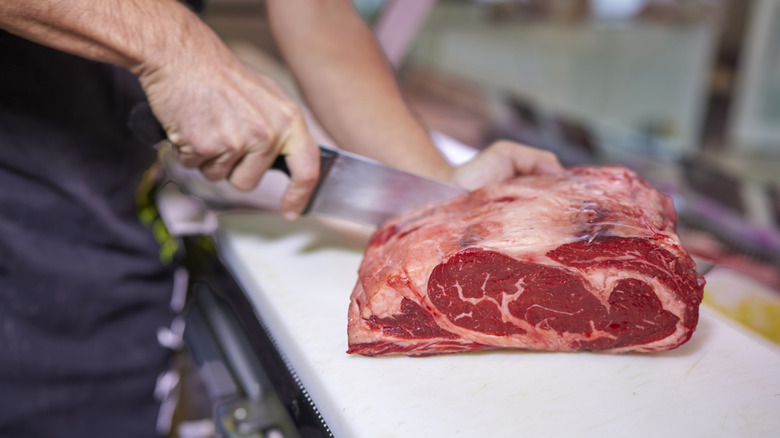
Cross contamination issues can result in critical health code violations. "Raw poultry, meat, and seafood can carry pathogens ... when juices or surfaces from raw proteins reach ready-to-eat foods, those pathogens transfer," says Shipra Pareek. There are many ways cross contamination can occur, including using the same cutting board and knife for raw meat and other foods, failing to wash kitchen towels, using improper dishwashing techniques, and other common food safety mistakes. Improper food storage also comes into play. If, for example, a restaurant stores vegetables near raw poultry without taking precautions, bacteria can easily spread, potentially causing foodborne illness.
You can't usually spot cross-contamination, so keep an eye out for red flags. "Most cross-contamination happens out of sight, so the most useful thing diners can do is trust their senses on temperature and appearance," says Pareek. "If a dish arrives undercooked when it shouldn't be, particularly poultry or ground beef, it's worth sending back."
Pest activity is a red flag for health code inspectors
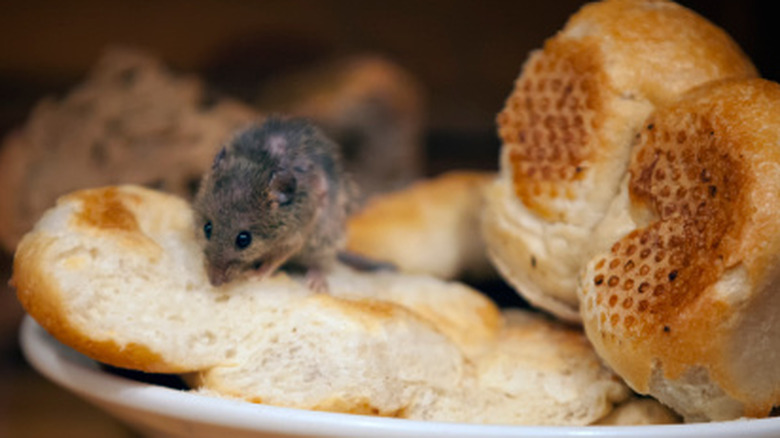
Pest activity is one of the more common reason restaurants receive a failing health score and "is one of the more serious things an inspector can find," says Shipra Pareek. Pest issues often result in a critical violation since they directly endanger the health of customers. What's more, a pest issue isn't only dangerous because cockroaches, mice, and other animals carry disease — an infestation is also a sign the kitchen isn't keeping up with a solid cleaning routine.
If you notice a pest issue in a restaurant, it's important to speak up. If you're seeing insects in the customer-facing areas of a restaurant, there's a good chance things are far worse behind the scenes. "Live insects in the dining area, droppings near storage spaces, or flies clustering around food prep are exactly the kind of issue local health departments want to know about, and a photo along with the date, time, and location gives inspectors what they need to follow up," says Pareek.