

Do Aldi Products Contain Food Dyes?
Dyes and food colorings are at the forefront of many discussions about food production as questions about their safety have become mainstream. You've probably heard about the FDA's ban on Red No. 3; however, there are more ingredients some consider to be suspect. If you're a fan of shopping at Aldi, you'll benefit from knowing the retailer's stance on food dyes, specifically artificial ones, as well as other ingredients that cause concern among some consumers.
In 2015, Aldi became one of the first national grocery stores to remove eight certified synthetic colors — FD&C Blue No. 1 and 2; Green No. 3; Red No. 2, 3, and 40; and Yellow No. 5 and 6 — from its private-label products. FD&C colorings are primarily petroleum-based additives that have raised health concerns. Aldi also has plans to eliminate additional ingredients from its products, including 44 artificial preservatives, colors, sweeteners, and flavoring ingredients from food and supplements by December 31, 2027.
"Based directly on customer feedback, we are proud to take meaningful steps to make it even easier for families to fill their carts with confidence by delivering simpler ingredients," reads a statement on Aldi's website. Since around 90% of the grocery store's products are private-label goods, shoppers who are concerned about artificial food dyes will feel relief when perusing the shelves. The chain does sell some name-brand products like Kraft American Cheese, Coca-Cola, and Campbell's soup, which you may come across when comparable items aren't available, so you'll simply need to look more closely at products that aren't Aldi exclusives.
Replacing synthetic dyes with natural food colors
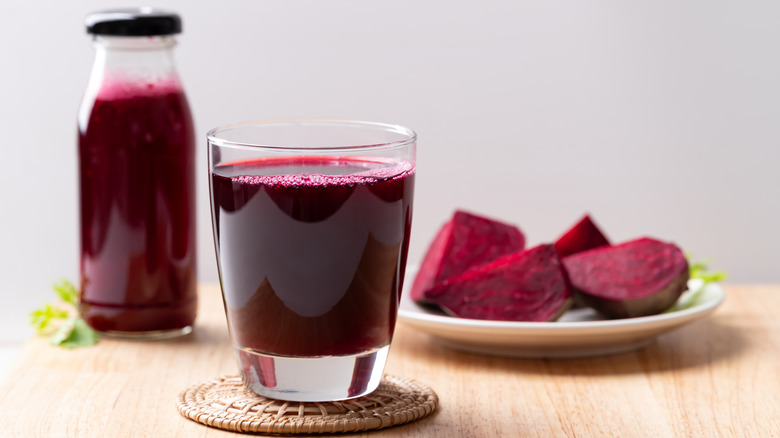
Many large-scale food producers have announced plans to phase out synthetic food dyes and replace them with natural substitutes — a practice that Aldi has adopted for many of its store-brand items. After all, most colorful foods and food products will still use some type of additive to retain an attractive appearance. If you've tried to add a colorful twist to homemade pasta, you've likely encountered some of the safe substitutes for artificial colors. According to the FDA, natural colorings can be sourced from vegetables, fruits, animals, and minerals, and include annatto extract, dehydrated beets, caramel, beta-carotene, and grape skin extract, among other substances.
On Reddit, Aldi shoppers who say they have compared brands noticed the use of natural colors in numerous products. One individual noted, "I was comparing Fruit Loops and the Aldi version of it. They use turmeric for the yellow and it's actually good for you! Tastes good too." In addition, another shopper remarked, "I noticed this on the fall critters chocolate today! The colors on the animals were from things like apple, radish, blackcurrant, beetroot, etc." If foods reformulated with natural colors taste as good or better than original items made with synthetic dyes, health-conscious shoppers may appreciate the difference.