

5 Steps You Need To Take At The First Sign Of Grain Weevils In Your Kitchen
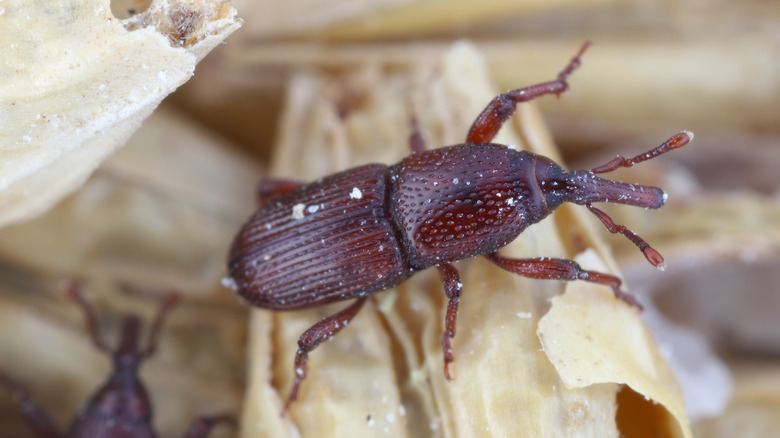
The name weevil sounds almost cute, doesn't it? If you've ever dealt with an infestation of these tiny critters in your pantry, though, you know that it can be pretty alarming to see tiny creatures crawling through your rice, oats, or other dry goods. Weevils come in a variety of sizes, but even the largest ones only grow up to about a quarter of an inch long. While these small pantry bugs can't hurt you (or your pets), you'll want to get rid of them quickly if you realize they've infiltrated your grains, as they tend to multiply quickly (more on how to spot weevil eggs in your dry goods in just a moment).
If you notice the pests in your home, there's a decent chance you unknowingly brought some home after your last trip to the grocery store. The good news: If you've noticed some weevils (or signs of weevils) in the grains in your pantry, they're fairly easy to eradicate. They don't bite, they don't carry diseases — they're simply a pain in the pantry that you'll want to take care of sooner rather than later. Luckily, there are some easy tips you can use to say goodbye to these pesky pantry pests, no chemicals required.
Identify the problem and locate the weevils
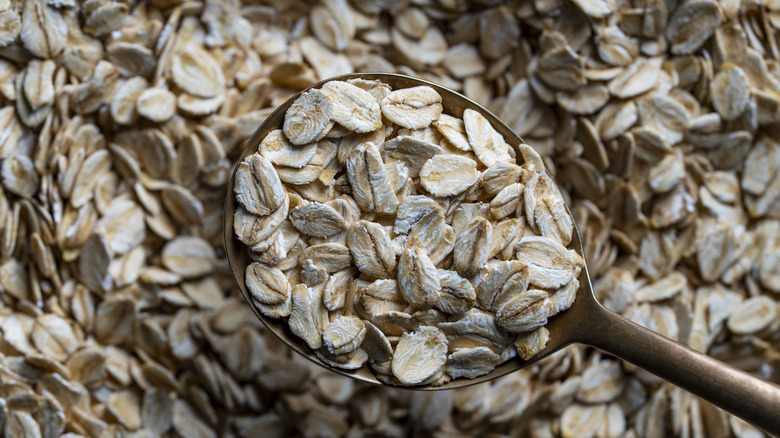
Before you create your plan of attack, it's important to make sure you're actually dealing with weevils in your pantry. First, the obvious: weevils are small, but not so small that you can't see them in your dry goods. Grain weevils tend to infiltrate oats, barley, and wheat. They have dark-colored bodies (black or reddish-brown). They can't fly, so if you see your pantry pests taking flight, you've got something other than a weevil on your hands. You might also notice grain weevil larvae in your dry goods (and you might want to skip this part if you're eating). They look like tiny worms, and they can be white or yellow. If your grains seem to be wiggling, there's a good chance you're dealing with baby weevils.
Actually seeing a weevil or weevil larvae with your own eyes isn't the only sign that you might be dealing with a weevil problem. Sometimes, your food might take on an "off" smell after weevils have been through it. You might also notice chewed-through packaging (think a suddenly-missing corner of the bottom of a bag of flour) or little specks when you wipe down the inside of your pantry (dark specks could be droppings, while white specks could be eggs, so it's important to pay attention to both).
Dispose of any contaminated foods right away and freeze grains that were infestation-adjacent
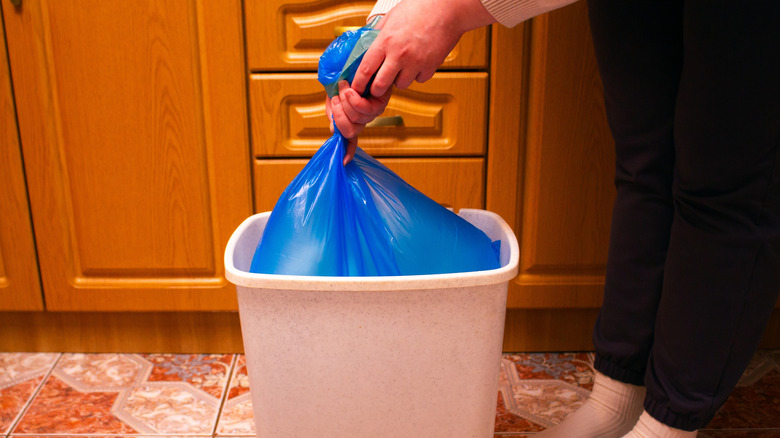
While getting rid of all the contaminated foods in your home isn't likely to remove all of the weevils in your pantry right away, it's a great place to start. Carefully inspect dry goods, and err on the side of caution. If you notice a bag of flour or oats with holes in the packaging, toss it into the trash — there's a decent chance the damage is the work of weevils.
To prevent the bugs from reentering your house once you've found the affected items and removed them from your pantry, you'll need to make sure your contaminated trash is sealed. You can place the weevil-infested items in a sealable Ziplock bag before tossing them in the trash. Dispose of your garbage outside right away, and be sure to move your trash can away from your house to prevent weevils from infiltrating your pantry again. If you have items that were next to the infested items but you're pretty sure they've remained weevil-free, toss them in the freezer for a few days (three to four) just in case, as freezing grains kills weevils and their eggs.
Vacuum, vacuum some more, then vacuum one more time
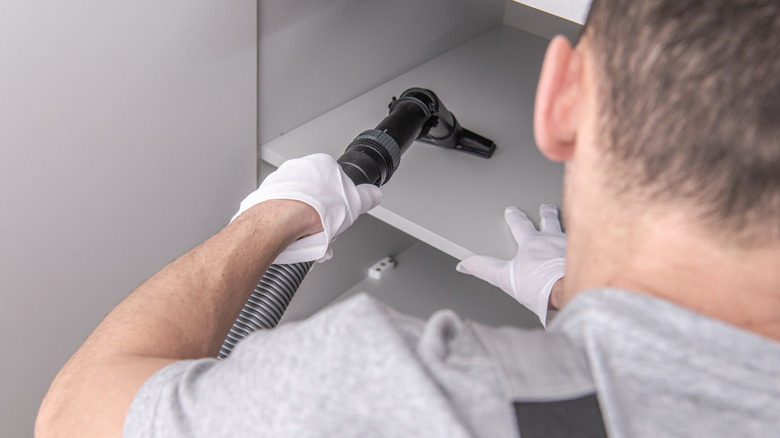
After disposing of the offending items, going to town with your vacuum is key. You'll need to really get into your pantry, vacuuming every corner, nook, and cranny (this is the time to take out the vacuum attachments you use to clean between the couch cushions). Just like with deciding which items to throw away, you'll want to lean on the side of overdoing it when it comes to vacuuming your pantry. Be sure to get every affected shelf and corner, as weevil eggs are super-tiny, and it would only take a few of them hatching for your infestation to get a fresh start.
Once you've finished vacuuming, it's time to head outside. If your vacuum has a bag, take it out, then place it in a sealable container before you put it in the garbage. If you have a bagless vacuum, empty the dust and debris into a sealable bag before you toss it in the trash. Be sure to place your vacuum dirt, dust, and weevils (ick — we know) directly into your outdoor, moved-away-from-your-house trash can to make it tougher for them to make their way back into your home.
Start scrubbing (and don't be afraid to call a professional for help)
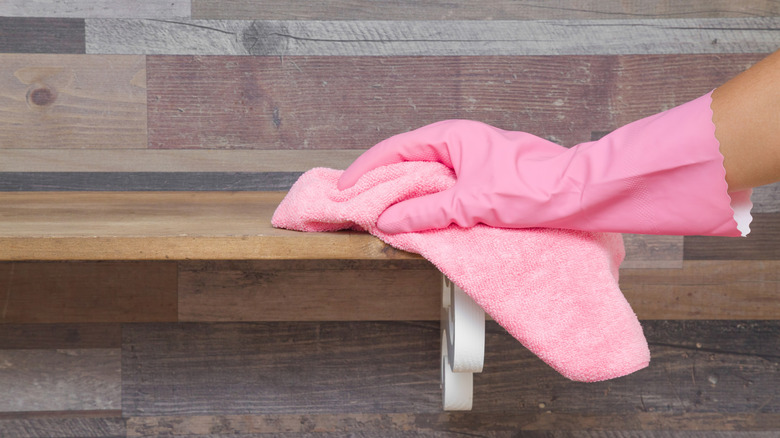
With vacuuming out of the way, you can wipe down the interior of your pantry. Even if you don't see any dust or dirt, you'll still want to wipe down the interior carefully, as eggs and weevil droppings can be tough to see. Wipe down all surfaces to remove any weevil remnants from your pantry. While you may be tempted to spray an insecticide after you finish cleaning, don't bother — they don't work against weevils, unfortunately.
In most cases, going through the process of throwing away affected foods, vacuuming well, and wiping down your pantry is enough to ensure that you have a weevil-free home. If your weevil infestation is severe, you might need to reach out to a pest control professional for help. If you've gone through the steps we've listed here and you're still seeing weevils, it's time to call in a pro.
How to prevent weevils from getting into your pantry in the first place
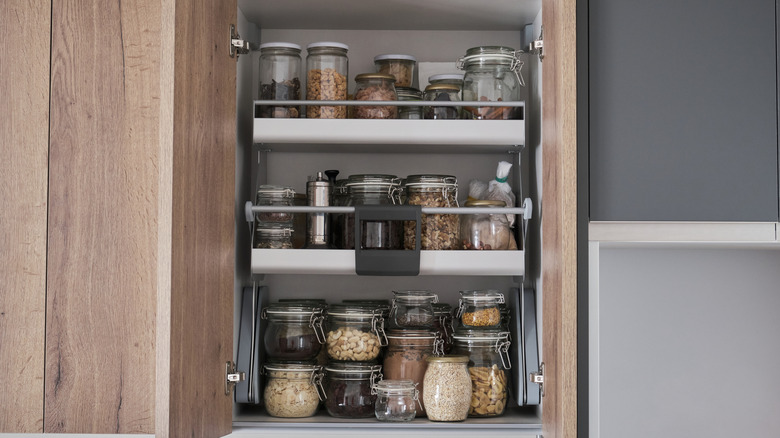
Weevils often have nothing to do with the cleanliness of your house, and everything to do with the unfortunate luck of bringing home something that's been infested with the pests at the grocery store. However, there are a few things you can do to prevent an infestation. Paper and plastic are no match for weevils, so you'll want to do your best to prevent them from accessing the grains. Using airtight containers to store dry goods can help you declutter your kitchen and prevent pantry weevils at the same time.
You can also use some natural weevil deterrents in your pantry to help make your grains less attractive to weevils. Keeping bay leaves in your kitchen is smart (even if you don't cook with them), as they act as a natural deterrent for a ton of pests, including weevils. Black pepper and garlic cloves can also help to keep weevils out of your pantry. An ounce of prevention is truly worth a pound of cure in this case — setting up a few small weevil deterrents might very well save pounds upon pounds of dry goods in your pantry.