

5 Ways To Use Milk Powder For Better Home Cooking
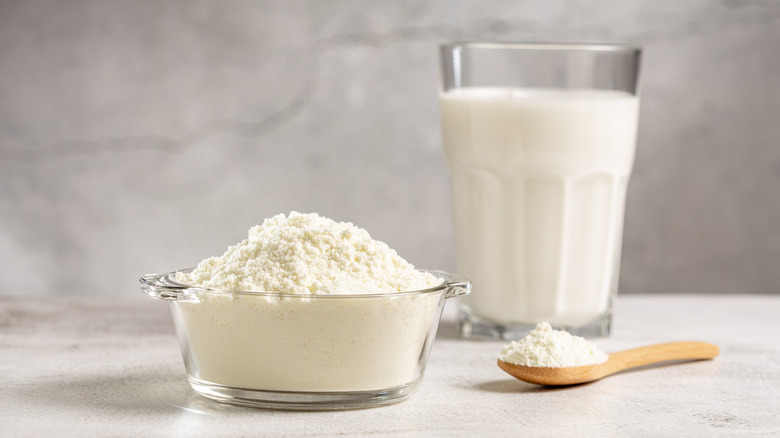
Milk easily elevates recipes with its distinct creaminess and rich flavor. While many recipes call for liquid milk, powdered milk is the next unsung hero tucked away in your pantry. Powdered milk is often associated with baby formula and various confectionary treats, but this affordable, long-lasting ingredient (six to 18 months) actually has a vast range of uses.
While it may sound unexpected, powdered milk is not much different from its liquid counterpart. The former is evaporated after being pasteurized, effectively removing any remaining water. Despite this, it has a similar amount of calcium (depending on brand), and can offer new layers of flavor and texture to many dishes. Not to mention, it makes for a great last minute alternative if you run out of standard milk.
When you look for powdered milk in stores, you typically find nonfat dry milk (made from skim milk) or whole dry milk, which generally contains more fat and has a shorter shelf life. It's also worth noting that low-heat milk powder tends to have that classic milky taste to it. Meanwhile, high-heat milk powder generally contains more denatured protein and has a slightly sweeter flavor profile. Regardless of which milk powder you use, powdered milk deserves a spot in your pantry for many reasons. For example, this ingredient is known to increase bread and other dough rises, soften sour yogurt, and makes for denser, creamier homemade ice creams. You could even incorporate this ingredient into your smoothies for extra vitamins, or your coffee in a pinch.
Improve homemade and store-bought yogurt
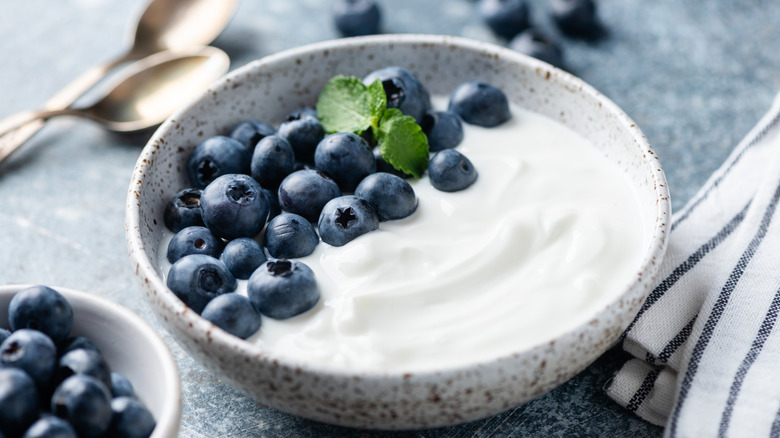
Milk powder can shift the texture of homemade yogurt, including increasing yogurt's firmness due to the incorporation of added dairy solids found in powdered milk. Some recipes are simple, only requiring water, powdered milk, and a fermentation starter; combine the water and milk powder over heat before adding the starter to set. You can also incorporate milk powder with liquid milk for an even creamier, denser result. In this case, some recipes call for an approximate ratio of 1 part milk powder to 12 parts liquid dairy. Additionally, you can mellow out yogurt's sour, lactic acid-based bite by mixing in powdered milk for a smoother, more palatable result.
If you don't have time to make homemade yogurt, or just prefer store-bought brands, milk powder is still hugely useful. Simply add a few teaspoons at a time for the same benefits, and also to boost the protein content of your store-bought yogurt. This calcium-enhanced version of yogurt can be helpful across other recipes that call for yogurt, such as cakes, rich dressings, and nutritionally potent smoothies.
Use it for fluffier bread loaves
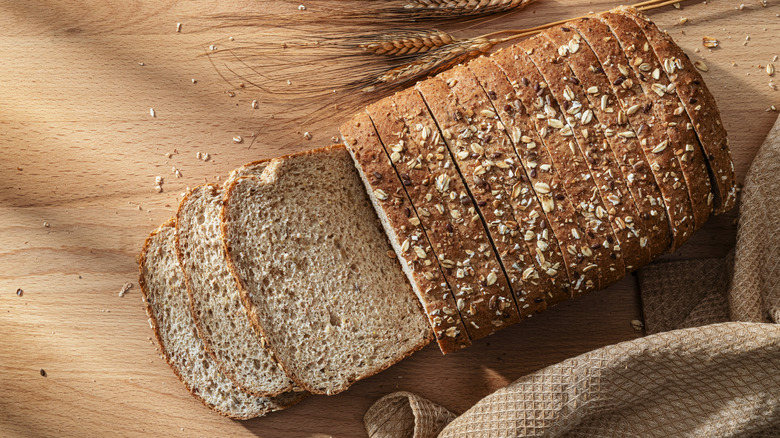
Powdered milk is a great way to achieve fluffy, delicious homemade bread. If you've been struggling to achieve a high rise with your dough, dry milk can assist the proofing process. This ingredient serves a similar purpose to liquid milk and adds more flavor to standard loaves. When it comes to making bread with this ingredient, note the difference between low-heat and high-heat processed milk powders and keep an eye out for high-heat; the slightly more sugary taste and additional protein better assists your bread's rise.
A spongier bread loaf is just one of many ways that adding milk powder can elevate your baked goods. This ingredient also often leads to a crunchier, crispier crust, taking on more distinct color throughout the duration of the bake. This is partly due to the additional sugar from the milk powder caramelizing in the oven. Loaves made with powdered milk tend to have a light crumb due to the faster fermentation that is prompted by added protein and sugar.
It's important to note that dry milk is not instant milk. Therefore, you do not need to liquidize it to use it. Rather, you can incorporate it directly into the rest of the dough with your other dry ingredients. This is an important step before mixing in your liquids since powdered milk tends to clump. All said, the incorporation of this ingredient makes for a uniquely delicious and airy bake.
Make creamier ice cream

If you're a fan of homemade ice cream, you can use powdered milk to create even creamier textures and more pronounced flavors. This ingredient creates a robust structure that aligns with traditional ice creams. Simultaneously, the incorporation of powdered milk also comes with nutritional benefits, including added amino acids, calcium, and potassium. You don't need much to transform the texture of your ice cream either; you could use as little as a ¼ cup depending on the recipe.
Powdered milk can form an ice cream base alongside common components, such as heavy cream and sweetener, but there are other inventive ways to blend powdered milk with ice cream. Some mix it into the base after toasting it over light heat; lightly toasted dry milk adds layers of warming flavor and a nutty taste to ice cream, not to mention it can be made even tastier with extra add-ins such as salt and vanilla extract. While not everyone has time to make homemade ice cream, you can incorporate powdered milk into store-bought varieties as well, either mixed in by hand or blended into an ice cream shake.
Make cookies and brownies chewier

Powdered milk is not only good for firming up ice cream, it also adds a distinct chew to cookies and other baked goods. This ingredient incorporates additional milk solids into your batter, leaving you with a fudge-like consistency and chewy bite. Milk powder is also a great way to get some of the same nutritional and flavor benefits of liquid milk without compromising texture by over-wetting the dough. Dry milk also gives your cookie recipe a slightly caramelized taste due to the ingredient's sugar content. While you can add milk powder as is, lightly toasting it beforehand creates even more nuance and bite.
There is no universal way to incorporate this ingredient, so it's best to see what tastes best in your specific cookie recipe. The same goes for using nonfat or whole milk powder; either tends to work well and ultimately comes down to preference. This ingredient is also great for baking cookies and brownies in a pinch when you don't have liquid milk around.
Make better browned butter

Browned butter is a useful ingredient across both savory and sweet recipes, such as cookies, brownies, cakes, various pasta dishes, and cornbread. While you may have perfected the process of heating butter to caramelize its milk solids, turns out, powdered milk is another way to elevate this recipe further. For those who have never made browned butter, it's a rather simple process. You merely heat butter in a pan until it separates and browns. Once complete, you have delicious, nutty, slightly caramelized butter. The addition of milk powder leads to a higher concentration of milk solids and, therefore, a more potent and delicious browned butter.
Incorporating milk powder is easy: simply sprinkle your powdered milk into the butter as it begins to cook. Make sure to watch the butter closely; when it begins to foam as it cooks down, you should notice the solids in the butter beginning to separate. Add your powdered milk at this stage, and whisk together to ensure proper incorporation, making sure to prevent the separated solids from burning.