

Skip These Bulk Products Next Time You're At Costco — Trust Us
Costco is perfect for buying products in bulk. Thanks to its membership-style shopping experience and its large stock of bulk products, it's able to keep grocery costs low for shoppers. The downside is this could lead to overbuying, a shopping habit that might be costing you hundreds of dollars. When shopping for multiple people, the bulk products come in handy, but if you're not sure you'll use them in a timely manner, then some just aren't worth the purchase.
Depending on your pantry and freezer space, you can definitely stock up when you see a good deal. But keep in mind that food waste is real — up to 40% of the United States' food supply is wasted, per the USDA. Buying more than you can consume means wasting food and wasting money (and if you do need to buy some perishables, make sure you know how to store those bulk items). Chowhound spoke with some food experts about what's just not worth the bulk purchase (spoiler alert: leave those salad greens behind), as well as what you should buy instead.
Skip the fresh produce
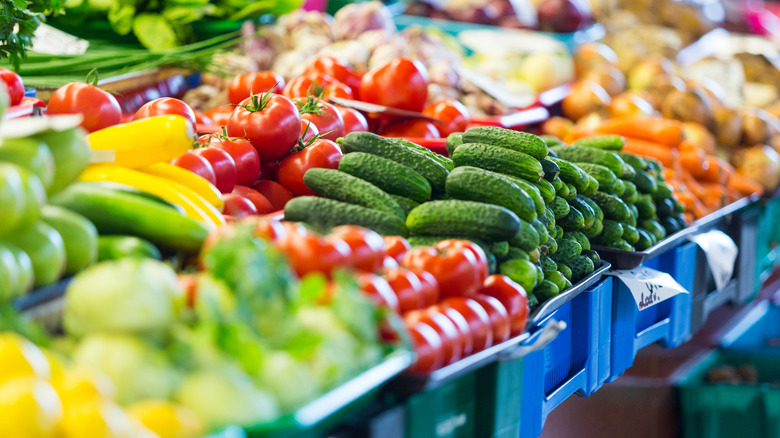
We all have good intentions when it comes to buying fresh produce at the grocery store. Salads for lunch, fruit with breakfast, greens for dinner — but when the reality of a busy week sets in, it's harder to get through it all than you think. Jennie Alley, chef and senior recipe developer at Budget Bytes, told Chowhound fresh produce is "usually a pass" for her "unless I'm stocking up for a big family gathering or trip." While the deals look good, Alley reminded us that they don't matter if you can't eat it all.
Therese Buchanan, food blogger, photographer, and recipe developer of Tessie's Table, echoed the idea. "I tend to skip bulk fresh produce like large bags of salad greens or delicate vegetables ... I've definitely bought those big containers thinking I'll get through them, only for them to go bad before I can use them all," Buchanan said. If you do decide to buy salad greens in bulk, be picky with what you choose. Whole heads of lettuce will stay fresher than chopped leaves, and if you do buy loose spinach or arugula, sift through and remove any damaged or rotting leaves as soon as you get home.
Be wary of most dairy products
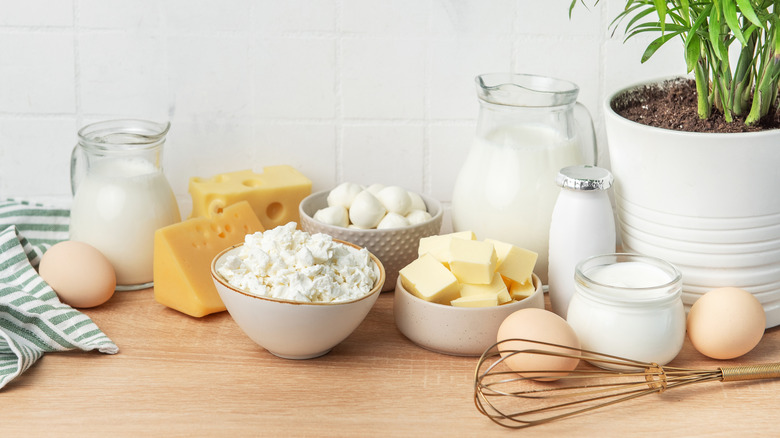
Dairy products are another food group that probably isn't worth buying in bulk, though there can be exceptions. "A two-pack gallon of milk isn't really a deal if it spoils before your family gets to it," Jennie Alley said. Milk usually lasts a few days, but if you're not buying for a group, it's probably better to just buy a gallon as needed based on what you know you'll drink. Delicate cheeses like fresh mozzarella also don't have a long shelf life, so you should skip these, too.
With that said, not every dairy product goes bad so quickly. A firm cheese like parmesan can last a month in the fridge or even longer if it's properly stored, so if that's something you think you'll use a lot of, it's not a terrible idea to buy it in bulk. "I keep [parmesan wedges] tightly wrapped in the refrigerator, and they last for months without developing mold," said Marissa Stevens, founder and recipe developer at Pinch and Swirl. But other cheeses, such as shredded cheddar, might only last two weeks. If you do happen to buy a bulk bag, you can freeze shredded cheese and it will last about six months. When it comes to deciding what to buy in bulk, be mindful of the dairy product's general shelf life though.
Those massive spice containers are a no go
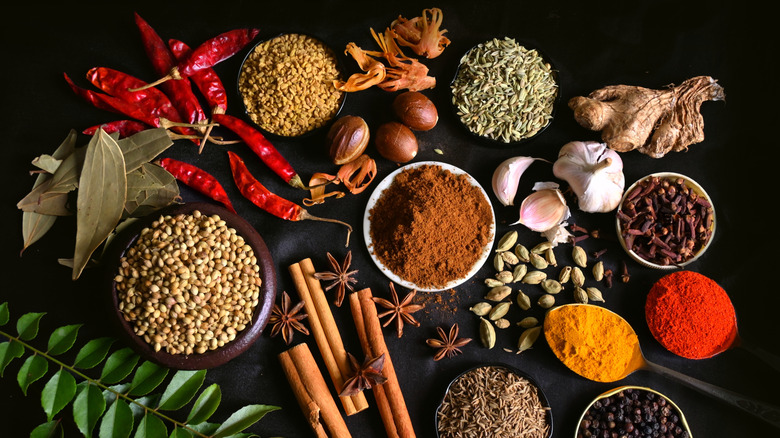
Spices aren't cheap, so when you see a good deal on a large spice container, you're tempted to go for it. But various food experts suggest otherwise. "Bulk spices, with the exception of black peppercorns, look like a great deal until you're pulling out oregano that smells like dust two years later," said Marissa Stevens. "Spices lose their potency quickly, and buying more than you'll use within a year means either a lot of waste or using seasoning that doesn't work." Whole spices, such as black peppercorns, can stay potent for up to four years, which is why they're an exception.
Therese Buchanan said the same, adding that, "Spices lose their potency over time, and most home cooks won't realistically use that much while they're still fresh." The shelf lives of spices vary widely depending on the type of spice or herb and its quality, but some can lose their potency in only about a year; this is more often the case for dried leaves, such as basil and oregano. It's better to buy smaller amounts of spices and replace them more frequently versus buying a massive container all at once.
Avoid buying certain types of rice
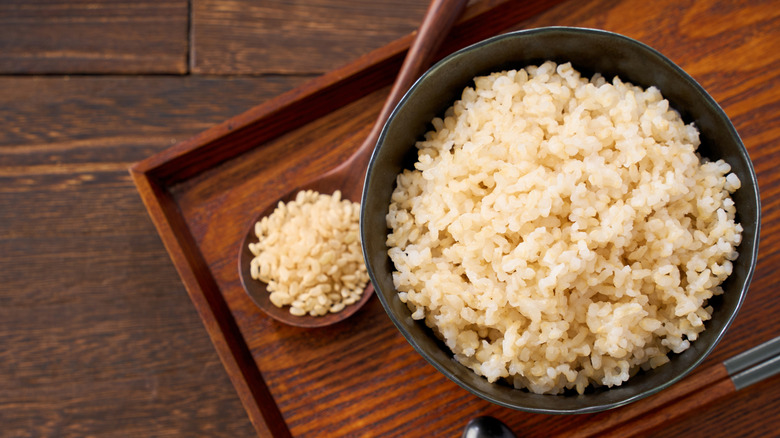
Rice is a shelf-stable food that doesn't need refrigeration, but that doesn't mean it lasts forever. While white rice can last in the pantry for several years, brown rice, for example, won't last nearly as long — only between three and six months. "I avoid buying brown rice ... in bulk," said Christina Musgrave, food blogger and founder of Tasting with Tina. "It's likely to expire before you can eat a 15-pound bag."
If you plan to cook brown brice daily, then you can get away with buying it in bulk, but it's more cost-effective to just buy smaller packages from your local grocery store "so you're not wasting money and food," Musgrave said. If you do buy rice in bulk, you can cook and freeze it for up to eight months, so if you want to test the waters with bulk brown rice, there's an alternative to avoid wasting it if needed.
There are a handful of items that are worth buying in bulk
While some shelf-stable products like brown rice aren't recommended, there are plenty of pantry items that are worth purchasing in larger quantities. "I recommend stocking up on things with long shelf life like ... Frank's Red Hot and olive oil," said Daniel Perron of Locavore. Perron also recommends bulk mayonnaise, though that will need to go in the fridge once it's opened.
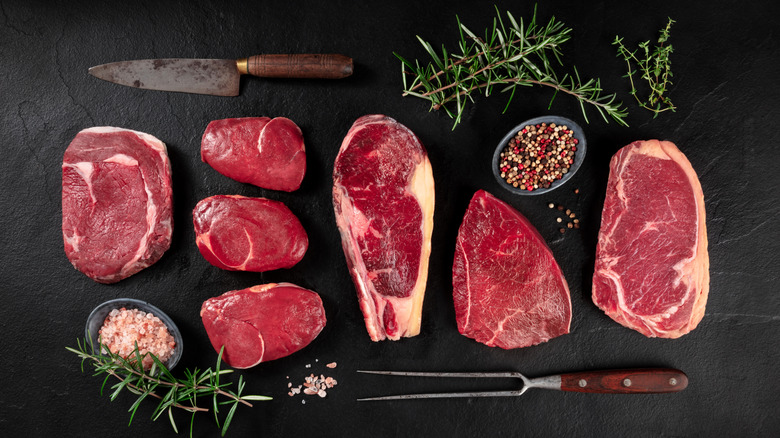
As long as you're willing to use your freezer, it's worth it to stock up on meat, especially if there is a good deal. "Bulk meat is where Costco really shines, especially the fresh cuts," said Jennifer Alley. "The quality is actually really great for the price ... I make sure to portion out everything at home, wrap it tight, and freeze it right away." Alley added that Costco's frozen meats are worth buying, too, but "you get more flexibility of portion sizes when you [freeze and] thaw the fresh."
It's also worth purchasing frozen fruits like blueberries in bulk because of their long shelf life and nutritional value, and kitchen staples like aluminum foil and plastic wrap are a good deal, too. Ultimately, what you choose to buy in bulk comes down to what foods you use the most.