

What Al Capone Served At His Neighborhood Soup Kitchen During The Great Depression
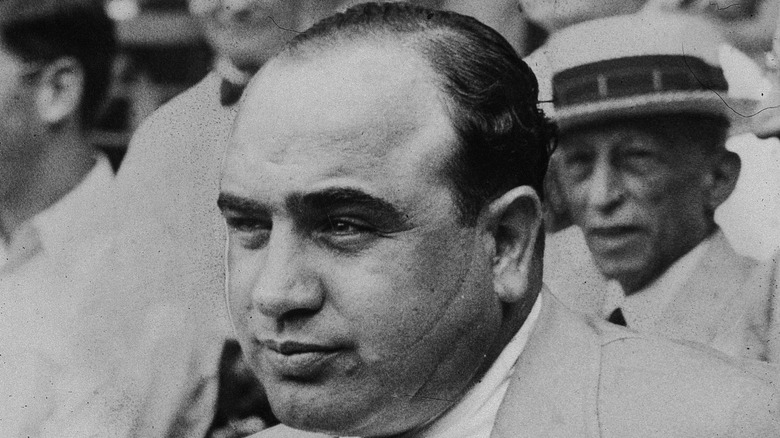
Al Capone was a notorious figure in the world of crime, but he had his good moments. Following the stock market crash in 1929, the Great Depression devastated many individuals, resulting in around 15 million unemployed people in the U.S. alone — more than 500,000 of which were in Chicago. This caused the soaring need for basic necessities, including food. So Al Capone started a soup kitchen.
The new neighborhood addition operated at 935 South State Street in 1930, where three meals a day were provided to anyone who needed it. More than 2,000 people in Chicago relied on it daily. Dishes were simple, yet wholesome: sweet rolls with coffee on the side for breakfast, and soup with bread for lunch and dinner (plus coffee with dinner). It also served holiday specials in 1930, which featured beef stew, and fed 5,000 locals. Considering the foods eaten during the Great Depression, the menu was surely a necessary treat for everyone experiencing the global economic downfall. The soup kitchen closed in 1931 when more people were getting back on their feet. However, its spirit lives on — you can also do something to honor your local community, including donating to food pantries.
Al Capone's soup kitchen
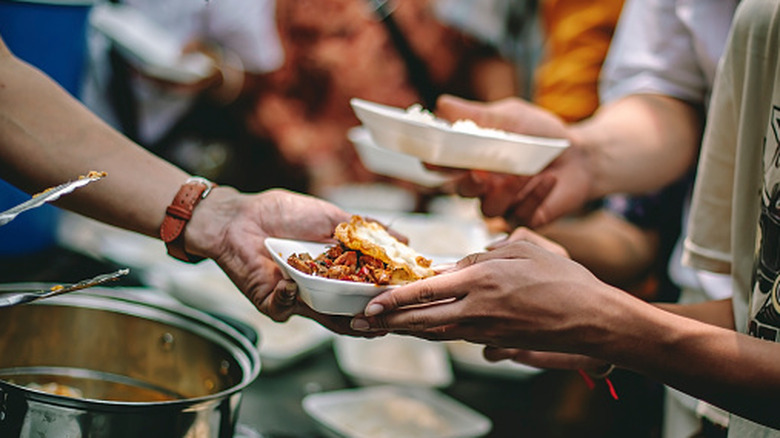
Long lines formed outside 935 South State Street in 1930 with a sign that said "Free soup, coffee, & doughnuts for the unemployed." On a daily basis, meals served at the soup kitchen cost $300, but it was rumored that the mobster took advantage of his power to urge local businesses to provide the food. Even so, the soup kitchen was a saving grace for a lot of people at that time, and was even considered by some to be more helpful than the local government. Everyone was welcome to dine, and even second servings weren't frowned upon.
It's not the only one of its kind in America during the Great Depression, but because of Al Capone's infamous mobster status, one of the first soup kitchens to exist also happens to be one of the most popular ones. But, while there are restaurants where Capone used to frequent, it seemed he was never spotted here himself. Even though every news outlet talked about his involvement, he appeared to stay behind the scenes. It was even known that he didn't really want his name tied to the soup kitchen — though some believe it was a stint to change the public's perception of him — but word about it eventually got out. This remarkable act of generosity became one of Capone's legacies that many still remember today.