

6 Baking Tips Boomers Used
Any time I'm developing a new menu or recipe, I tend to look at old-school cookbooks and cooking shows for inspiration. That typically leads me to one group of people in particular: baby boomers.
Before the world of baking was overshadowed by modern conveniences, cooking show shortcuts, and influencer must-dos, baby boomers often relied on trustworthy tips and techniques passed down by the generations before them. They did not rely on someone behind a screen telling them how to follow a recipe, nor did they need a million different piping tips and cake pans to be the best baker. Baby boomers and the generations before them baked with intuition and muscle memory techniques and tips — and they have shaped how we are baking today. With that being said, here is a list of old-school baking tips that most boomers used while growing up that some people might have forgotten about.
1. Greasing your pan and baking with lard instead of butter or oil
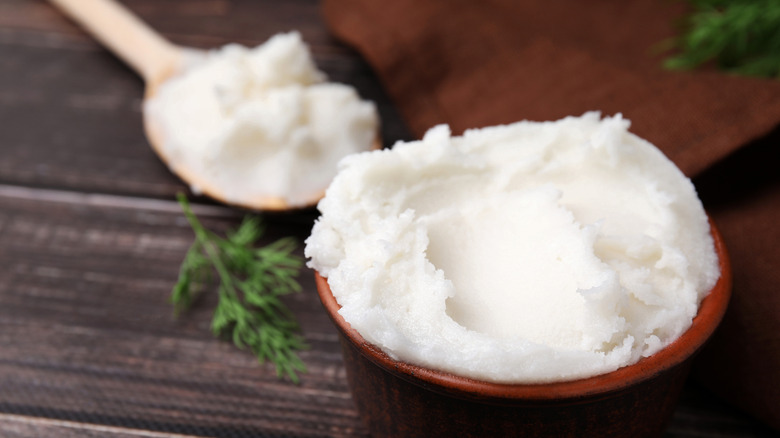
Long before cooking spray dominated the baking scene, lard was the inexpensive go-to pan grease and baking fat. Made from 100% rendered pork fat from the fatty tissue around the pig's shoulder and butt, it was highly regarded for its neutral taste and high smoke point.
Baby boomers commonly used lard as a pan grease since its large, more stable fat molecules create a barrier between the pan and batter, ensuring easy release for breads, biscuits, and cakes. Not only is it an excellent pan grease, but since it contains 100% fat, it creates fewer gluten bonds, allowing it to provide a delicious, flaky, tender texture in baked goods. For years, lard, especially "leaf lard" (lard located around the kidneys and loin), was the top choice for baking fat among boomer bakers, particularly for pies, biscuits, and bread dough.
By the late 20th century, lard was largely pushed out of the baking scene and replaced with shortening, which was heavily marketed at the time as being a "healthy alternative" to its porky counterpart. However, according to a study published in Nutrition & Diabetes, it was found that lard contains significantly less trans fats compared to vegetable shortening. Driven by a renewed appreciation for its ability to provide unmatched texture in baked goods, the use of lard in baking has undergone a subtle resurgence, capitalizing on its status as an all-natural, less processed baking fat.
2. Scalding milk before adding into recipes
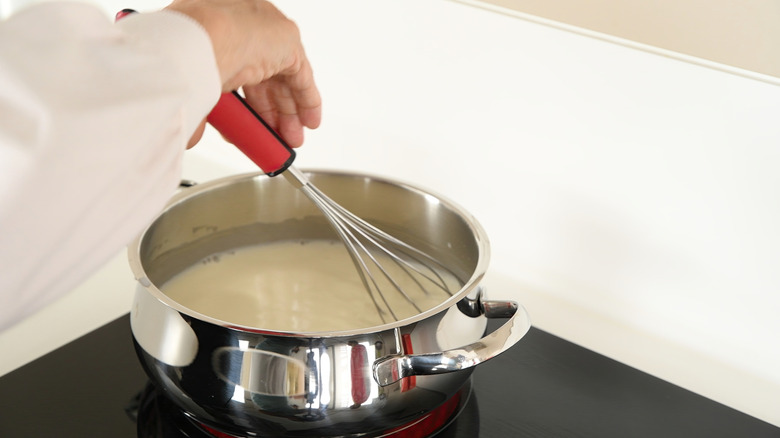
Before pasteurization was adopted, it was common to heat milk over the stove to just below boiling to kill off any harmful bacteria and pathogens before using it. The boomer generation learned this baking tip from their parents and grandparents, who had to scald milk by necessity. By the time boomers were in the kitchen baking, pasteurized milk was widely available, but the technique of scalding milk had been passed down through multiple generations, and it was just second nature.
While pasteurization makes this unnecessary for safety, it is still a commonly used technique amongst bakers and pastry chefs for a multitude of reasons. For starters, it helps to create a tender crumb in breads and enriched doughs. This happens because scalding milk denatures the whey protein molecules, which can weaken gluten development, causing them to rise poorly, creating a denser bread than intended. By scalding it, you deactivate those proteins before they collide with the gluten, allowing the dough to rise adequately. It results in a lighter, more tender loaf. Scalding milk also ensures yeast activities properly, and it helps dissolve sugars and fats more efficiently in enriched doughs.
3. Using shortening in pie dough
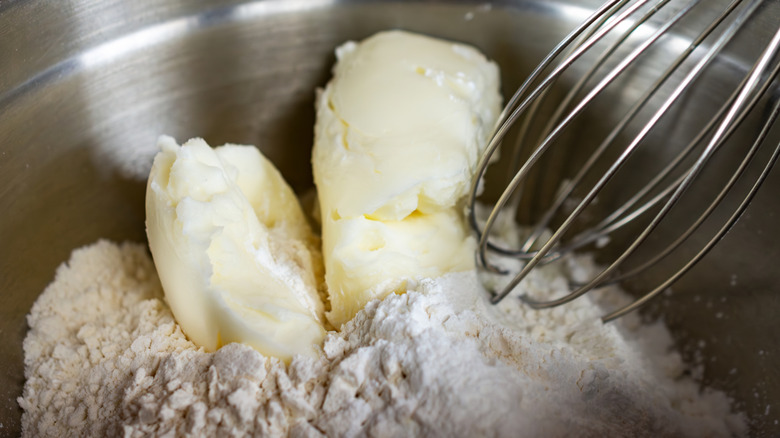
After lard grew less and less popular, shortening turned into the default fat, and boomers began adding it to their pie dough. Beyond its heavily-marketed campaign, the use of shortening in baking grew popular because of its high melting point, making it significantly easier to handle and shape pie dough. Ever wondered how your mom's pie came out picture perfect, like those lattice pies found in those iconic vintage cookbooks? Well, it's largely due to the shortening's ability to stay solid during mixing and kneading, making the dough much easier to handle without melting or turning greasy. Boomers capitalized on the pliability and used it to create intricate designs and perfectly-formed crusts.
While the baking community has largely abandoned shortening due to its health implications, it's hard to deny that it earned its place in the kitchens of baby boomers. If you're looking to make a pie with a beautiful crust and an intricate lattice design, then shortening still gets the job done.
4. Saving and baking with bacon grease
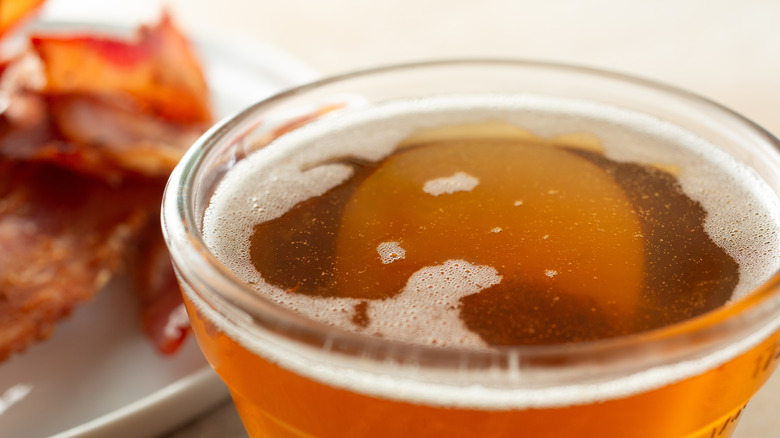
Remember that dish sitting next to the stove that seemed like it was perpetually covered in grease? Well, it wasn't just there for aesthetics, or to get your hands oily when you least expected it. It was bacon grease, a by-product left over from frying bacon that boomers often used as a baking ingredient. While boomers were growing up, "waste not, want not" was the ethos of the home kitchen. It wasn't uncommon to save leftover bacon grease for greasing cake pans and adding a smoky, porky richness to baked goods.
Now, let's get one thing straight: Bacon grease is technically a form of lard. However, lard specifically refers to neutral-flavored rendered pig fat— something that bacon grease lacks. Bacon grease is specifically fat from the belly, which is typically either heavily cured or smoked, resulting in a distinct porky, umami, smoky flavor that you can't get from anything else. Boomers often incorporated this thrifty, no-waste fat into cornbread, biscuits, and pie doughs. It added a lovely tenderness and a salty, savory flavor. So the next time you're whipping up some bacon for breakfast, don't toss the leftover grease in the trash; save it and try using it in your next baking project.
5. Making homemade buttermilk at home instead of buying it
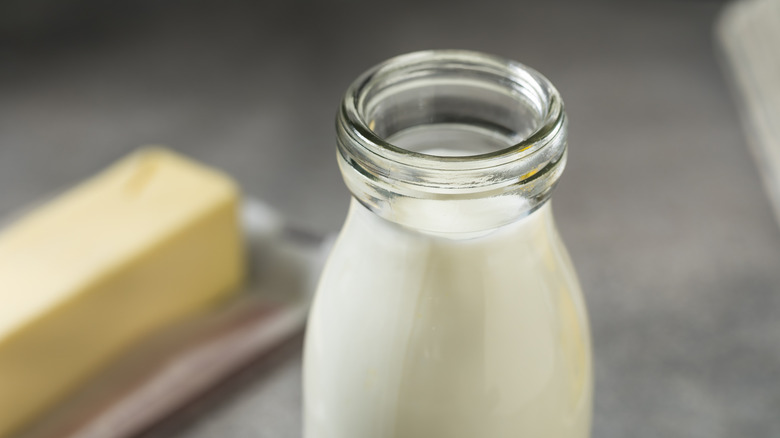
When boomers were growing up, store-bought buttermilk wasn't always a pantry staple. Just like the generations before, they often made it at home instead of buying it — which is a lot easier than you think. For those of you who don't know, traditionally, buttermilk is the tangy, low-fat by-product left over from churning cultured cream into homemade butter. Most modern buttermilk found in grocery stores is cultured or acidic buttermilk, which is made by fermenting low-fat milk with lactic acid bacteria.
While most baby boomers weren't churning butter at home, they used a clever alternative and added a splash of vinegar or lemon juice to milk to mimic it. However, bakers should beware that this hack doesn't technically make real buttermilk. By adding vinegar or lemon juice to milk, the acidification process essentially simulates a tangy, sour flavor and acidic properties of buttermilk.
The acid added to the buttermilk substitution helps to activate the leavening powers in baking soda — so if you're worried that your pancakes or muffins won't rise if you don't use real buttermilk, put your worries to rest. Having said that, the next time you're in a pickle and are having trouble finding real, cultured buttermilk at the grocery store, be like boomers and try this unique workaround.
6. Baking baked goods in cast iron skillets
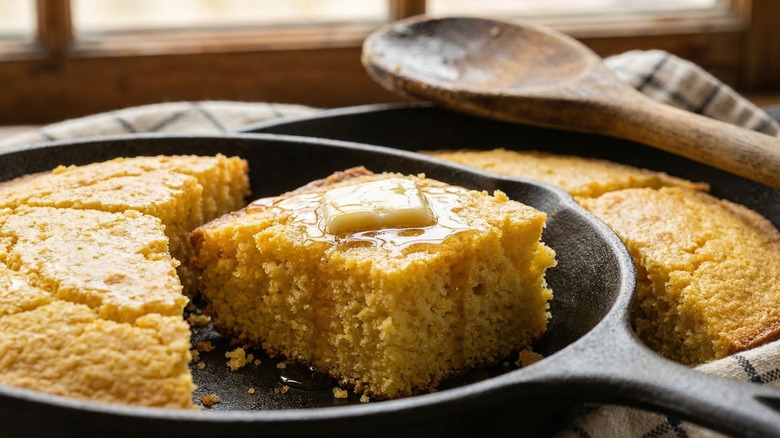
News flash: Cast iron skillets weren't just for cooking on the stovetop. Boomers, and generations before, often put them straight in the oven to bake sweet treats and savory breads until they were golden brown perfection. Baby boomers were raised by parents and grandparents who heavily relied on cast-iron skillets for everyday cooking. Back in the day, they didn't have access to all of the non-stick pots and pans we now have, and as boomers grew with the rise of modern kitchen equipment, many continued to use these well-seasoned skillets.
What makes the cast iron skillets so great for baking is their superior heat retention and even heat distribution, ensuring consistent baking without the worry of hot spots or a runny center. The consistent temperature allows biscuits, cakes, and bread to rise evenly.
The high heat density also provides top-notch browning and creates delicious crispy edges on baked goods like brownies, quiches, and cornbread. Furthermore, a well-seasoned cast-iron skillet will develop an all-natural, chemical-free non-stick coating over time, ensuring all of your cakes and breads don't get stuck to the pan.