

10 Cooking Myths It's Time To Stop Believing Once And For All

Cooking is a science, and as a result, it's full of "rules" — some are helpful, some are questionable, and some have been passed down for so long that no one really stops to ask whether they're true. Whether it's advice handed down by family members or tips picked up from viral social media posts, it's easy for certain kitchen habits and hacks to take on a life of their own. The only problem is that not all of these rules are rooted in fact.
Often, these cooking myths start with a little bit of truth. But older techniques, outdated science, or even just misunderstandings of how food works can turn into blanket statements that don't hold up anymore. Others stick around because on the surface, they sound logical, like the idea that rinsing something makes it cleaner, or more heat automatically means safer food. And once these ideas become widespread, common knowledge, they can be hard to shake, even when modern research and food science disproves them.
Of course, not every old-school tip is wrong, but it's always good to take a closer look at the things we don't normally question. In some cases, these myths can lead to less flavor, wasted effort, or even unsafe kitchen practices. We've rounded up some of the most common and pervasive cooking myths of today so you can find out what really works and make your meals shine.
1. Myth: Searing meat locks in juices
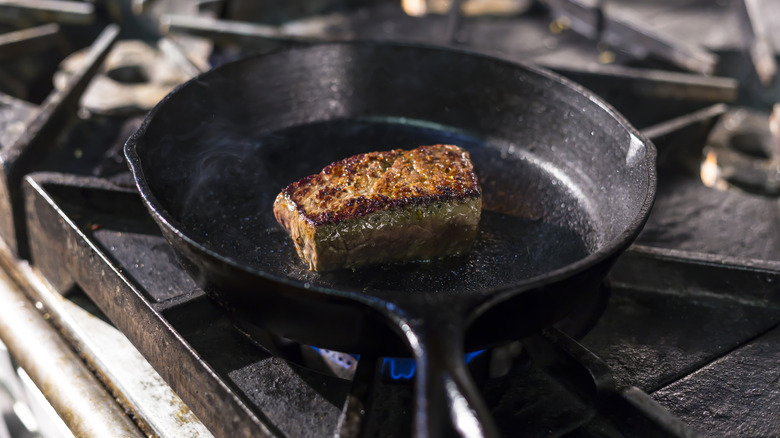
If you've ever been told that searing meats, especially steaks, helps to lock in the juices, you're definitely not alone. It's probably one of — if not the — most common cooking myths out there. But, despite how many times you've probably heard it, it's just not true. Searing meat, which is done by browning the surface of the cut quickly over high heat, does not create a waterproof barrier that traps moisture inside. This myth dates back to at least the 19th century, but modern food science has long since debunked it. All meat loses liquid as it cooks, whether you're searing it or not, because the simple act of heating meat causes the moisture inside to evaporate.
But there are benefits to searing meat. Searing triggers something called a Maillard reaction, which creates a flavorful, brown crust on the surface of your meat. If you know how to pan sear steak properly, the searing can really enhance the taste and texture. However, it's not going to seal anything in, and your meat can still become overcooked and dry after searing if you're not careful. If anything, think of searing as being about flavor, not moisture –- and maybe invest in a meat thermometer to prevent dryness and overcooking.
2. Myth: Alcohol cooks out of food
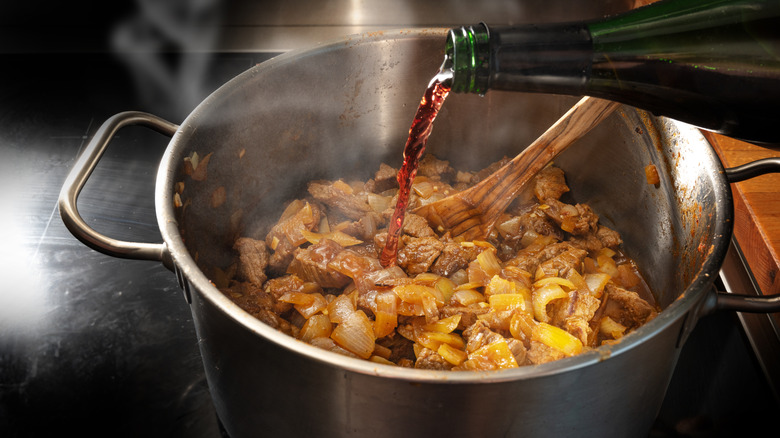
This myth is a nice idea, especially if you're someone who prefers to avoid alcohol: Cook with wine, beer, or liquor, and the alcohol will disappear, leaving just some of the taste behind to enhance flavor. Unfortunately, that's not how chemistry (or is it physics?) works. Cooking a dish with alcohol does reduce some of the alcohol content, but to eliminate it completely, you would have to cook the dish for a very long time. Research incorporated into the U.S. Department of Agriculture (USDA) nutrient retention factors table shows that, even after simmering alcohol for 15 minutes, about 40% of it remains. That number goes down the longer you cook, but it takes hours to even get close to fully removing it.
What may be surprising is that the type of dish you're making also matters. Alcohol behaves differently in food depending on not just cooking time, but also the ingredients, temperature, and even the surface area of the pan. For example, ingredients containing fat and sugar can slow evaporation, while things like rice and pasta can absorb the alcohol, making it more difficult to cook out. Additionally, a quick pan sauce or flambe will retain more alcohol than a stew that's been simmering for hours.
That doesn't mean you should avoid cooking with alcohol altogether though; it adds depth, acidity, and a complexity that is hard to get from other ingredients. Just make sure that you follow tips for cooking with wine or other alcohol. But if you're avoiding alcohol for any particular reason, whether religious, dietary, or something else, it's worth understanding that alcohol doesn't really "cook off" the way many recipes suggest.
3. Myth: Wash your chicken to remove bacteria
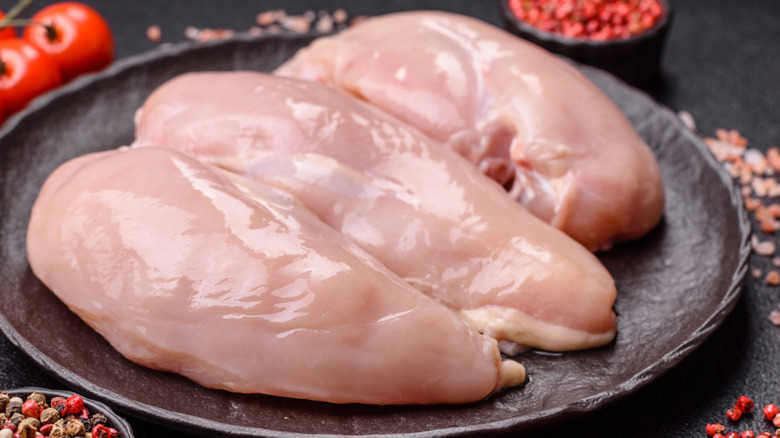
Raw chicken is notorious for harboring dangerous bacteria, such as salmonella and campylobacter, so washing your chicken may seem like a good idea –- after all, washing usually makes things cleaner, right? But unfortunately, washing poultry can end up making the rest of your kitchen dirtier. Rinsing raw chicken under your tap can end up spreading that bacteria all over your kitchen, including your sink, countertops, utensils, and even nearby food. Those tiny droplets of microbe-filled water are hard to see, but they can travel surprisingly far.
And those bacteria are no joke, either; there's a reason they've led to some of the biggest food recalls in U.S. history. Salmonella, for example, can cause diarrhea, fever, and stomach cramps, while campylobacter can lead to similar symptoms and, in some cases, more severe complications. Washing your kitchen doesn't eliminate these risks, it just moves them around. In fact, the USDA specifically advises against washing raw poultry because of how easily it can contaminate your kitchen.
The good news is that you don't need to wash your chicken to make it safe. Cooking it to the proper internal temperature -– 165 degrees Fahrenheit for poultry –- kills harmful bacteria. Pair that with smart food safety habits, such as washing your hands, using separate cutting boards for raw meat, and sanitizing surfaces, and you'll be protecting yourself far better than you would by washing the chicken.
4. Myth: Overcooking makes food safe
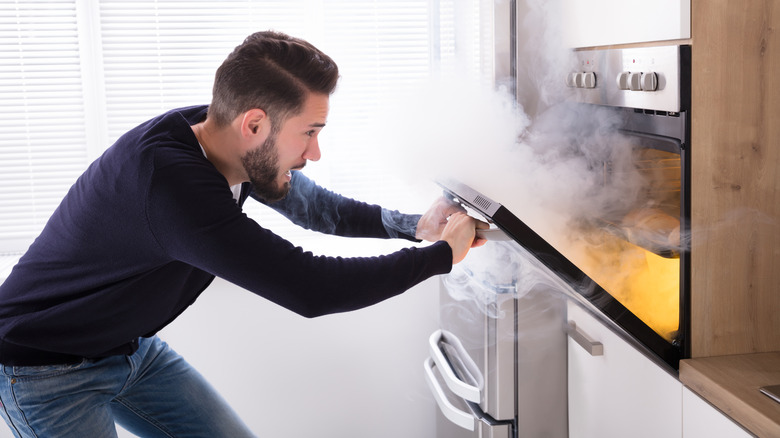
It kind of makes sense: If cooking food to a certain temperature kills bacteria, then cooking food above that temperature really kills the bacteria, right? But that's not really how food safety works. You don't need to cook food into oblivion to make it safe to eat. What actually matters is hitting the correct internal temperature. Poultry should reach a minimum of 165 degrees Fahrenheit, while ground meats should reach at least 160 degrees Fahrenheit. The Centers for Disease Control and Prevention offers a chart of safe temperatures, and using a meat thermometer will help you ensure your food is safe.
Overcooking might give you peace of mind, but it doesn't fix other types of food safety issues, and in some cases, those are the bigger problem. For example, cross-contamination can occur when raw meat touches utensils, surfaces, or cooked food. Improper storage, such as leaving food out for too long or not refrigerating it right away, can also allow harmful bacteria to grow, even if your food is cooked thoroughly.
Essentially, a well-done steak or charred chicken breast isn't automatically safe to eat. If it's been mishandled, contaminated, stored incorrectly, or subjected to other everyday food safety mistakes, it can still pose a threat. The key to food safety isn't in overcooking; it's in following proper handling, storage, and cooking guidelines when you're in the kitchen.
5. Myth: Test steak doneness with the palm of your hand
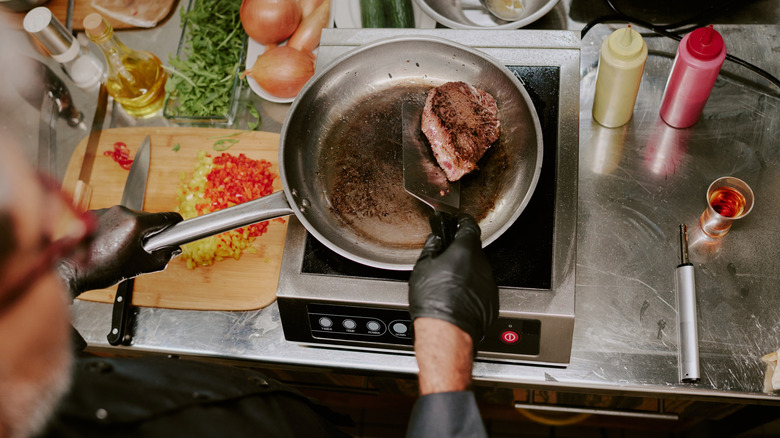
The so-called "finger test" is a cooking hack that's been circling the internet for years. And while some chefs swear by this method to gauge how done your steak is, the truth is that it's far from reliable, especially if you're not already experienced in it. The idea is that you can compare the firmness of your palm at different points to the firmness of the meat to determine how done it is. This problem with this method is there's a lot of variation at play. Everyone's hands are different, as are cuts of meat, and factors such as muscle tone, thickness, and even how hard you press can result in inconsistent results.
Now, seasoned cooks who use this method often may find it helpful, but even they disagree on how accurate it is. It can be even harder for home cooks, who aren't accustomed to understanding how their specific palms correlate to the doneness of their meat. In general, this method can give you a rough estimate, but "close enough" isn't always good enough, especially when you're trying for a perfect medium-rare steak. The better option is to use a meat thermometer. It takes out the guesswork and gives you an accurate internal temperature every time.
6. Myth: Boiling meats prevent them from drying out
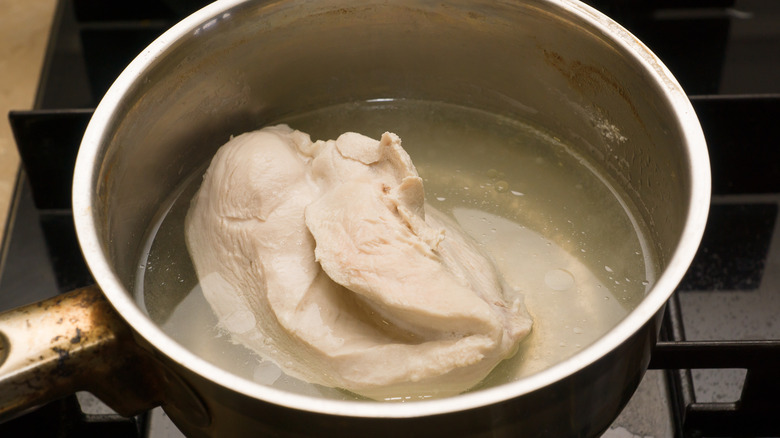
We mentioned earlier that your meat can become overcooked and dry regardless of what method you use, and that includes boiling. It's easy to assume that cooking meat in water would keep it juicy. After all, how can something submerged in liquid dry out? But unfortunately, boiling can dry meat out just as easily as other cooking methods if you're not careful.
When meat is exposed to high heat, even in water, it can lose a lot of its natural juices. See, as meat cooks, its muscle fibers contract, which squeezes out moisture, which is why overcooked meat ends up tough and dry. Additionally, as meat cooks, the connective tissue around the muscle turns to a gelatin, but if the temperature gets too high, this gelatin bursts, which also causes meat to dry out. This can happen no matter what cooking method you're using. Boiling doesn't stop it — it just changes the environment you're cooking in.
This doesn't mean boiling is a bad choice for chicken. In fact, it's a great option for soups, stews, and shredded meat where you want the chicken to be both shredded and flavorful. Just know that it's not a magic fix for dryness or toughness. To keep meat juicy, it's more important to control temperature to avoid overcooking and to use the right cooking method for the cut of meat you're using and the dish you're making.
7. Myth: Add salt to water to speed up boiling
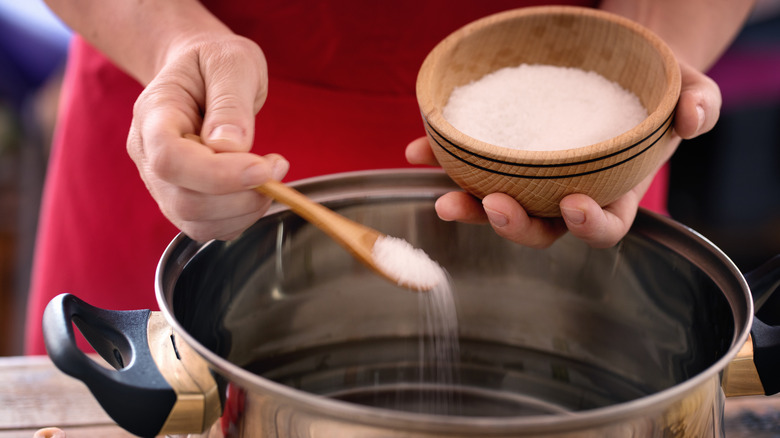
The concept of adding salt to water to help water boil faster sounds scientific enough that you might not question it, but this myth doesn't quite hold up. In fact, adding salt to water actually raises the boiling point, meaning that the water needs to reach a higher temperature to boil. As a result, salt water actually takes longer than plain water to reach a boil. Now, the change in time is so minute you probably won't notice it, but technically speaking, adding salt to water slows boiling; it doesn't speed it up.
So, if that's the case, why do so many recipes tell you to salt your water? It has nothing to do with speed -– it's about flavor. Salt is crucial for enhancing certain flavors, especially in savory dishes. When you're boiling things that absorb water, such as pasta, potatoes, and vegetables, adding salt will help them become more flavorful. When it comes to pasta, specifically, adding salt enhances the flavor of the pasta water.
You may have heard pasta water referred to as "liquid gold." While this may be an exaggeration, adding a little bit of pasta water to your sauces helps thicken the sauce and allows it to cling to the noodles better. Salted pasta water will add just a little extra punch of flavor to that sauce -– just make sure you use the correct amount of salt for your pasta water.
8. Myth: Use oil to keep noodles from sticking and rinse pasta
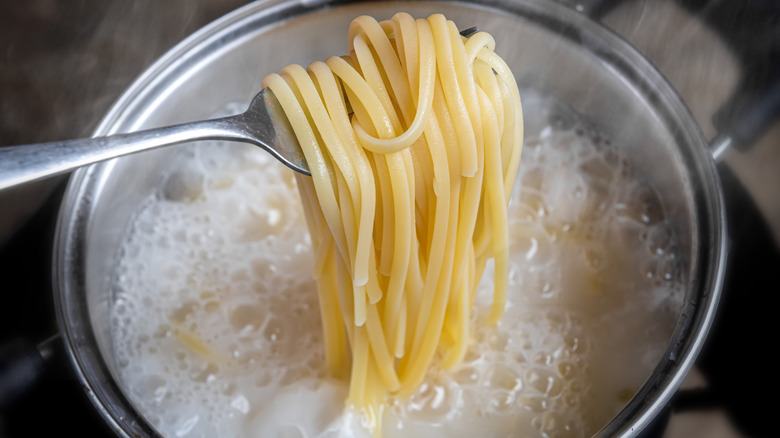
This is another myth that makes sense on the surface (no pun intended ... you'll see): Oil is slippery, so it seems that adding oil to pasta water would keep the pasta from sticking together. And since this is a habit that's been passed down for generations, many people never think twice about it. But if you go back to elementary science, you may remember that oil and water don't mix. As a result, when you add oil to pasta water, it just floats on the surface. That means it doesn't coat the noodles, and it doesn't prevent them from sticking. Now oil can have some benefits, like preventing the pot from boiling over, but it won't keep your pasta from sticking together. Oil can even make it more difficult for the sauce to cling properly.
So, is there anything that does help unstick noodles? Actually, yes. Stirring your pasta, especially in the first minute or two of cooking, is a far more effective way to prevent sticking. The first few minutes are when starches are being released and when the noodles are most likely to clump together. And using enough water and the right size pot gives the pasta enough room to move around, which also prevents sticking.
But what about rinsing pasta? This one is hotly debated because it actually does work to unstick your pasta. However, rinsing can also remove the starch on the surface, which makes it harder for the pasta sauce to stick to your noodles. That being said, some noodles do actually benefit from a good rinse, like those being used in cold dishes, as rinsing can improve the texture.
9. Myth: Cooking vegetables destroys nutrients
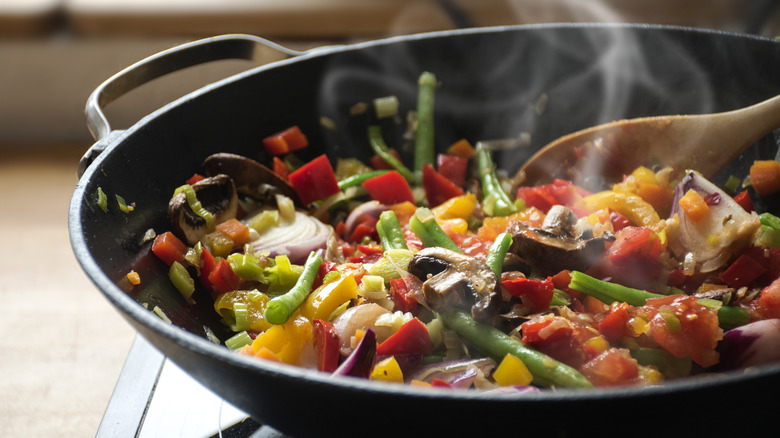
How to eat vegetables seems to be one of the most hotly debated topics in the world of nutrition. Some say that fresh, raw vegetables are the way to go and that freezing or cooking saps the nutrients. But the truth is, frozen and canned vegetables are both healthy and still retain most of their health benefits. And cooking doesn't kill nutrients either ... although it's a little more complicated.
In truth, some vitamins, particularly water-soluble ones such as vitamin C and some B vitamins, can decrease a little bit with common cooking methods. However, cooking can also improve the availability of some nutrients. Heat breaks down tough plant cell walls, which makes compounds such as antioxidants much easier for your body to absorb. As a result, cooking veggies such as carrots, tomatoes, and spinach actually enhances their nutritional benefits instead of destroying them.
The method of cooking you use also makes a difference. Boiling can cause some nutrients to leach into the water, causing more loss, while steaming, roasting, or microwaving is better at preserving them. Even then, those "lost" nutrients are still in the water, which can be used in things like soups and sauces.
At the end of the day, both raw and cooked vegetables have their benefits, and you're not going to completely destroy the nutrients in your veggies no matter how you eat them. So the most important thing isn't how you prepare them ... it's that you're eating them in the first place.
10. Myth: Don't wash cast iron with soap
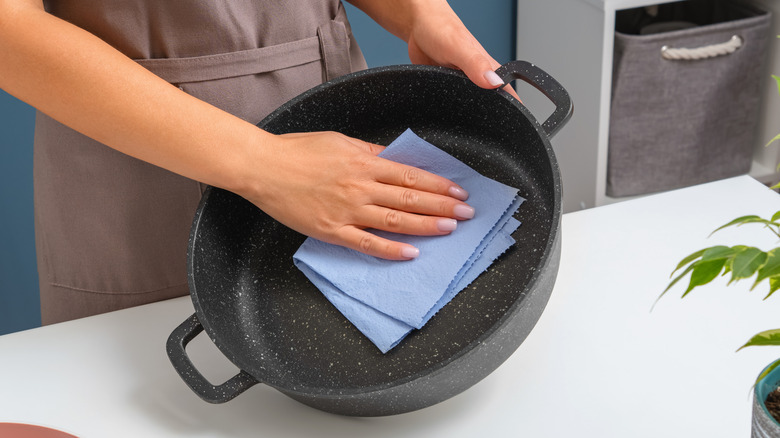
For years, owners of cast iron pans have had the rule drilled into them: Never, ever clean your pan with soap. However, modern cooking experts agree that this isn't so much the case anymore. While you still don't want to soak your pan or use harsh, abrasive cleaners, a little mild dish soap is perfectly safe.
The confusion likely comes from how cast iron seasoning works. That slick, nonstick surface isn't just leftover grease, it's a layer of polymerized oil that is bonded to the pan. Older soaps, which often contained caustic materials such as lye, were much harsher and could strip that layer away. That's where the idea of avoiding soap came from. Today's dish soaps, however, are much gentler and won't ruin a well-seasoned pan when used properly (check out our guide on the best and worst ways to clean your cast iron skillet to learn more).
Additionally, skipping soap altogether can sometimes leave behind stuck-on food or residue, so using a small amount of soap when necessary can actually help keep your pan in better shape. What really matters is how you care for your cast iron skillet after you wash it. Make sure to dry it thoroughly to prevent rust from forming and consider applying a light coat of oil to help maintain the seasoning.