

Why Some Brands Won't Ever Partner With Costco
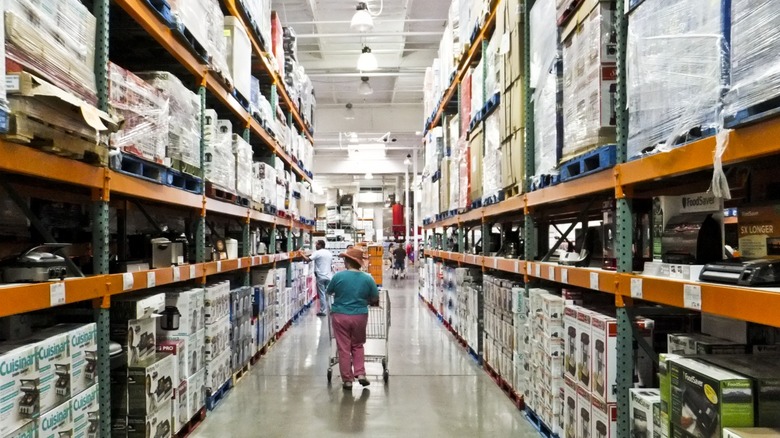
Costco has built up a massive following thanks to its bulk deals and great prices on items from clothing and outdoor gadgets to appliances and groceries. The wholesale club's headquarters-inspired Kirkland Signature brand is the most prominent presence in every store, but regular shoppers are used to spotting big names like KitchenAid, Kohler, and LG. Look closer, though, and you'll notice that there are some brands you'll never find at Costco — no matter which location you visit.
That's because Costco has a surprisingly complex relationship with outside brands and famously high quality standards for those it works with. There are also cases where Costco has dropped brands due to performance or severed ties due to controversy — like when the store dropped Chaokoh coconut milk over reports of the brand using unethical monkey labor or when Palmetto cheese was taken off store shelves after its founder made controversial social media posts. Still, it's Costco's focus on its own in-store brand that has resulted in diminishing outside brand presence and may make some big names reluctant or simply ineligible to work with the popular warehouse retailer.
It's tough to compete with the Kirkland Signature brand
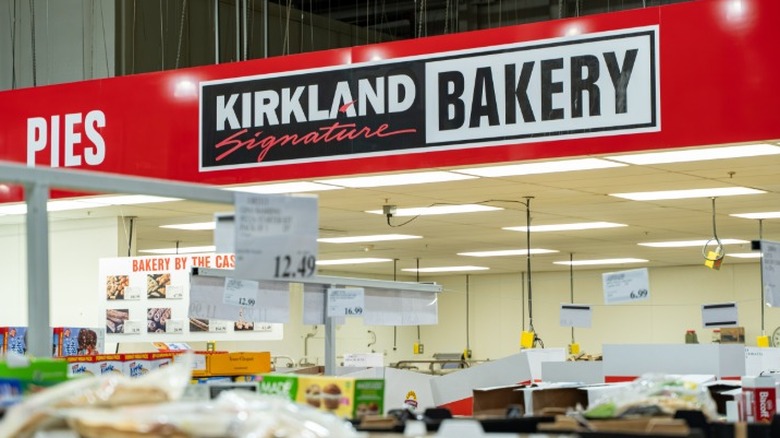
One of the biggest reasons you won't see a lot of other brands at Costco is that the store has placed a larger focus on its Kirkland Signature label over the years, leaving less shelf space for outsiders. Costco got its start in the 1970s, selling other brand products in bulk, but that changed 30 years ago when the first two Kirkland Signature products were launched in 1995. The store brand has grown considerably since, becoming a powerhouse that now accounts for a quarter of Costco's revenue, with Kirkland Products bringing in billions in profit every year. Additionally, many big-name brands are actually the companies behind Kirkland Signature products. For example, Costco brand wines come from a variety of established vintners out of California and other well-known wine regions of the world.
Also worth noting is Costco's marketing plan, which may appear minimal considering the lack of big public advertising campaigns, but is actually quite strategic. In addition to requiring shopper memberships (thus ensuring only people actually motivated to buy are entering the store), the Kirkland brand generally isn't sold elsewhere, which makes it feel more exclusive.
Costco's shoppers prioritize value over brand labels
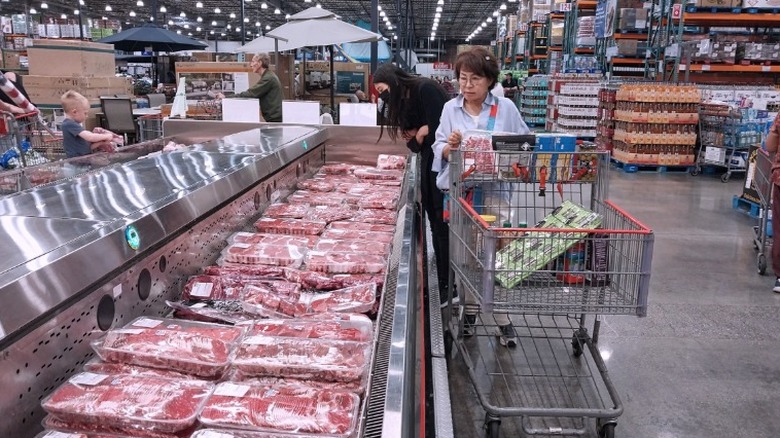
While a well-known brand may easily fetch customers at other stores, the whole point of being a Costco member is to get value, not name brands. Because of this — combined with the fact that Costco has a limited assortment for each type of product — even the big-name brands that do have a place on Costco shelves often have to sell at lower profit margins. For example, a 24-pack of San Pellegrino Sparkling water sells for between $18.94 and $24.69 at Costco. The same amount costs anywhere between $27.98 and $35.76 or more at grocery stores. With appliances, the difference is even bigger: a Cuisinart Barista Bar coffee maker retails for $249.99 at Costco but is listed for $379.95 on the Cuisinart website.
Of course, it's still the similar Kirkland Signature products that can drive an even bigger wedge between the retailer and outside brands. In 2025, for instance, Lululemon, which has never partnered with Costco, filed suit against the store over alleged dupes of its popular apparel under the Kirkland Signature label. The result of the suit has yet to be determined as of February 2026, but, if successful, it could pave the way for more legal challenges by outside brands dissatisfied with Costco's practices.