

6 Mistakes To Avoid When Cooking Oxtail
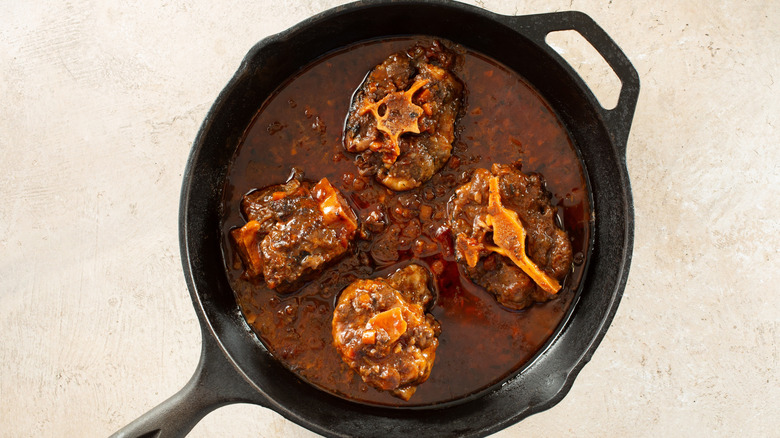
Good news: Oxtail has become popular again! Well, it actually never went out of style since restaurants around the globe have been using this prime cut of meat for a while now. However, there's been a resurgence in trendy restaurants and home cooks' grocery carts here in the States. This delectable cut has been favored by creative chefs for its high levels of collagen, fat, and marrow content. When it's cooked low and slow for a few hours, the collagen and fat break down into an incredibly melt-in-your-mouth texture with an intense beefy, savory flavor.
After nearly a decade of working in professional kitchens around the world, I've watched skilled peers turn the humble cut into an irresistible bite, while, on the other hand, home cooks struggle with common issues like failing to trim excess fat, cooking at too high temperatures, and, most importantly, not cooking it long enough. This unique cut needs patience and precision — in order to achieve that mouthwatering texture, you should look out for these six mistakes to avoid when cooking oxtails.
1. Mistake: Not cooking it long enough
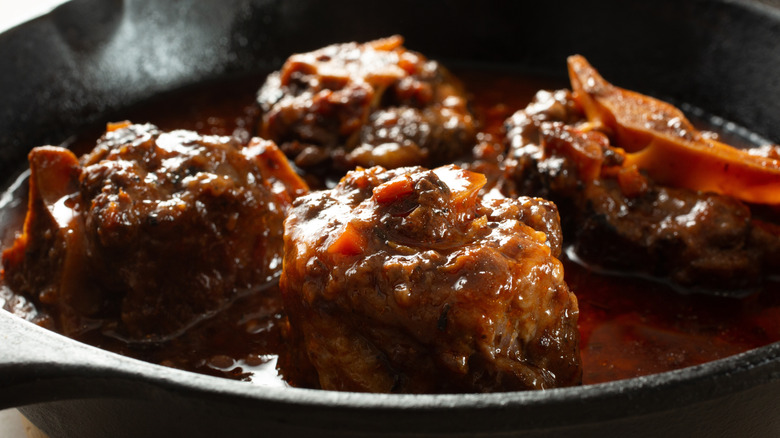
Oxtail is one of the toughest cuts out there, and not cooking it long enough could easily ruin the dish, resulting in a tough, dry, rubbery meat that clings tightly to the bone. In order to get the melt-in-your-mouth consistency you find at Michelin-starred restaurants, oxtails have to be cooked long enough (usually 3 to 4 hours) for the high volume of collagen to break down into gelatin. If you don't, the flavor of the dish will be significantly underdeveloped since the rich bone marrow and fat won't have enough time to melt and infuse into your sauce, leaving the oxtails and the sauce practically flavorless.
If you're in a rush, you can use a pressure cooker and cut the cooking time down to about 80 to 90 minutes; however, keep in mind that the high-pressure, enclosed environment can make for a loss in flavor compared to the browning and reduction that happens when cooked low and slow in the oven. Not browning the meat and reducing braising liquid until a thick, luscious sauce can turn your oxtails from tasting like a restaurant-quality dish to a pot of sad, tasteless meat.
2. Mistake: Cooking at too high a temperature
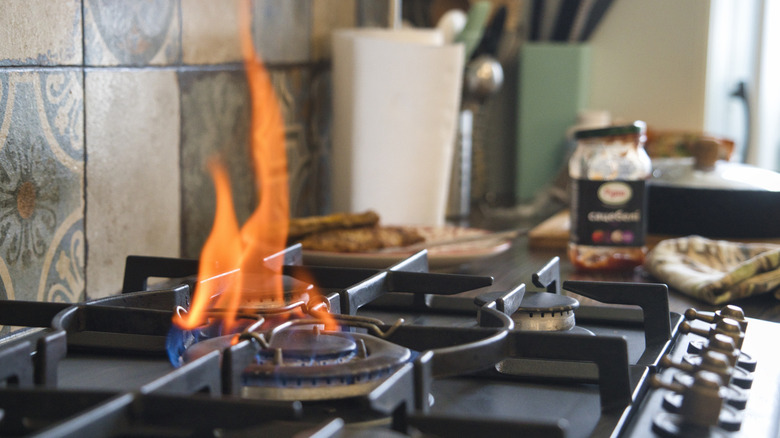
When oxtails are cooked at too high a temperature, it causes the muscle fibers to denature and tighten quickly, resulting in a tough, chewy, dry texture that will have your dinner guests running for the hills. Since oxtails are a super tough meat rich in connective tissue and collagen, it's best to cook them low and slow to achieve a scrumptious melt-in-your-mouth texture. Not only will cooking them at too high a temperate make your meat basically inedible, but it could potentially scorch your braising liquid, leaving you with a burnt, unappetizing sauce.
Often, oxtails are braised in a sturdy, heavy-bottomed pot at a temperature between 300 and 375 degrees Fahrenheit for around 3 to 4 hours, allowing the meat to break down and create an incredibly tender texture and a savory, flavorful braising liquid. This process isn't meant to be rushed whatsoever. Delicious dishes in the kitchen sometimes take a bit of time and patience to get them on the table — and it's especially well worth the wait if you're cooking a mouthwatering cut like the oxtail.
3. Mistake: Not seasoning properly between steps
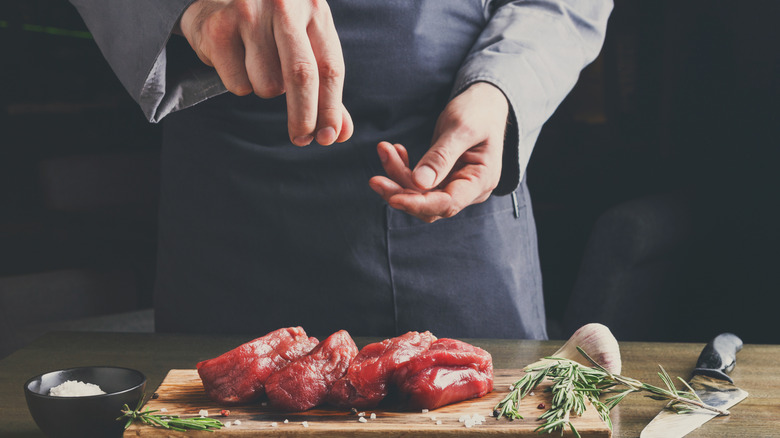
One of the most crucial and often overlooked steps is seasoning your oxtail properly between each cooking stage. It seems like cooking shows and food media personas have thoroughly ingrained that you must season your meat heavily before cooking — and while this is most definitely true and should be followed, what most people forget is that you should also be seasoning in between each step. Whether that's adding a sprinkle of salt while your sofritto is reducing or grinding some fresh black pepper when you bloom your aromatics, properly seasoning the oxtail will give you the best results.
Of course, before browning, heavily season your oxtails in salt with about 2 teaspoons per pound, then taste and adjust the flavor again halfway through cooking and at the end. The long cooking time for oxtail means you'll need to taste and adjust the seasoning a few times to ensure a balanced flavor throughout.
Not to sound like a broken record, but seasoning oxtails doesn't just stop at sea salt and ground black pepper — any time you're making a braised meat dish, toss in some sturdy aromatics and spices like whole garlic cloves, bay leaves, shallots, cumin, cinnamon sticks, cloves, and leftover Parmesan rinds to add some additional flavor. You can also add a splash of white vinegar or lemon juice once it's finished braising to help balance the richness of the meat.
4. Mistake: Failing to deglaze the pan
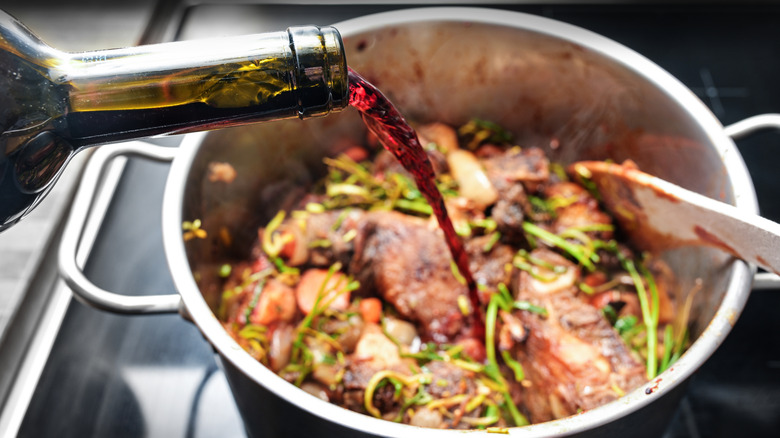
Imagine this: You've spent all day grocery shopping, chopped up all your ingredients, let your aromatics sauté until translucent, seared your oxtails until golden brown, then you toss everything back into the pot and set it in the oven for the next 3 to 4 hours. The missing step? Deglazing.
After browning, you have to make sure to always deglaze with a splash of wine, stock, vinegar, broth, or even water to lift all those flavorful fond leftovers from searing your oxtails. For those of you who don't know, the fond is the caramelized, browned bits of meat or vegetables stuck to the bottom of the pan after searing or roasting. If you want to use these scrumptious bits of flavor to your advantage, pour in a splash of liquid, then let it simmer and reduce by half while scraping off any leftover fond with a wooden spoon. After it's reduced, add the rest of your braising liquid, toss in your oxtails and vegetables, bring it to a boil, then cover it and place it in the oven to braise.
This is where a lot of your dish's caramelized depth comes from, so skipping this step can lead to a dish that's lacking in flavor. If the fond has burned on the bottom of your pan, scrape it out and discard it to avoid it giving the dish a bitter flavor.
5. Mistake: Not trimming excess fat
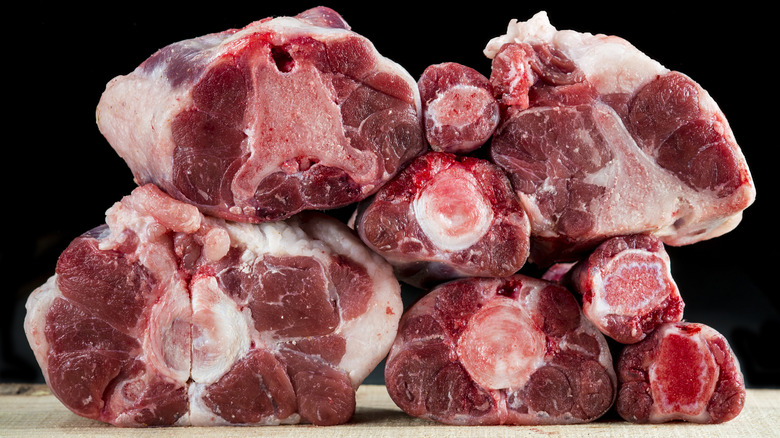
Another mistake many home cooks make when whipping up some oxtails is not trimming off the excess fat. For those of you unfamiliar with the cut, oxtails are notorious for having a thick outer layer of fat that won't fully render off during cooking. While they do benefit from their high fat content to produce a rich, collagen-packed braising liquid, removing the excess fat ensures the liquid becomes a luscious sauce rather than a greasy, fat-riddled gravy.
Before seasoning and browning, trim some of the outer layer beforehand or ask your butcher to slice off any excess fat. Don't want to waste the leftover bits of trimmed fat? Save the scraps and render them down to make what's known as "liquid gold" in the culinary industry: tallow. Tallow can be used for any high-heat cooking, including sautéing, searing, roasting, and deep-frying. It can also be used as a substitute for butter and shortening in pie crusts, biscuits, and savory pastries.
6. Mistake: Skipping browning the meat in the beginning
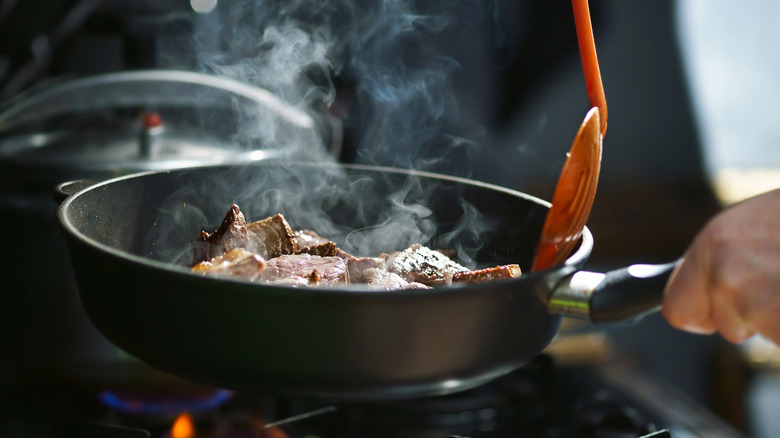
It's important to brown your oxtails in the beginning to start building a deep, savory base of flavor through the Maillard reaction, which occurs when intense heat causes the amino acids and sugars in the meat to caramelize, creating a complex, salty, caramelized flavor. Not only does browning the meat create the fond on the bottom of the pan, but it also makes a golden brown crust that helps maintain its structure and gives the braising liquid its dark brown color.
Make sure your oxtails are completely dry and heavily salted before they hit the pan, since any moisture on the meat or the pan will prevent it from browning evenly. Furthermore, blast your Dutch oven or skillet on high heat before searing them and avoid overcrowding the pan — you want a good sizzle, not a steam. To take it a step further, you can add a weight or a heavy pan on top of the oxtails while browning to ensure its whole surface area is touching the pan. Ideally, the oxtails should be seared for 3 to 4 minutes on each side over medium-high heat in a well-oiled pan. When you are ready to flip the oxtails, they will easily release from the pan with a quick scrape with a spatula.