

3 Egg Brands To Always Buy And 2 To Avoid, Based On Reviews
We may receive a commission on purchases made from links.
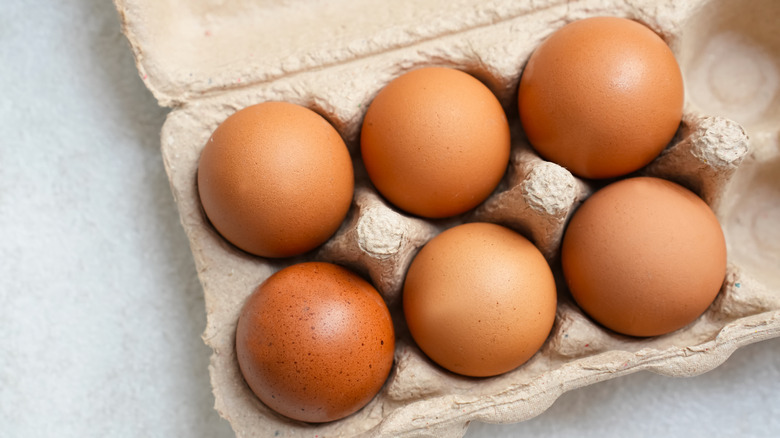
I can see it now: You're standing in the egg aisle. There are 30 different options, packed in styrofoam, plastic, and cardboard, and each one is making its best attempt to sound eco-friendly, humane, and, not to mention, high-quality eggs. Making sure they're not broken should be our only job, right? Well, when you're sorting through all the brands, wondering which packaging is best for the environment, which farms treat animals decently, and what all those dang words actually mean, it can be tempting to just close your eyes and choose as the list of things you're considering gets longer and longer. And what about white versus brown eggs? Or, maybe you're the type to stand on the other side of the aisle and look up the difference between cage-free and free-range eggs.
I've been there. In an effort to shed some light on the subject and keep our egg-related stress at bay, I've browsed reviews, checked websites, and defined the terms so you can choose your next dozen eggs in peace. Whether you're trying to elevate your dorm room breakfast, perfect your hard-boiled eggs, or streamline your morning meal prep, some brands have your back and others, not so much. Read on to see which four brands are worth cracking open and which three you can probably avoid.
Buy: Happy Egg Co.
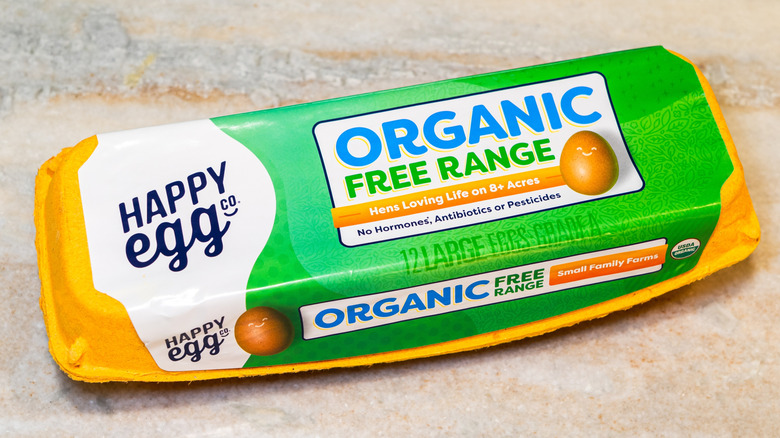
Happy Egg Co. doesn't play games when it comes to sharing facts and figures about its farms and how it raises its hens. This was the first green flag I identified with this brand. Almost all the information you could possibly want is laid out on its website, with clear numbers and links to learn more about its farms, the types of chickens that produce each egg, and the thing that confuses us all: egg buzzwords and categorization.
Happy Egg Co. operates through a network of over 130 humane-certified family farms across the Midwest, ensuring that each one operates to its environmental and ethical standards. Hens are required to have at least 21.8 square feet of outdoor space to roam, with at least eight acres of space total on each farm.
As for products, it only sells heritage, pasture-raised, organic, free-range eggs — it doesn't even sell cage-free. Overall, Happy Egg Co.'s commitment to environmental and current humane standards, as well as its willingness to be very forthcoming with information, puts this brand squarely on the "Buy" list.
Avoid: Marketside Eggs
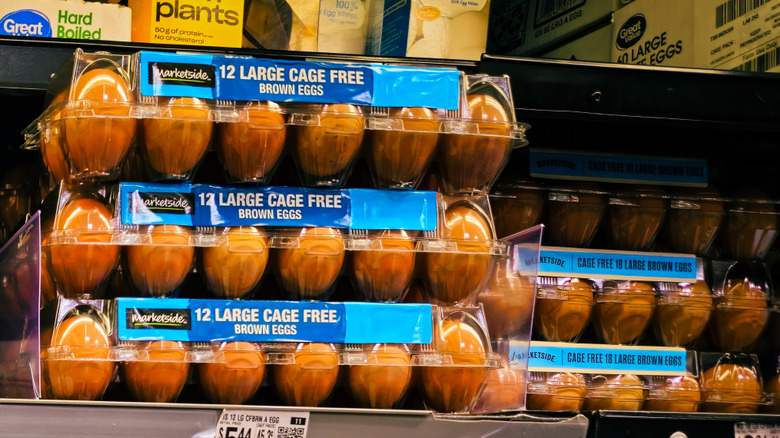
Marketside Eggs, sold exclusively by Walmart, does not have its own website. Information on the brand's quality can only be found in product descriptions on Walmart's website and in reviews — which, quite frankly, is already telling. Especially given Walmart's recent controversy, it hasn't exactly earned our trust. Brands often boast about what they do well and use vague language to obscure the details about what they don't.
The item's features on the Walmart website list mostly nutritional facts and mention the shelf life. The product page also states that the eggs are "Organic Grade A & USDA Certified organic" and "Hens free to roam, nest, and perch in a protected barn," with no further elaboration on square footage or other details. Given these omissions and the brand's lack of transparency, one could assume the standards are met only to the bare minimum.
For this brand, reviews played an important role because there was little other available information, and it had the lowest ratings by far. Customers complained about flimsy packaging that did not protect the eggs during transit, and, unsurprisingly, many eggs were broken.
Buy: Vital Farms
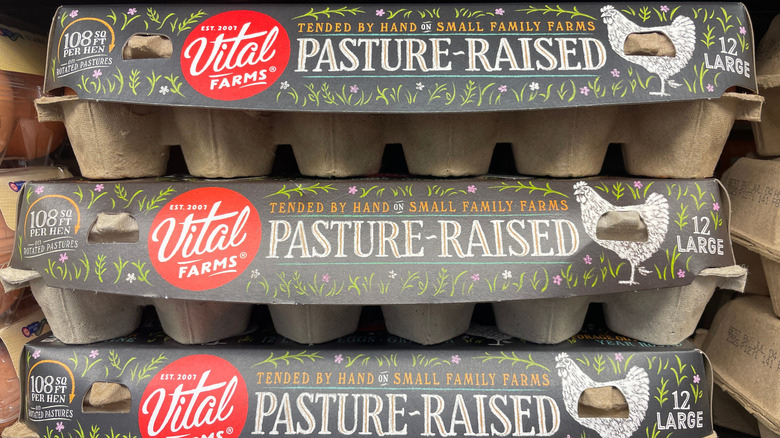
As soon as you open the Vital Farms website, you're met with the statement that the company is "Bringing ethical food to the table", which I appreciated, but it took a deeper look to see if that was just marketing language. As you scroll, you see the brand's commitment to ethical production and distribution. Beneath that, there's a section where you can track your eggs from the carton to the farm where they were laid. If you don't have a carton and still want to view one of the farms, there's a section for that too.
Vital Farms sells pasture-raised and organic pasture-raised, heirloom eggs, and what it calls restorative eggs, which are laid on farms using regenerative agriculture methods. Not to mention, Vital Farms are USDA Certified Organic, and each hen has 108 square feet of room to roam. These methods are less common in American agricultural practices and require more commitment to planning and an investment in the health of future farms. The fact that Vital Farms cares about these initiatives is a huge green flag. Vital Farms is also a B-Certified corporation, which means that it is a for-profit company that has proven that it is committed to using its profits for environmental, social, and economic good.
Avoid: Eggland's Best
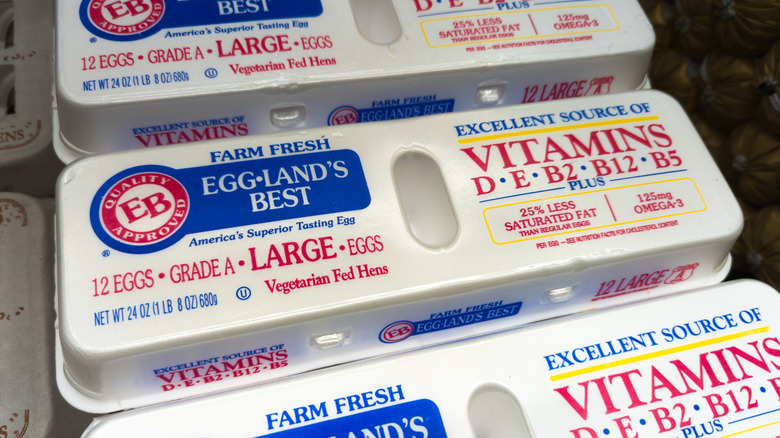
Eggland's Best is another Walmart exclusive brand. The Eggland's Best website is far more utilitarian than the previous brands', and offers brief descriptions of their products. It does not go beyond using the technically appropriate terms regarding the quality of its products and the standards under which it raises and keeps its hens.
The descriptions do not mention any specifics about the welfare of its animals, humane standards, sustainability, or sourcing. The website does, however, include statistics about how Eggland's Best eggs stack up against "normal eggs," though it does not make clear which eggs, specifically, were being compared. As far as ratings go, Eggland's Best rated in the lower middle of the pack.
Buy: Pete & Gerry's
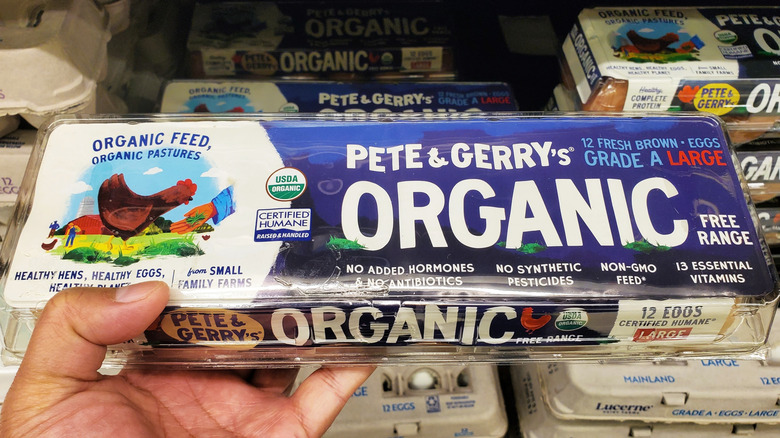
Pete & Gerry's eggs are laid on certified humane, USDA Organic farms, given non-GMO feeds, and since 2013, have been raised on B-corporation certified farms. These commitments to integrity and humane business practices are up front and center on its website, showing that this brand is proud to share the standards that it upholds. Pete & Gerry's operates through a network of over 200 family farms across the U.S., allowing farms to be small, healthy, and manageable.
The free-range eggs from this company are packed in plastic containers, which customers have complained about in reviews due to the issue of broken eggs. But overall, the brand's transparency, commitment to animal welfare, and the fact that it backs up these written promises with certifications and accessible information put these eggs on the "Buy" list.
Methodology
My primary focus when browsing these brands' websites was animal welfare, as this is a concern for many when buying eggs. Secondarily, I was curious about sustainability and environmental consciousness. Reviews played a role, but as many brands were very close in score, they were a contributing factor rather than the main metric. The overarching consideration was how easy or difficult it was to access the information I was looking for; brands will make very clear what they do well and omit or obscure what they fall short on.