

The Silicone Baking Mat Mistake Too Many People Make But Is Easy To Prevent
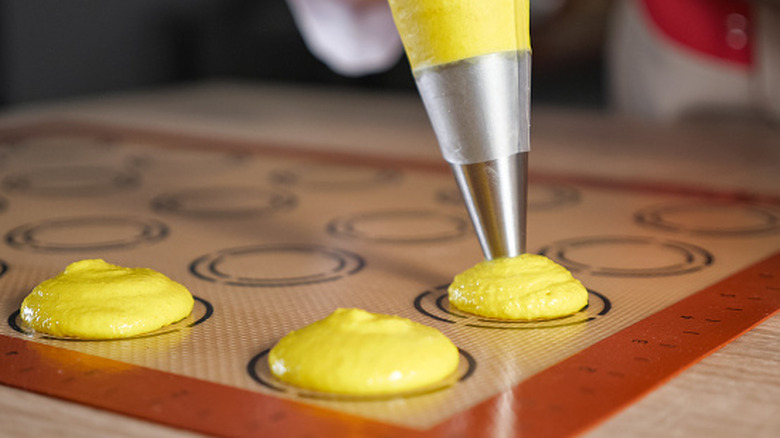
One of the most useful kitchen gadgets to come about in the last few decades has got to be silicone baking mats. Once the prized treasures of elite pastry chefs, these nonstick, sheet pan-sized liners can be found in most modern home kitchens these days because they can take the place of disposable parchment paper and often work better than baking spray for making anything from cookies to roasted vegetables. Despite their versatile design, however, silicone baking mats can't do everything, and they definitely shouldn't be used as a cutting board.
Silicone baking mats are made with fiberglass and food-grade silicone, which makes them super flexible, heat resistant, and nonstick. That same silicone, though, is a very soft, rubber-like substance that can be easily damaged by knife blades, and any type of cut or gouge can ruin the surface and compromise the safety of the mat. Basically, once the mat gets damaged, food can get trapped in the nicks and cause cross contamination. Deeper cuts can also weaken the fiberglass core, which drastically shortens the life of the mat, not to mention cause chemicals to leech into your food by exposing it to the part of the mat that was never intended to touch things you put in your mouth. Using a silicone baking mat as a cutting board, in short, is a mistake, but it's very easy to prevent; always use only a dedicated board or cutting sheet, like a classic wooden board which can also double as chic, functional kitchen decor.
Replace damaged silicone mats
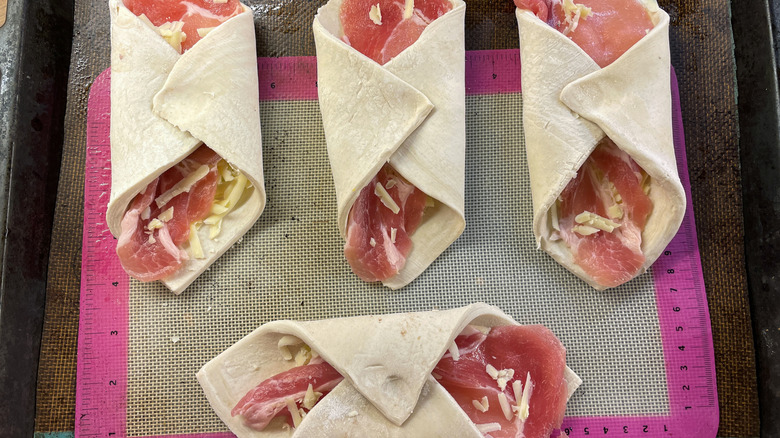
Plastic cutting sheets probably bear most of the blame for all the confusion. These thin, flexible sheets may look similar to silicone mats, but they're made with a completely different kind of plastic that can withstand knife blades and protect your countertops. To avoid accidentally mixing up the two, consider keeping your baking mats somewhere away from the prep zone altogether so that you don't accidentally use them (check out this ridiculously simple hack for storing them in a paper towel tube).
If it's too late and you've already used your mats for cutting, it might be time to cut bait. If your mats have deep cuts or slashes, are holding on to lingering smells and food, and show visible signs of peeling, they're no longer safe to use. They'll also lose their nonstick qualities, which is kind of the whole point of owning the mat in the first place. At this point, the risk of cross contamination isn't worth it, especially since silicone mats are fairly affordable. Toss the damaged mats in the trash and start fresh, and avoid letting the new ones come into contact with anything sharp. If you treat them properly and clean your silicone mats like a pro, they can last for years and save you money on parchment or baking spray. Just remember that they're not designed for knife work and you'll never make the same mistake again.