

6 Expert-Approved Tips On How To Get A Perfect Pan Sear On Steaks
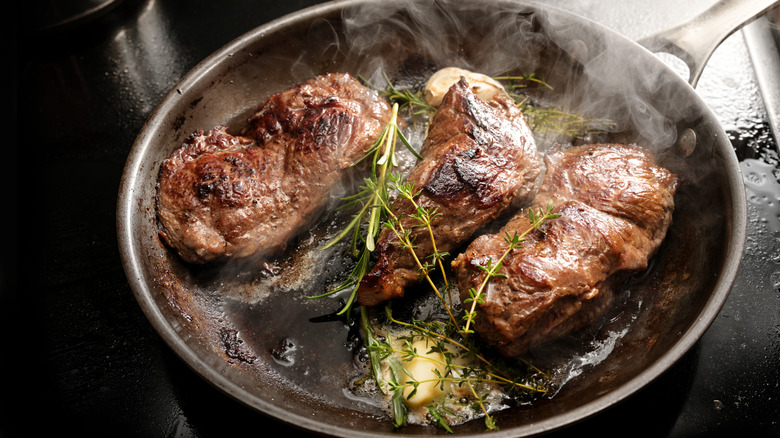
I'll be honest — as someone who very rarely cooks at home, and even less frequently cooks steak, I needed to seek out a true expert for advice on how to perfectly pan sear them. If you're a meat eater, you've likely seen an even, crisp sear, even if you didn't create it yourself. Essentially, a steak that has been correctly pan-seared has a caramelized, brown crust on the outside of the cut of meat that locks in the juices within.
As a New Yorker for over two decades, I have spent many long nights at the now-shuttered, classic American Landmarc restaurant in Columbus Circle. I could think of no better expert to pick up recommendations from than Landmarc's previous owner, celebrity chef, and restaurateur Marc Murphy. I spoke with Murphy exclusively at the Sun Wine & Food Festival at Mohegan Sun about his tips and tricks on how to achieve that beautiful sear. He promised that it wasn't as hard as it looks, and with his guidance I'm looking forward to trying it out at home soon.
1. Get your skillet very hot
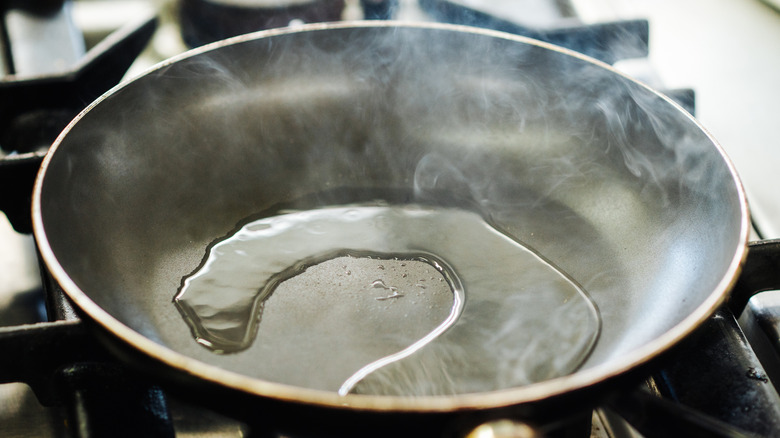
This may be one of the most simple, but important, tips, and it happens at the beginning of the process: "Get your pan hot," says chef Marc Murphy. The pan you use is important when trying to get a good sear on a steak. Some pans, like grill pans and those made from aluminum, can heat unevenly, so using the right cooking vessel and giving yourself time and patience to get the full surface area of the pan properly hot is critical. How do you know when the pan is hot enough? "The oil is usually shimmering or there's a little bit of smoke coming off it," Murphy says.
Also on the temperature note, you have to make sure that if your meat is coming out of the refrigerator or freezer, it must be warmed up before hitting the pan. A cold steak in a hot pan is not going to achieve the desired result, and will only slow the process down. Murphy, who likes his steak rare (meaning the meat will be cold in the middle), emphasizes the steak itself has "got to be room temperature" before entering the pan.
2. Dry your steak before seasoning
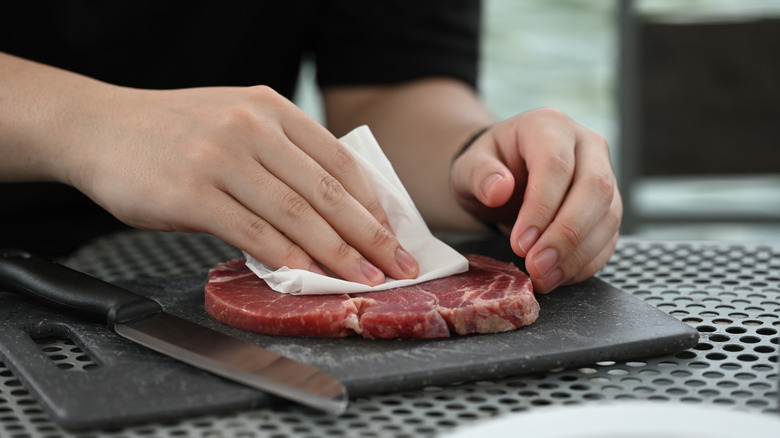
"Dry your meat first ... Put a paper towel on it ... The moisture is going to impede the searing," recommends chef Marc Murphy. Ideally, you want to remove all surface moisture from your steak before cooking. This is because the more moisture your meat has going into the pan, the longer it will take for the water to evaporate and get your steak to the desired heat for browning.
Additionally, you want the steak toweled off before adding flavor. Murphy uses the title of his cookbook to explain: "Season it with authority ... put your salt or your salt and pepper
on it ... once it's dry." But once the seasoning is on, don't wait too long to put it in the pan. The salt will pull out the remaining moisture and make the surface of the steak wet again, which, again, will not help with your sear.
Murphy uses a simple salt and pepper seasoning. He points out that if you put herbs on the steak at such a high temperature in the pan, they'll burn, which is among the more common seasoning mistakes home cooks make.
3. Don't use olive oil
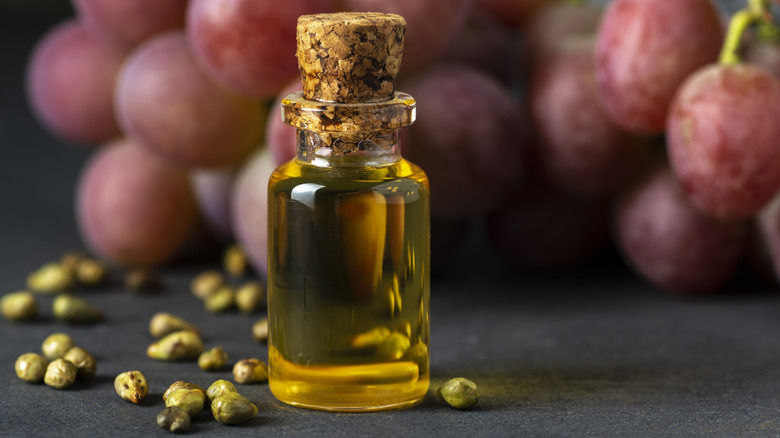
If you're like me, you might always start your pans with a drizzle of olive oil as it heats. However, chef Marc Murphy stresses that, in this case, olive oil is not the way to go. You need "a neutral oil that's not going to burn, like grapeseed oil or avocado oil. Something that can go to a high temperature ... Olive oil breaks down. It's not good." He also mentions that you could swap in clarified butter or ghee, which also does the trick, as these fats are void of any residual milk solids and water, making them ideal for high-heat cooking methods.
However, if you do like the taste of olive oil (and Marc Murphy certainly does, as he has his own line called Umbrian Gold), all is not lost — try it as a finishing garnish. Murphy explains: "In Umbria, a lot
of places in Italy, they'll cook a steak. They'll let it rest. They'll slice it. And they'll douse it with olive oil. That's a really good way to finish your steak too."
4. Don't crowd the pan
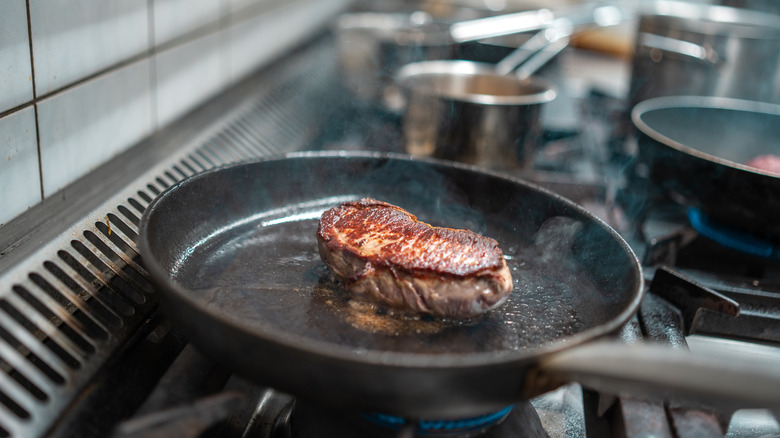
One of the most common mistakes made with pan-seared steaks is having too much meat touching the surface area of the pan. This will cool it down, which defeats the purpose of taking the time to properly heat the pan up. Chef Marc Murphy clarifies: "You don't want to put too many steaks in a pan, because what happens is even if the steak's room temperature, all that meat that's room temperature is going to go into a hot pan, the pan temperature's going to drop really quickly."
You don't have to do one steak at a time, but depending on the size of your pan (and the cuts of your beef), just make sure you're putting in pieces of meat that are not overlapping. In addition to cooling the pan, too much overcrowding creates steam, which allows for excess moisture to once again re-enter the meat, leaving it soggy and not browned. You don't want to overcook your steaks (especially if you like them rare, like Marc Murphy), and you'll have to leave them in the pan longer if they're getting steamed.
5. Don't move the pan, but do flip the steak
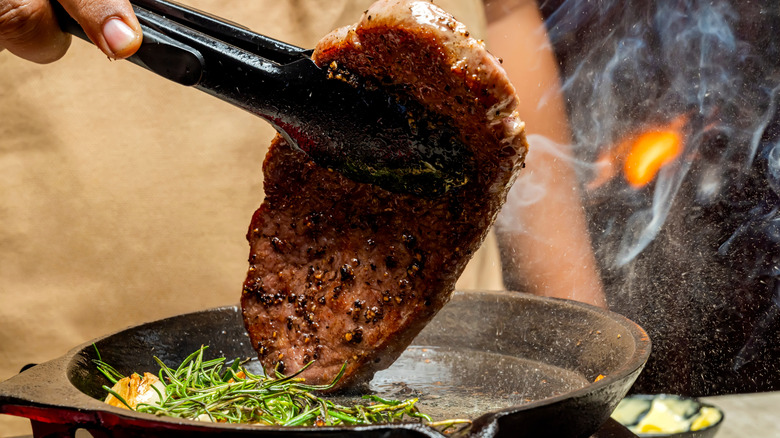
Another small but important tip that affects your sear is the movement of the pan itself. Or, rather, the stillness of the pan. Chef Marc Murphy explains: "Don't touch it, don't move it, don't shake
the pan, leave it. Let the protein stick to whatever surface it is, and then it will unstick because of the caramelization." Doing so will help develop that golden brown crust.
But how do you know how long to sear each side? You're going to have to eyeball it and practice. A general rule of thumb is around four minutes for each side before flipping, but it really depends on your cut of steak and how you like it. A rarer steak will take less time than one that is more well-done.
As Murphy notes, "If it's a New York strip, if it's a two-inch cut, if it's a half-inch cut, if it's a ribeye, if it's ... a filet or if it's, you know, like a hanger steak, it's all going to depend on the size and the cut of meat. For me, a New York strip steak or a filet, I go rare. A hanger steak, a ribeye, I go medium-rare because I find that those steaks taste better at that temperature for myself."
6. If the sear isn't done, add it back to the pan
There's really only one way to learn how to get that perfect pan sear, and it's practice. Chef Marc Murphy explains that you have to have patience, and give yourself grace. "It's just like learning about wine ... you gotta drink a lot of wine. Steak, cooking steak, you gotta cook a lot. You just have to do it over and over again. And if you screw up, it's not a big deal."
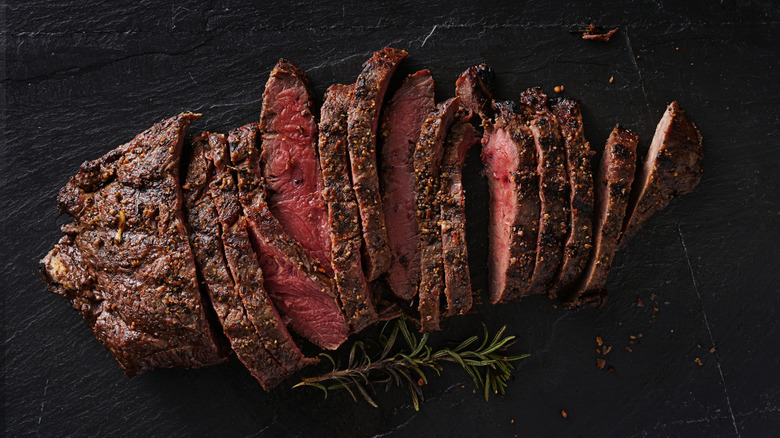
If when you take the steak out it's not where you want it to be, put it back in the pan for 30 seconds. But be careful about cutting the steak open too soon. You want to let the steak rest to preserve all the juices you've kept inside by searing it. Murphy says, "After you sear it ... let it rest. Don't touch, don't put a knife in it. Don't start poking the steak and let all the juices run out."
At the end of the day, remember, cooking is meant to be fun and not stressful! Enjoy your well earned steak, and pair it with anything that feels relaxing and celebratory. Take Murphy's final advice: "I'd like a crispy potato and a nice Bordeaux."