

The Best Way To Cook Flounder Keeps The Fish Remarkably Tender
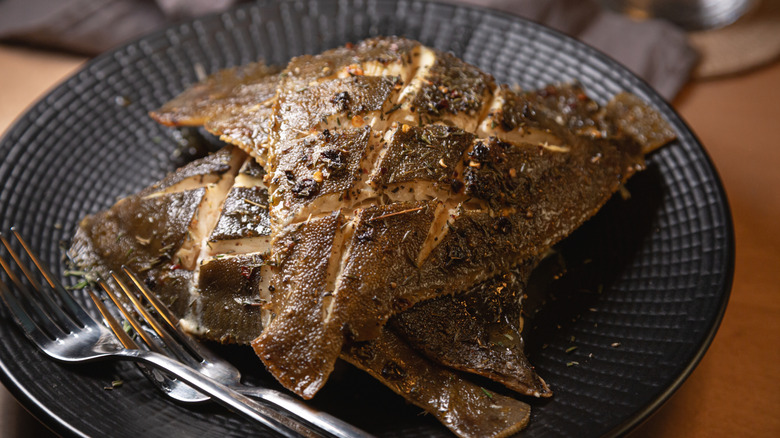
Flounder is one of the best fish to cook whole. But unlike other proteins, which are often more forgiving, with flounder, like other fish, seconds, not minutes, can be the difference between a gloriously tender bite and rubbery, tasteless flesh. Flounder has very thin fillets that tend to overcook quickly, and it is very lean — so it's prone to drying out when fried or grilled. Because of that, for our money, steaming is the best way to cook it.
Steamed fish gets a bit of a bad rap, with people often claiming it won't deliver on flavor. But it's the ideal method to help you get the best possible texture thanks to its use of a low, moist heat source. This keeps the internal temperature low and steady, preventing the fibers in the flesh from seizing, toughening the fish, and releasing albumin (the white stuff that's the telltale sign of overcooked fish). Because you aren't introducing any extra fat into the mix, you're also preserving the natural flavor of the fish rather than masking it.
How to steam your flounder the right way
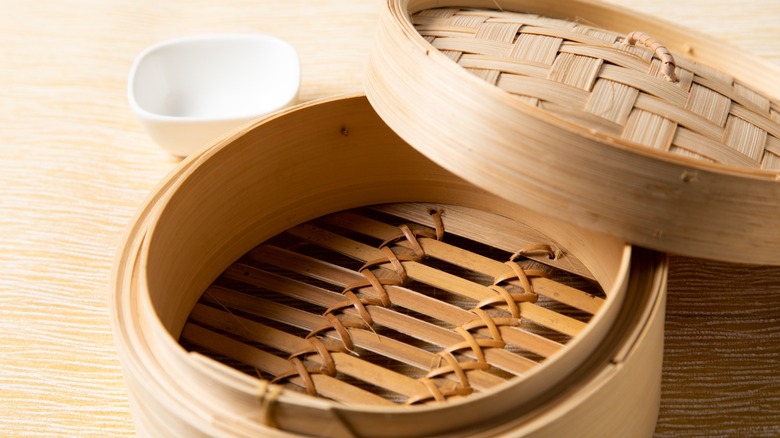
There are a few different options when it comes to steaming flounder. Not all steamers are built the same, but all of them are easy to use. You can opt for a bamboo steamer, a traditional Asian vessel for steaming food, or you can use a traditional metal steamer, a wok, or even cook your fish "en papillôte," a French technique that requires creating a paper pouch. If you don't have one of those, don't worry. If you've got a heatproof plate and some aluminum foil, you can totally hack a steamer basket.
Regardless of the vessel you use, bring the water to a simmer, not a boil. If you raise the temperature too much, the intense steam released can break the delicate fish, drying it out. And don't forget to season your flounder using a generous amount of salt and a pinch of white pepper before putting it into the steaming basket.
Once you put the lid on, don't touch it for at least four minutes, which should be enough for thinner fillets, though most will need an additional one to six minutes or so with the lid back on. But don't worry too much about the time. It's best to go by texture. When it's done, the fish should flake easily but still have a lovely, glossy sheen to it.
What to pair your steamed flounder with for the tastiest dinner
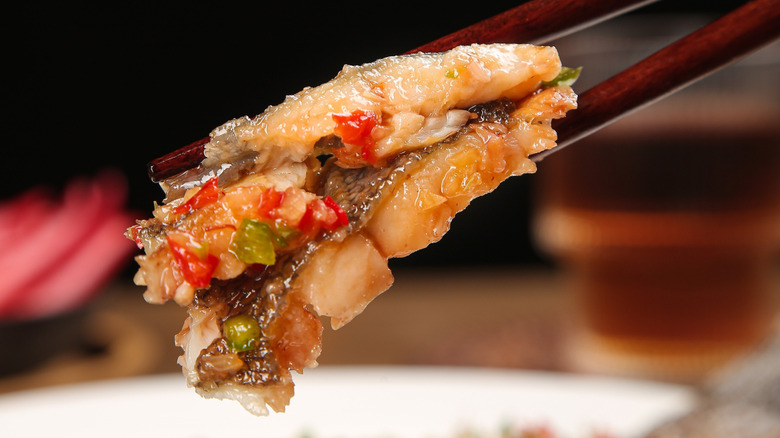
Steaming brings out the natural flavors of flounder, itself a mild but subtly sweet fish. Bearing that in mind, it's best not to overwhelm that flavor. Classic pairings include traditional Chinese seasonings like ginger and scallions, often sizzled in hot oil to really bring out their aromas before being poured over the fish as it's served. Sesame oil and soy are also lovely accompaniments here, with a little white pepper going a long way to subtly spice things up, showcasing the very best qualities of the fish rather than disguising them. You could also keep things clean and contemporary, using flavors like miso, ponzu, and dashi to bring a refined flavor, full of umami.
For a more Mediterranean spin on things, think of classical Italian flavors that complement seafood — bright, zingy acids like lemon and punchy, salty capers pair beautifully. A peppery olive oil adds a lovely finish, with some fresh parsley torn over the top to complete a wonderfully balanced dish. If you want something a little more aromatic, place a sprig of fresh thyme underneath the fish as it steams to allow the flavors to gently meld during the cooking process. Keep your sauces and dressings light and acidic, which helps to lift the flavors of the dish as a whole.