

The Prices Of 10 Staple Groceries From The 1980s That Feel Like A Steal Today

These days, grocery prices have everyone trying to find the best deals. Between November 2024 and November 2025, food prices increased by 2.6% overall, but certain items saw more staggering increases. Products such as meat, poultry, fish, and eggs saw an average increase of 4.7% year over year, while non-alcoholic beverages increased 4.3%. Since 2020, grocery prices have grown exponentially — food is nearly 30% more expensive than it was five years ago. This is mostly due to global events, such as the COVID-19 pandemic, and conflicts, such as the Russia-Ukraine war.
If you've ever compared food prices from 40 years ago to what they are now, it's hard to believe anything could have ever been so cheap. Surprisingly, though, prices in the 1980s were actually quite high, relatively speaking. The early 1980s were coming off what was eventually dubbed "The Great Inflation," when prices rose up to nearly 15%. So, while 1980s prices feel like a steal today, they were actually soaring for the time. Here's what a few staple groceries cost 40 years ago, what that would translate to today (based on calculations from the U.S. Inflation Calculator), and how it compares to today's actual grocery prices.
Milk
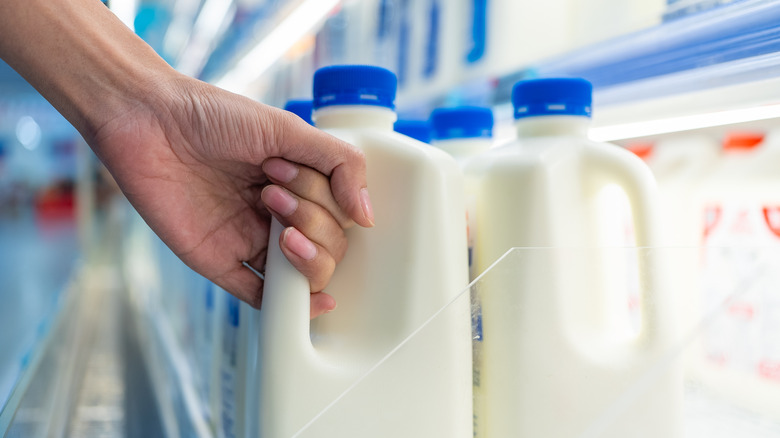
Back in 1985, you could purchase a gallon of milk for just $2.20. While that might feel like a steal today, that wasn't the case all those years ago. When adjusted for inflation, that would be around $6.76 in today's dollars. Today, a gallon of milk is going for around $4. It would be great to see that 1985 price at the store today, but sadly, milk is about 80% higher than it was all those years ago.
Eggs
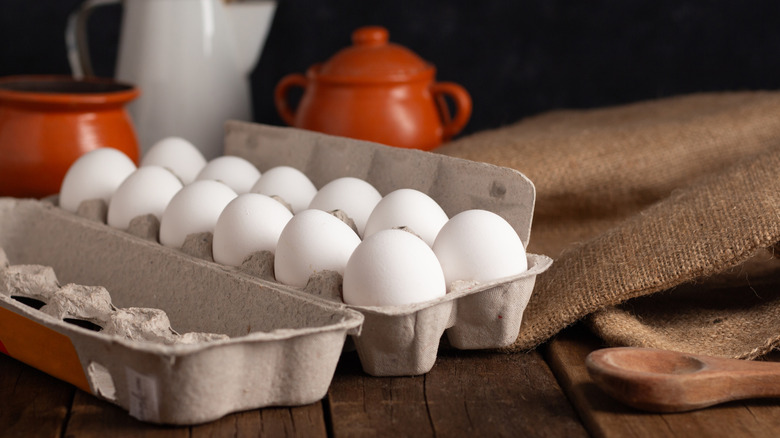
Eggs have seen some major ups and downs in recent years. Prices soared due to avian flu outbreaks, getting as high as $8 per dozen in early 2025. As of late 2025, prices are mostly back to normal at around $2.39 for a dozen white-shelled eggs. Back in 1985, eggs cost just 80 cents per dozen — even less than they cost in 1980. Prices did fluctuate throughout the decade, though, getting as high as $1 in 1984 and as low as 78 cents in 1987. Today, that 80 cents translates to around $2.46, so eggs have increased accordingly with time.
Butter
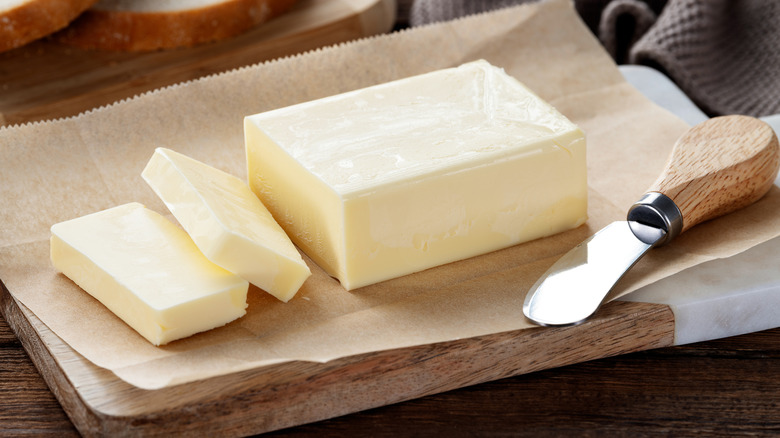
Butter was surprisingly expensive in 1985, but had a price tag that feels like a steal in today's times. In January of that year, you could expect to pay about $2.32 for 1 pound of butter. Though it sounds cheap, it's the equivalent of around $7.13 today. Thankfully, butter isn't that high right now, with 1 pound costing around $4.31.
Rice
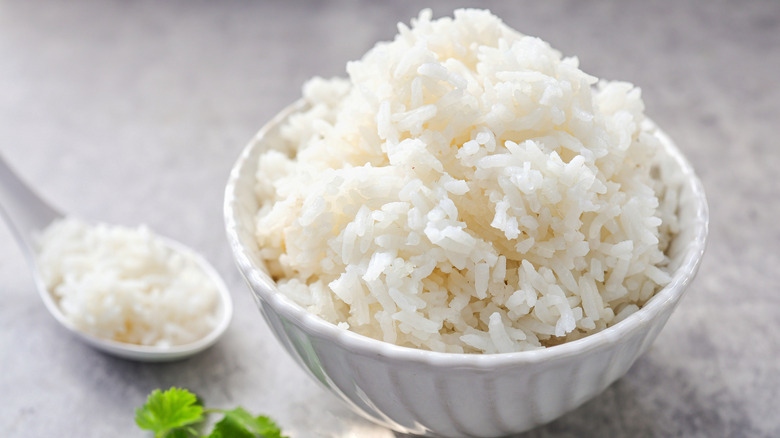
White rice is a pantry staple that's perfect for pairing with chicken or vegetables. Back in January 1985, 1 pound of uncooked white rice averaged just under 48 cents. Today, that same amount would be about $1.47 when accounting for inflation, which is more than the product costs today. In 2025, 1 pound of uncooked white rice averages about $1.06, making it one of the least expensive kitchen staples on this list.
Flour
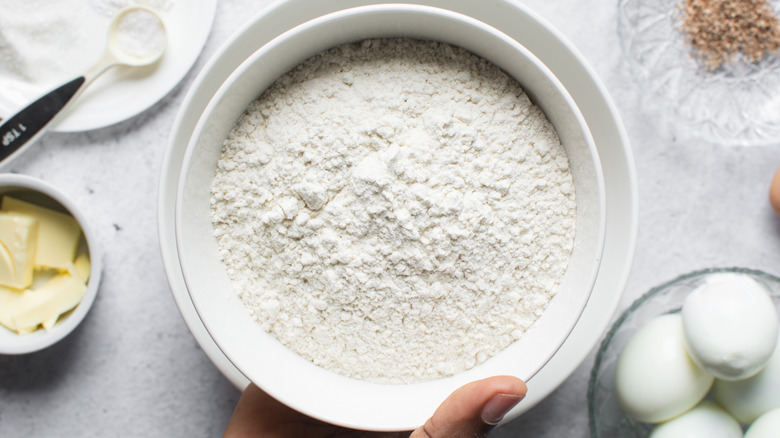
Flour is another extremely inexpensive grocery item, especially back in January 1985 when you could get 1 pound of all-purpose flour for just under 22 cents. Today, that would translate to about 68 cents, though that's still more than what you'd actually pay for 1 pound of it in 2025, when the price per pound is 55 cents on average. Since flour is usually sold in 5-pound bags, you can expect to pay about $2.75 for it at the grocery store.
Sugar
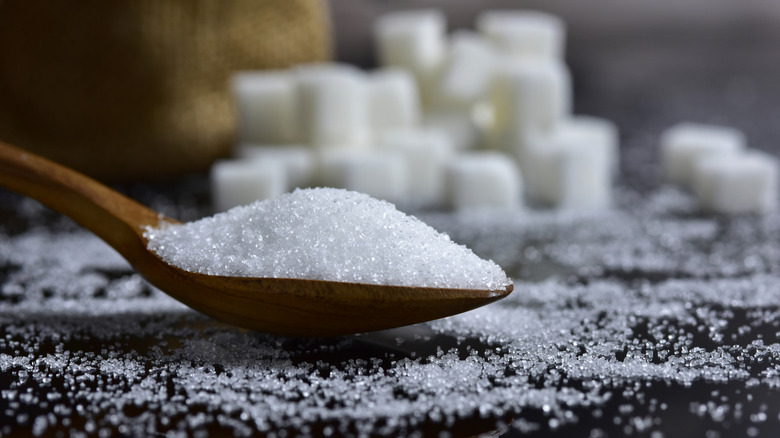
While primarily used in baking, almost everyone has sugar somewhere in their crowded pantry. In 1985, you could expect to pay around 36 cents for 1 pound of refined white sugar, which would adjust to about $1.11 today when accounting for inflation. Sugar costs just a little less than that these days, right around $1 per pound. Similarly to flour, sugar is sold in pretty large bags, so you pay a little more for it in total at the grocery store.
Chicken breast
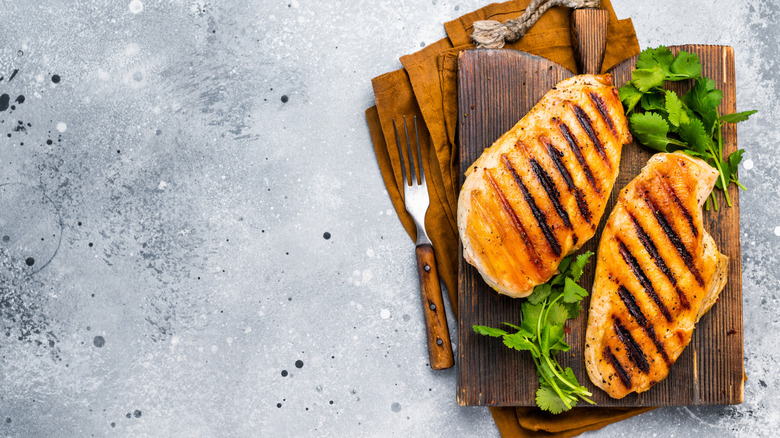
Chicken is one of the most basic ways to get protein, but it comes in all different cuts, each with various prices. If you were buying bone-in chicken breasts for the family 40 years ago, they would have cost right around $1.66 per pound. This would be the equivalent of about $5.10 today — a high price tag for poultry. Even though poultry prices have increased, the true price of chicken is still a little less than what you would have paid (relatively) in 1985; it's about $4.15 per pound for boneless chicken breasts today. Still, that 1985 price of $1.66 feels like a steal.
Bread
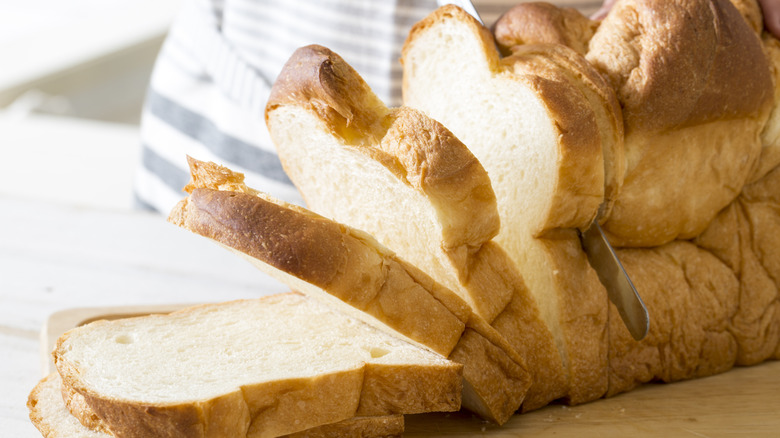
Sandwich bread has always been a popular choice for school lunches. A loaf of no-frills white bread came in at 55 cents back in 1985. This is the equivalent of about $1.69 today, which is actually lower than bread is going for these days; it's one of the only items on this list that was cheaper, relatively, in 1985 than today. As of 2025, the average loaf of white bread costs $1.79, though it ultimately depends on the type. Other types, such as whole wheat, are generally pricier.
Pasta
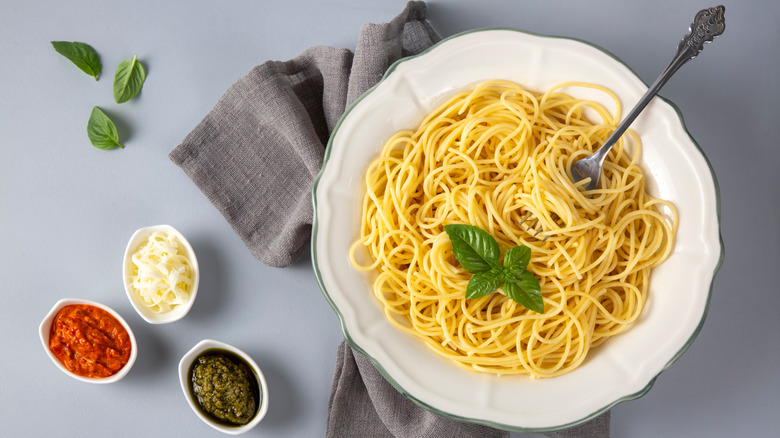
Pasta is one of the few foods on the market that is still pretty cheap today. If you browse your weekly circular, it's not uncommon to find it on sale for less than $1 per pound. But, in 1985, pasta cost around 73 cents per pound. While that price sounds dreamy, it was actually much more expensive from a relative standpoint; that same number amounts to about $2.24 today, which is far higher than you'd actually pay. On average, a pound of pasta costs about $1.30 today.
Potatoes
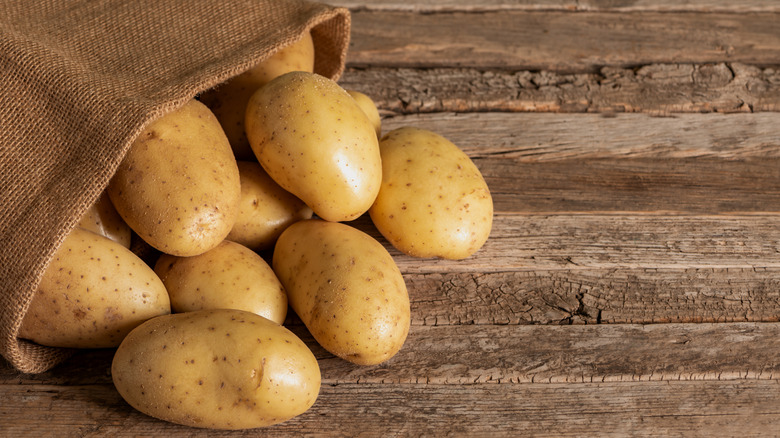
Potatoes are one of those versatile foods that can easily be upgraded into a tasty dish. Back in January 1985, 1 pound of the spuds cost just over 22 cents per pound, or around $1.12 for a standard 5-pound bag. That's the equivalent of about 68 cents today, which is more than you'd typically pay for potatoes in 2025. While the actual price varies based on potato type, typical white potatoes cost about $1 per pound today.