

As Of 2026 These US States Have Completely Banned Plastic Grocery Bags
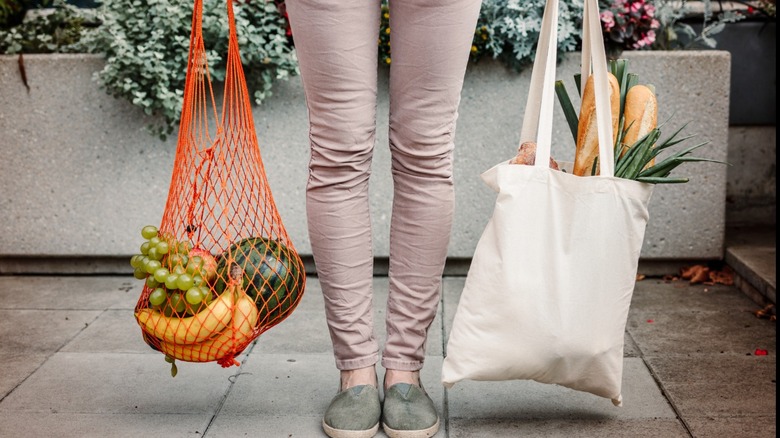
In case you haven't heard, plastic shopping bags may become relics of the past. Which is interesting, considering they haven't even been around that long; despite becoming a staple image of grocery stores right alongside bright lighting and shopping carts over the years, plastic bags didn't hit American supermarkets until the late 1970s, and it wasn't until around 1996 that they became the dominant grocery bag. But, as it turns out, plastic wasn't destined to beat paper forever. Bagging up your groceries in a plastic grocery bag is increasingly uncommon now in 2026 — in fact, you won't see plastic bags anywhere at checkout in some states because they're illegal. In these cases, customers have the choice between a traditional paper bag and bringing their own. Yes, the days of "paper or plastic?" have turned into "do you need a bag today?"
Even if you still see plastic bags in your local supermarket, knowing the laws in other states will prevent upsets to your grocery checkout technique when you're traveling. As of January 2026, plastic bags in grocery stores are illegal in 12 states: California, Colorado, Connecticut, Delaware, Hawaii, Maine, New Jersey, New York, Oregon, Rhode Island, Vermont, and Washington. And to encourage shoppers bringing reusable bags, most also charge for single-use paper or otherwise biodegradable bags at the store (a fee that typically falls between 5 and 12 cents). Some states and Washington D.C. don't have total bans but still charge bag fees and/or have jurisdictions within them that have enacted bans.
Why states are banning plastic grocery bags
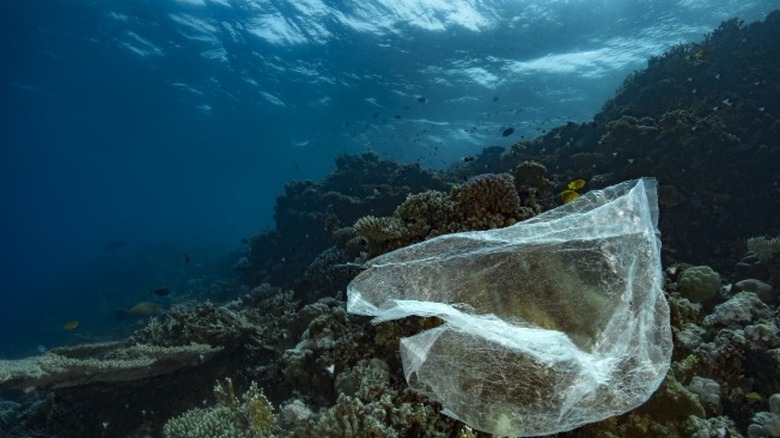
It's not really a mystery why plastic bag bans are becoming more prevalent. Plastic is not biodegradable, which means it won't break down naturally into safe substances for the environment. While this has long been known, the discovery of the Great Pacific Garbage Patch in 1997 helped to significantly heighten environmental concerns, particularly since plastic bags are one of the Patch's most common components. In 2011, plastic was found in nine percent of fish sampled from this region in the North Pacific Ocean. Sentiments have increasingly shifted against plastic in general over the years, especially when it comes to its involvement with food — speaking of which, you should ditch your plastic food storage containers if you haven't already,
While there are a lot of different types of plastic affecting humans and nature, plastic bags are a more visible one, and banning them is often seen as a small but important step in the right direction. It's also more feasible than major law changes regarding plastic production and disposal. With no federal law governing grocery bag type nationwide, it's up to each individual state to decide how to handle the issue. In 2015, Hawaii become the first U.S. state to have a statewide ban on plastic grocery bags, though this actually happened after every county in the state had individually banned them first, instead of passing state-level legislation from the start. It didn't take long for others to follow.
The effects of plastic bag bans
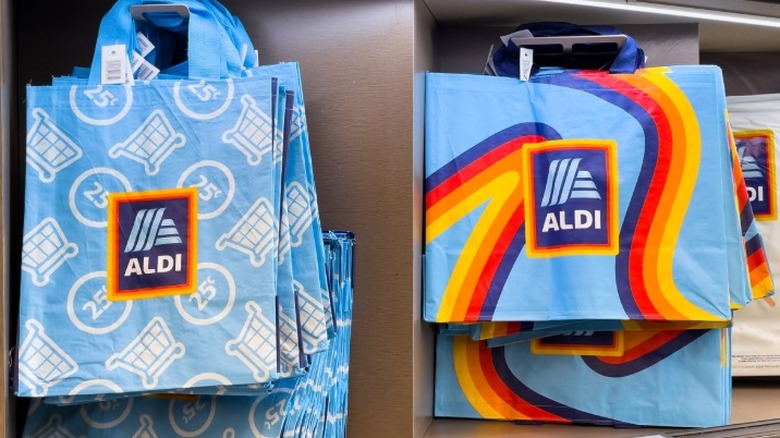
The most immediate effects of plastic grocery bag bans have been shifts in consumer behavior. One study conducted by members of the University of Pittsburgh and Swarthmore College found that use of reusable bags nearly doubled after the implementation of a plastic bag ban. Additionally, an increasing amount of shoppers also chose not to use a bag at all. And, as you may have noticed, many supermarkets now sell their own reusable shopping bags right in store. There are also a lot of reusable grocery bags available on Amazon.
Still, the entire purpose of plastic bag bans is to help mitigate the negative effects of human consumption on the environment. It'll take a while to undo decades of widespread plastic bag use, but early signs are positive. A study published in Science in June 2025 found a 25% to 47% decrease in plastic bags on shorelines (and potentially fewer wildlife entanglements as well) since bans were enacted. Not everyone is on board though. A March 2024 analysis from the Institute for Energy Research (IER) stated that California began throwing away more plastic thanks to consumers buying thicker, reusable plastic grocery bags and then tossing them. Regardless, it seems plastic bag bans are only becoming more common. If you haven't done so already, now's a great time to start practicing using reusable bags and building more sustainable habits.