

7 Old-School BBQ Dishes That We Think Deserve A Comeback
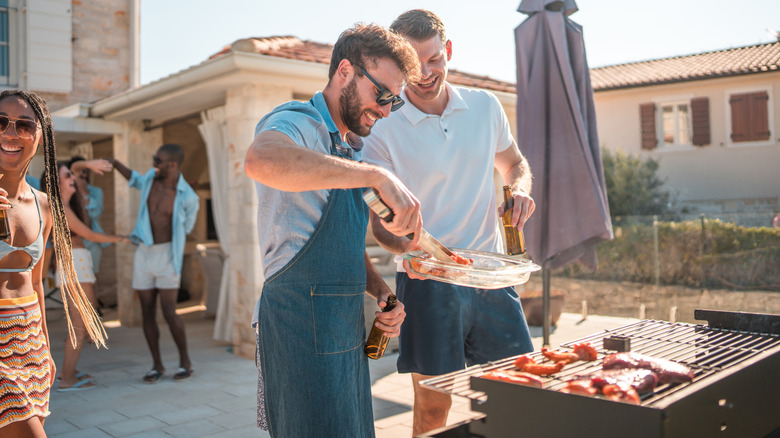
After nearly a decade as a chef, I have learned that the best dishes often start with a foundation in regional and old-school cooking. As someone who works with food on a daily basis, I have watched firsthand how modern trends and innovative techniques can overshadow the simple and traditional dishes that have been perfected over generations. Modern BBQ culture has given us melt-in-your-mouth smoked brisket and competition-level baby back ribs — however, somewhere along the way, we have lost touch with so many incredible regional classics.
These seven old-school dishes represent the kind of smoke-and-fire cooking that built American BBQ culture, and it's about time they return to the spotlight. From Kentucky specialties you can't help but tear apart to the unbelievable flavors curated by generational Southern pitmasters, here are the seven old-school BBQ dishes that we think deserve a comeback. Roll up your sleeves and get ready to grub.
1. Barbecued mutton
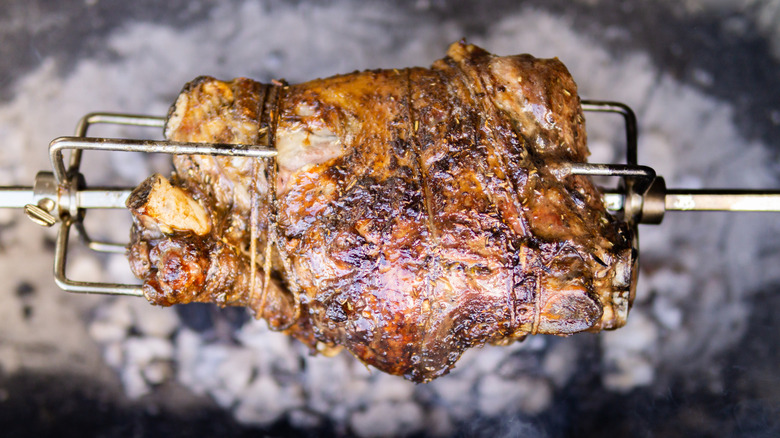
Barbecued mutton, just like many great culinary creations, has its origins in a single region — the Owensboro area of Kentucky. This part of Western Kentucky has long been the keeper of this flame, but mutton has nearly disappeared from BBQ joints everywhere else in the country. Barbecued mutton was first served by Scottish and Irish settlers in the early 1800s, who brought sheep with them for wool production. Once the sheep outgrew their wool-producing years, their meat was a bit too tough for quick cooking, so the settlers in Owensboro decided to barbecue instead.
Older sheep produce incredibly flavorful meat with a distinctive taste that's much earthier and gamier than lamb. If you're a fan of meat like venison, veal, or rabbit, you'll love the gamey flavor and tender texture that barbecued mutton is known for. The meat is cooked through low and slow smoking, often over hickory wood chips, and served sliced with tangy vinegar hot pepper dip called "mutton dip." So, if you happen to be passing by the Owensboro region of Kentucky, then be sure to stop and try some delicious barbecued mutton.
2. Whole hog BBQ
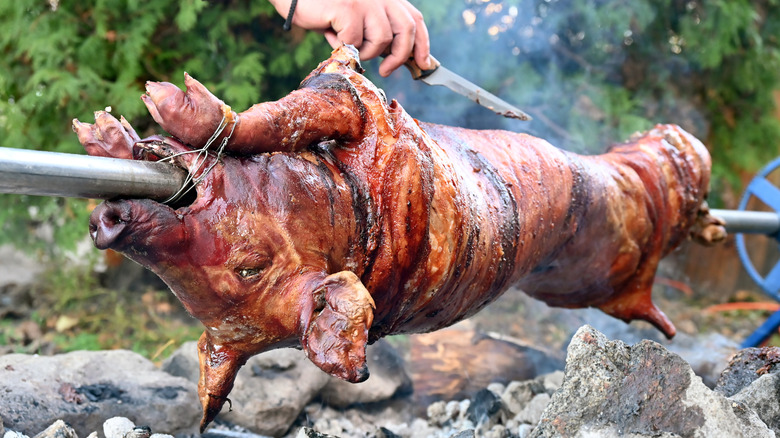
Before brisket and baby back ribs dominated the BBQ scene, the whole hog was what defined a pit master's skill and technique behind the grill. For those unfamiliar, it involves smoking an entire pig low and slow in coals for 12-18 hours, resulting in a blend of smoky, rich, and varied textures from different parts of the animal. Everything from the shoulder, leg, ham, belly, and the loin is combined and shredded together, offering a delicious mix of fatty, lean, and tender bits. You can find it being served with either South Carolina's sweet and tangy mustard called "gold sauce" or a zingy vinegar and pepper sauce. Oh, and don't worry, the crispy, crunchy skin is separated and served on the side.
While slow-cooking a whole pig isn't new, whole hog BBQ has become deeply rooted in the BBQ traditions of Tennessee, South Carolina, and North Carolina, with each area having their own variations. In Tennessee, specifically the western part of the state, pitmasters typically use large hogs called "sausage hogs," which can be cooked for up to 24 hours over hickory wood. North and South Carolina pitmasters favor using a smaller hog over oak wood, which cooks a lot faster than its counterpart.
3. Barbecued bologna
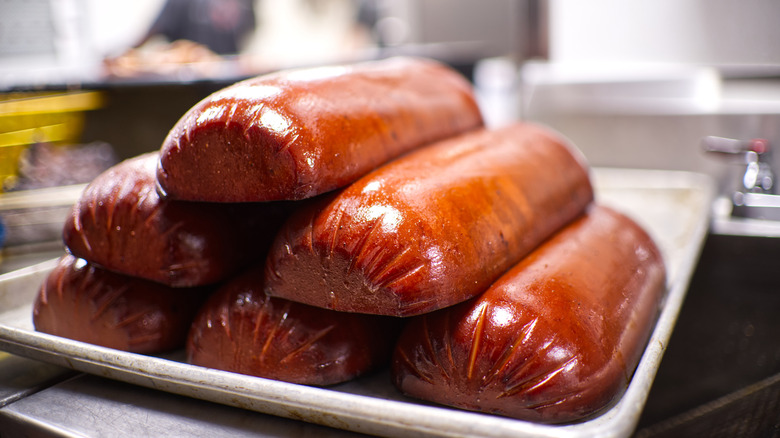
Barbecued bologna is a whole chub of bologna that's been scored, spiced, and smoked until the exterior develops a dark crust while the interior stays juicy. After it's smoked, the bologna delivers a satisfying snap and smoky, umami flavor that will make any mouth water. You can find it being served sliced on white bread with pickles, coleslaw, American cheese, and pickled red onions. It can also be sliced into 1-inch cubes, tossed with BBQ sauce, and smoked for a bit longer to create burnt ends. After it's smoked, the bologna delivers a satisfying snap and smoky, umami flavor that will make any meat lover satisfied.
This unique dish originates in the state of Oklahoma, where pitmasters sought affordable alternatives to pricier BBQ meats, hence why it's often referred to as "Oklahoma tenderloin" or "Oklahoma prime rib." Nowadays, as modern pitmasters revisit classic BBQ recipes, smoked bologna is gaining popularity outside of Oklahoma as well in parts of the Deep South and the Midwest.
4. Barbecued frog legs
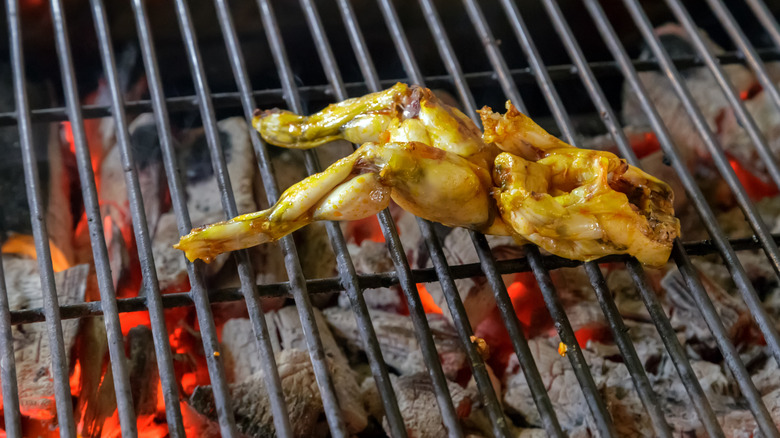
It might sound a bit odd to add an order of frog legs to your BBQ plates, but Louisiana and parts of the Deep South have long understood their delicious appeal. This forgotten BBQ dish stems from French culinary traditions, especially in Louisiana, where French influence merged with local ingredients, turning them into a regional specialty. The town of Rayne in Louisiana is named "Frog Capital of the World," where it hosts festivals and plenty of barbecue restaurants whipping up some delicious grilled frog legs. At these restaurants and festivals, the frog legs are typically marinated in Cajun-style spice blends before being smoked or grilled, giving them an extra kick of flavor.
If you haven't tried it before, barbecued frog legs' mild, delicate flavors take on smoke and seasonings beautifully without being overpowered. Their texture becomes fork-tender while the skins crisp up perfectly. Oftentimes, people say it has a similar taste and texture to chicken wings or flaky white fish, though frog legs have a unique earthiness that sets them apart.
5. Snoots
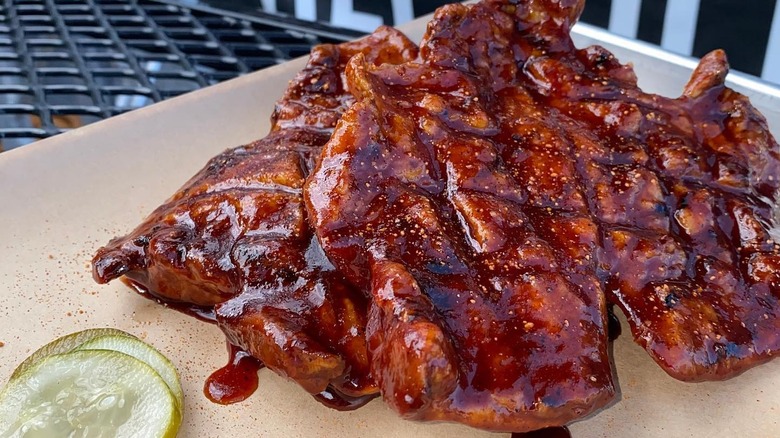
St. Louis BBQ spots still serve this regional specialty, but it's virtually unknown elsewhere outside its city limits. For those of you who don't know, snoots are smoked pig noses known for their delicious porky flavor and crispy, crunchy texture. They are typically prepared by boiling them to remove any excess fat or impurities, then either slow-grilled or dehydrated until the cartilage becomes tender, and the skin crisps up into chicharrón-like perfection. You can find them at most joints being drizzled with the delicious, sweet, and tangy St. Louis-style barbecue sauce with a slice of white bread and pickles.
Like many of the "unwanted" cuts, snoots became popular because they were affordable and made it easy for the working class to fill up their barbecue plate without breaking the bank. Local barbecue joints around St. Louis began perfecting their recipes, transforming this overlooked cut into a signature city delicacy.
6. Barbecued goat
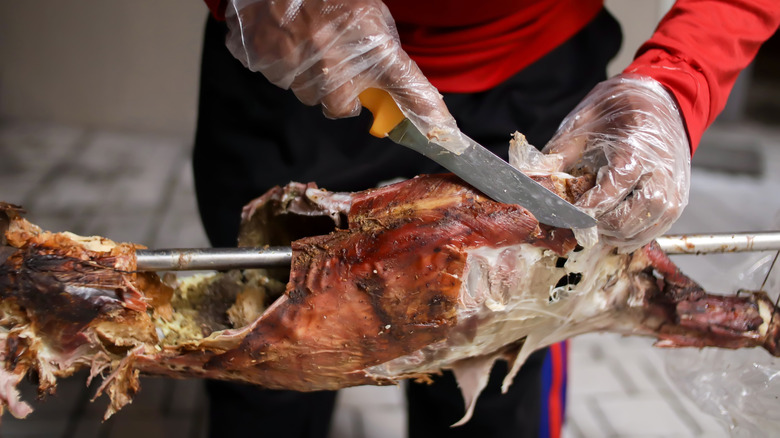
Another old-school BBQ dish that definitely deserves a comeback is barbecued goat. The goat is often slow-cooked over an open fire or smoke, and is typically marinated in a plethora of spices, chiles, and herbs. It has a mild, slightly sweet flavor and becomes incredibly tender when slow-smoked, resulting in a smoky meat that's perfect for tacos, sandwiches, or as a main dish.
Pitmasters in the American Southwest, specifically in Texas and Mexico, have a rich tradition of smoking young goat, but it's rarely seen outside specialized Mexican BBQ joints. At these spots, you'll find it being referred to as "cabrito," which translates to young goat. It's often slow-roasted over a live fire for hours until tender and served with a side of corn tortillas, salsas, and lime. Beyond barbecue, it's sometimes braised in a savory, dark sauce made from its own blood and organ meat, creating a deeply flavorful, earthy stew called "cabrito en sangre."
7. Barbecued beef clods
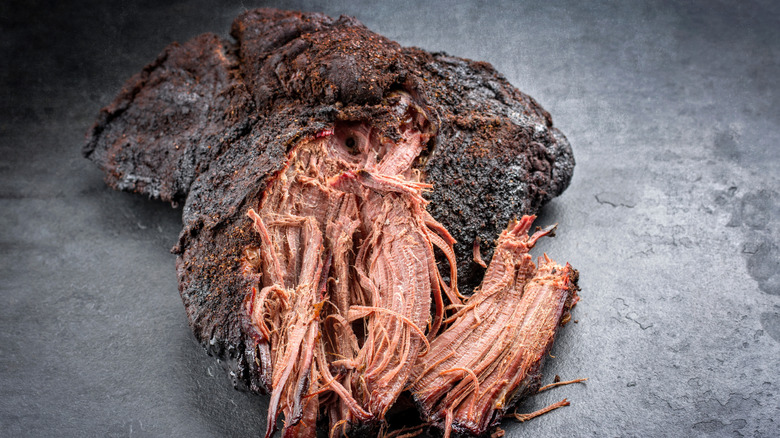
Barbecued beef clods are a large, lean cut from the cow's shoulder, slow-cooked for hours until tender enough to be fork-tender. It has a rich, beefy flavor often seasoned with sea salt and cracked black pepper before smoking it low and slow for hours. This massive cut requires an expert pitmaster to smoke and render properly, but when done right, it has an incredibly intense beef taste with varied textures, chewy and crispy throughout.
Before brisket became king in the BBQ world, beef clod was one of the most popular BBQ cuts in the Lone Star State. Its large size and affordable price tag made it a great option for people to feed a large crowd without burning a hole in their wallet. Now that prices for high-quality cuts of meat like brisket are soaring, chefs and pitmasters are seeking new challenges and are reaching for affordable cuts like beef clods more often.