

When Is Buying Name-Brand Spices Actually Worth It?
We may receive a commission on purchases made from links.
When it comes to saving money at the grocery store, there are many sections where you can skip the name brand and still get a high-quality product. But for spices, it can be a little complicated. Alli Powell, owner of Grocery Getting Girl, breaks down this endeavor for Chowhound. When asked whether to buy a name-brand versus budget spice, she explains, "It really depends on how much you plan to use it. If you love paprika and use it all the time, I think it makes sense to splurge. But if it's a spice you only use occasionally, generic is just fine."
Powell's advice points to a key fact about spices: overall freshness is integral to the flavor payoff of a good blend. If you're using a pricey spice frequently, it's less likely to sit unused in your cabinet, losing potency. This potency makes a huge difference to a dish's flavor, especially in simple, few-ingredient meals, where there's nowhere for flavors to hide. For spices you don't use often, generic options might be best, saving money for your everyday staples.
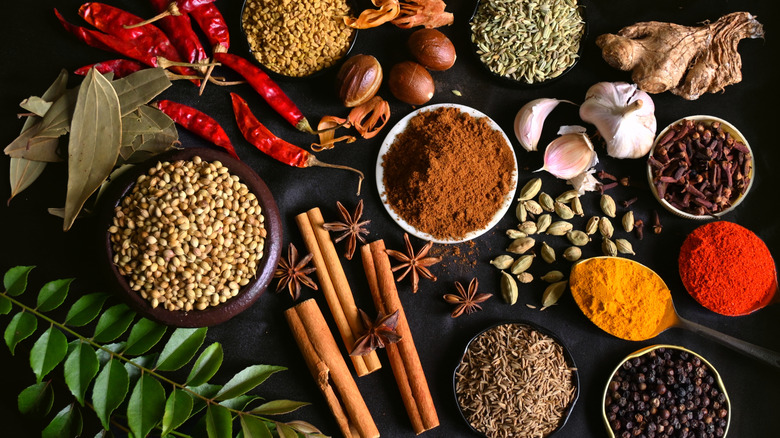
While how often you use a spice can guide when to splurge, the high cost of some name-brand spices often reflects their production process. According to Powell, "We pay more for vanilla (both the beans and the extract) and cinnamon because they are very labor-intensive to harvest." This can also be the case for spices like cardamom or saffron. That said, gourmet shops may occasionally try to pass off generic spices as specialty items, inflating the price tag. Therefore, it's very important to do your research before you buy, especially with labor-intensive spices.
How to save money on spices and store them properly
Supermarket store-brand spices like onion powder, garlic powder, and mixed herb blends are often the most budget-friendly staples. Alli Powell mentions finding excellent deals in her local store's $1 spice section, where 2-ounce containers offer great value. She also suggests shopping the Hispanic foods section, where she often buys cheaper varieties of spices like cumin, oregano, and chili powder. Powell notes that another way to save is to buy your spices in bulk at warehouse stores like Costco and Sam's Club, though you'll want to avoid Kirkland's Saigon cinnamon and saffron, as customers say they quickly lose their potency.
It also pays to grind your own spices. Take a look at both brand-name and generic varieties of whole spices at your local grocery store. Whole spices tend to stay fresh for longer and can be cheaper than ground options. These cost-effective options are generally reliable, but you'll still want to double-check labels for use-by dates. It also helps to date your spices once opened. Though not every brand clearly indicates when a spice is past its prime, you can look for signs like dulling of color or clumping, which may indicate bacterial growth.
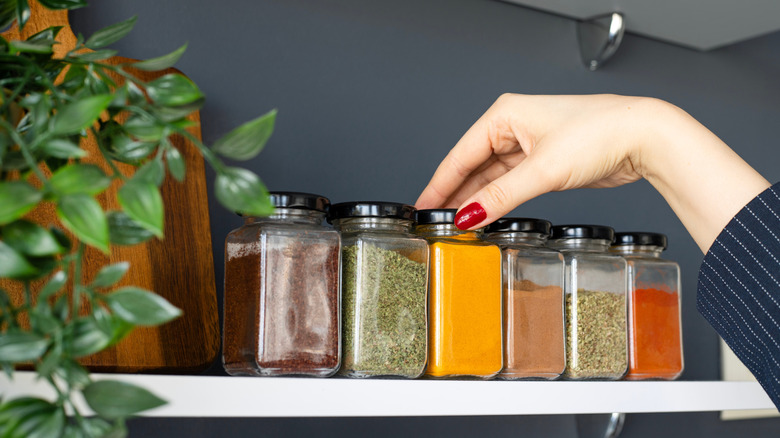
According to Powell, airtight containers are a must in order to avoid lost potency or stale spices. You can ensure proper storage (especially for spices that come in non-airtight, permeable plastic bags) by using something like the ProKeeper Airtight Seasoning & Spice Storage Containers. Additionally, to help maintain freshness, store your spice jars neatly in a drawer away from light and heat.