

The Sneaky Reason Why Pasta Always Tastes Better At Restaurants (And How To Achieve It At Home)
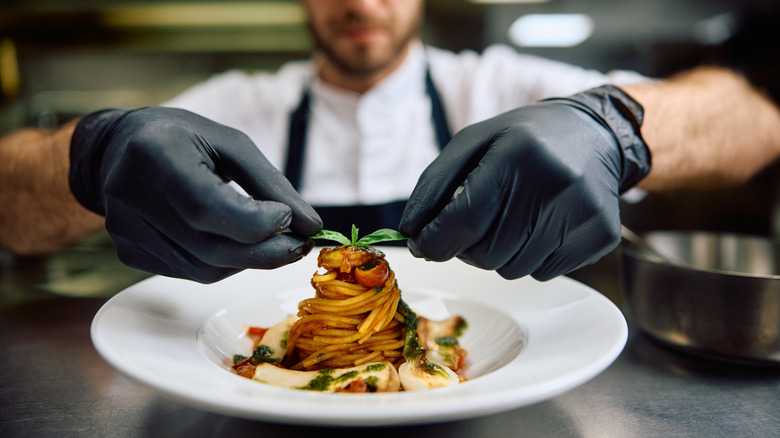
There's nothing more comforting than a good bowl of pasta. In fact, research has proven that eating pasta actually makes you happier. So by that logic, in the quest for happiness we should be all striving to make the best pasta possible. After time spent time working in kitchens and running my own food business (not to mention growing up in Italy and eating lots of pasta), let me tell you that the biggest difference between incredible restaurant pasta and the mediocre pasta you're making at home doesn't actually come down to the ingredients — it's all about the moment the pasta leaves the pot.
At home, we tend to follow the same script: we cook pasta until it's perfectly al dente, we drain it, and then add some sauce. But in restaurants, pasta almost never finishes in boiling water. It's taken out early, then finished in the pan with the sauce, which is where those last two minutes of cooking happens and where the flavor actually develops. This is actually a common pasta mistake that people miss — pasta continues cooking even after it's drained, and even more so once it's added to hot sauce. So if it's already perfectly al dente in the pot, then those extra minutes in the sauce will definitely overcook it.
What restaurant chefs do that home cooks don't
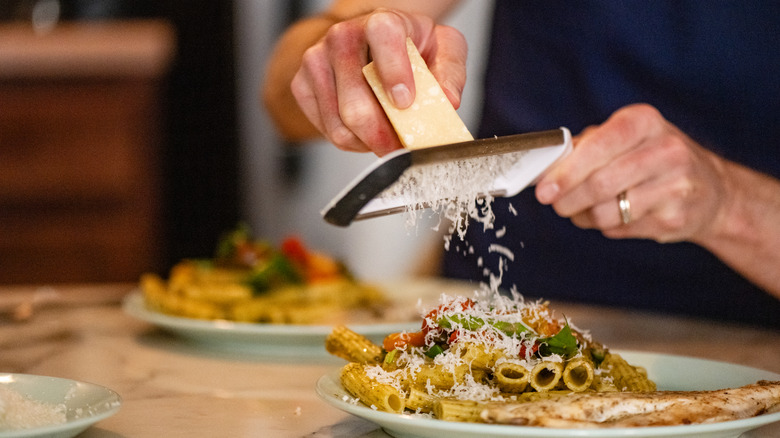
The thing that makes this all make sense is the sheer repetition happening in a restaurant kitchen. At home, you're making a quick pasta dish for dinner once, but in a restaurant, there's a constant cycle of pasta being cooked in the same pans night after night, which builds a sort of instinct. So chefs aren't watching the clock to tell them when the pasta is ready; they're much more part of the process, observing how the pasta bends and how the sauce drags in the pan. At home, a routine is boil, drain, serve, but in professional kitchens, pasta is treated as a component that only becomes "done" once it's properly interacted with heat, sauce, and movement.
This is part of why certain pasta shapes behave better in restaurant settings and the reason many people avoid ordering angel hair pasta in restaurants, as this thin pasta gives a chef almost no window for adjustment and improvisation. Thicker shapes buy time because they tolerate heat and let the cook steer the final texture rather than chase it. If you want restaurant-level results at home, do less of going through the motions and more of being in the process itself — let the pasta and sauce cook together long enough to change each other, not just to mix them up. With this in mind, you'll quickly be making restaurant-worthy pasta from your own kitchen.