

How Does Lead End Up In Your Food?
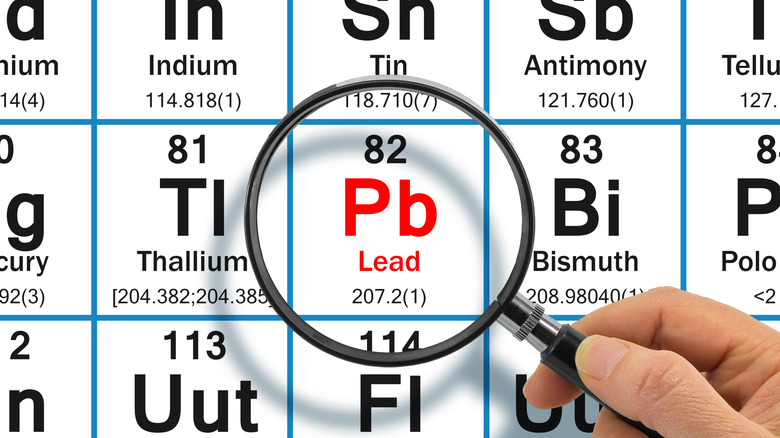
You probably know about lead in pipes and paint, but believe it or not, you also have to look out for lead in your food. It can be strange to think about the idea that food can contain lead — after all, you aren't chowing down on metal. According to the FDA, this poisonous substance can enter your diet from a variety of points, from the soil where food is grown in to the equipment used during processing. The toxic metal was once used in the food canning process, a practice no longer permitted in food processing facilities in the United States, though still used in some countries.
The trace amounts of lead that naturally occur in soil aren't typically enough to cause concern. When soil becomes contaminated from paint or gasoline, however, concentrations of the heavy metal can become high enough that they can contaminate growing crops. Certain spice blends can contain high levels of lead, which can get into the food during processing. Curry powder, anise seeds, chile powder, cloves, coriander, and turmeric have all been found to contain elevated levels of lead more often than other spices.
How to avoid lead in your food and spot poisoning symptoms
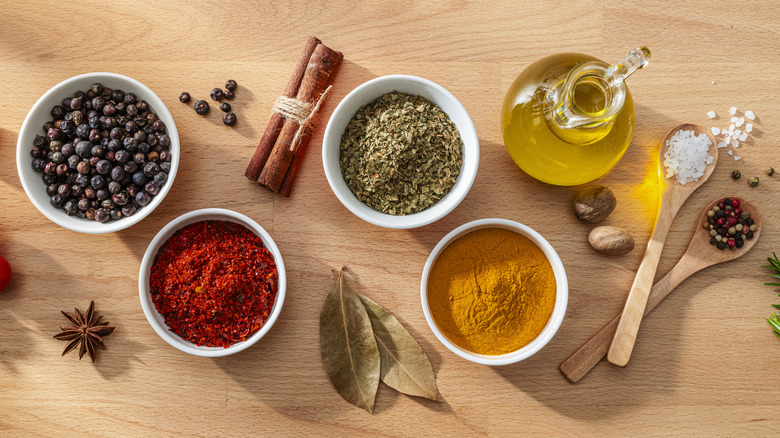
While it's impossible to keep all sources of lead from entering your home — especially trace amounts that are naturally found in the environment — there are steps you can take to limit your exposure and intake. One tool at your disposal is the FDA's Alerts, Advisories, & Safety Information website. You'll be able to get information about foods (Lunchables were in the news recently for containing worrying levels of lead) and other kitchen items, like certain cookware that can contain harmful amounts of lead.
Keep food in containers made of stainless steel or glass instead of antique ceramics, as their glazes may contain lead. You can also avoid exposure by avoiding spices sold in bulk bins, and making sure they're from countries that don't permit lead in food processing. Lastly, give your fruits and vegetables a good rinse to get rid of any lead-containing dust that might be on them.
It can take a long time for the negative effects of lead on the body to become apparent. If you eat foods that are frequently reported to contain lead and you notice symptoms of lead poisoning — such as memory problems, abdominal pain, headaches, and mood issues — that can't be attributed to another cause, it's important to talk with your doctor about a potential buildup of lead in your system.