

7 Types Of Mushrooms Explained
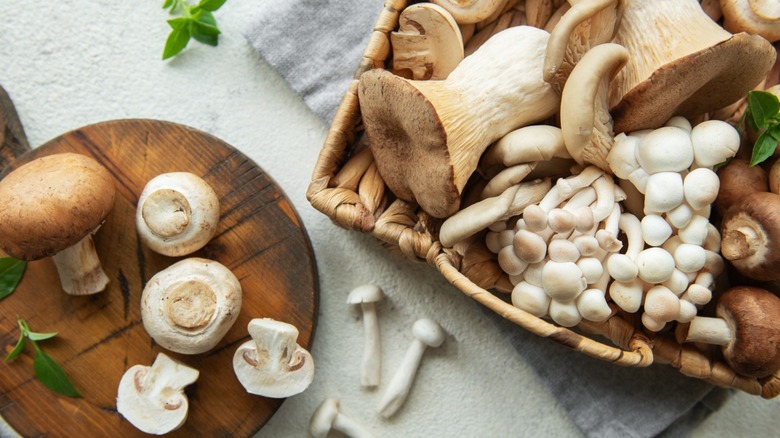
They may be a divisive ingredient in many households, but when prepared well, mushrooms can be a delicious addition to a dish. Many may think that they only provide limited flavors and textures, but the truth is, there are several different species and types of mushrooms that offer interesting characteristics that you wouldn't expect.
Whether you're new to cooking or are an experienced home chef, it's beneficial to learn about all kinds of edible fungi. If you aren't a fan of one type, try another! It's amazing how mushrooms can elevate a soup or replace fattening red meat on your dinner plate. They can even cater to specific international cuisines, working well in Asian stir-fries and Italian risottos. Being educated on the many species of mushrooms and how they're best used can really give you a creative edge in the kitchen.
There is certainly a surprising amount of different mushrooms, all with distinct qualities. Here's a breakdown of seven types of mushrooms for you to add to your ingredient arsenal.
1. Enoki mushrooms
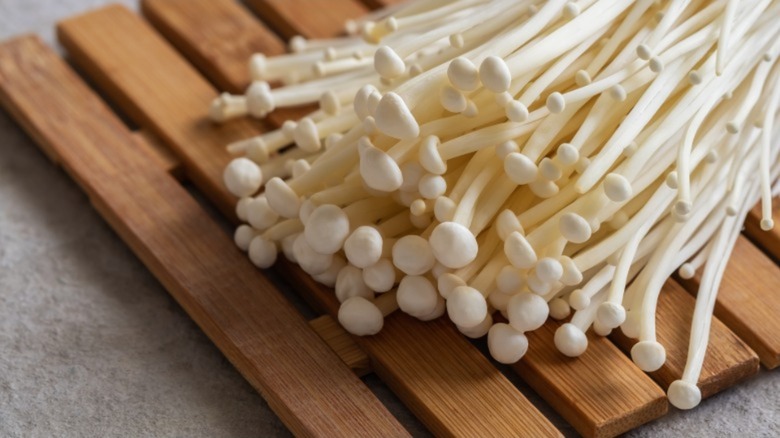
Mild but mighty, enoki mushrooms are popular in Asian dishes. As simple as they are, they really pack a punch and are known to pair well with hot pots and ramen.
Enokis have a light, nutty flavor and are sweeter than typical mushrooms. They have a crunchy texture that makes them a delicacy in saucy foods and soups, as they're great for soaking up the flavors of other ingredients they're cooked with. This variety is popular in noodle dishes and, due to their texture, can even be used as a substitute for fried fish for adventurous vegetarian cooks.
A very uniquely shaped mushroom (with long, thin stalks resembling a bundle of sticks), enokis come in bunches like many other vegetables and can be found in specialty grocery stores and Asian markets. Be sure to store them in paper bags in the refrigerator instead of the plastic they're usually sold in.
2. Portobello mushrooms
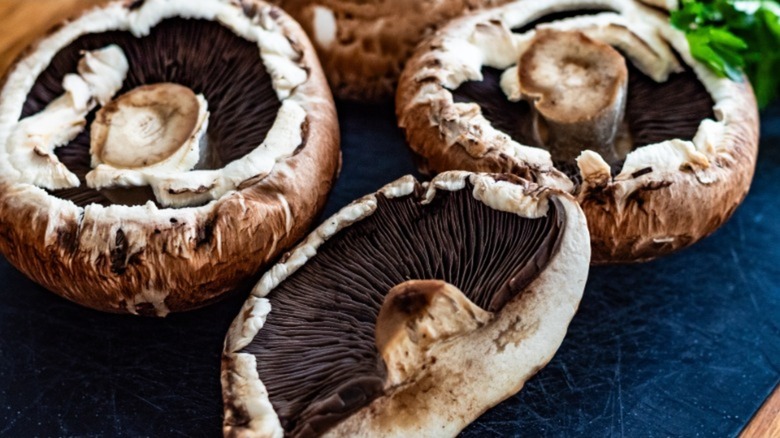
Portobello mushrooms are very versatile. They can be paired with many things and their savory flavor makes them a great option for vegetarian meals. These mushrooms are also quite common; they're easy to find and are available at most grocery stores.
Portobellos are larger than the average mushroom and have a famously meaty taste that makes them a common burger patty substitute. This is due to an abundance of umami, which is the source of the flavor we perceive as "savory." They're perfect for replacing meats as proteins in dishes, such as grilled burgers, lasagna, and even bacon.
Portobello mushrooms should be handled with care as they're fairly fragile and susceptible to bruising. They're somewhat wrinkly at times, and have distinct "gills" beneath their caps. These "gills" (or lamellae), which appear as carved lines, are essential to mushrooms' reproduction processes and are spread by gusts of wind to create more plants in the wild. But to those more interested in sautéing than science, they're just the long, flimsy strands found directly underneath the tops of the mushrooms, resembling crepe paper.
Like most strains of mushrooms, portobellos stay fresh for longer when stored in the fridge in a paper bag. They can also be frozen and thawed after a few months.
3. Shiitake mushrooms
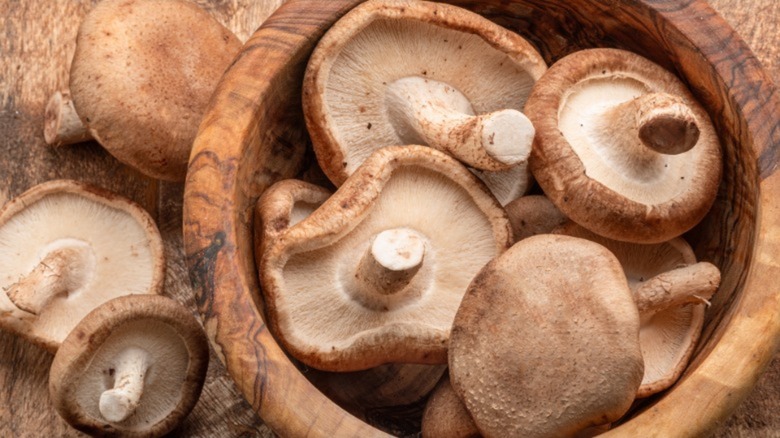
Another staple in Asian cooking, shiitakes have great nutritional value and are said to be the healthiest mushroom. However, use caution – shiitake mushrooms can cause skin rashes and other health issues when undercooked. When prepared properly, though, they are great either on their own as a side or added to a variety of dishes.
Shiitake mushrooms are sometimes confused with Portobellos due to their similar appearance, but they have a buttery different flavor. Though sautéing this type of mushroom is a popular choice, another delicious (and health-conscious) method of cooking shiitakes is simply grilling them with minimal seasoning to utilize their natural flavoring as well as preserving their nutrients. Many people enjoy adding them to stir-fry meals and using them for toppings on soup for a different, more cozy vibe.
It's widely recommended to store shiitake mushrooms in damp kitchen towels in the fridge until use and to avoid cooking the stems, as they can be tough in comparison to their caps' "velvety" consistency. They aren't hard to find, either, just check your local grocery store.
4. Button mushrooms
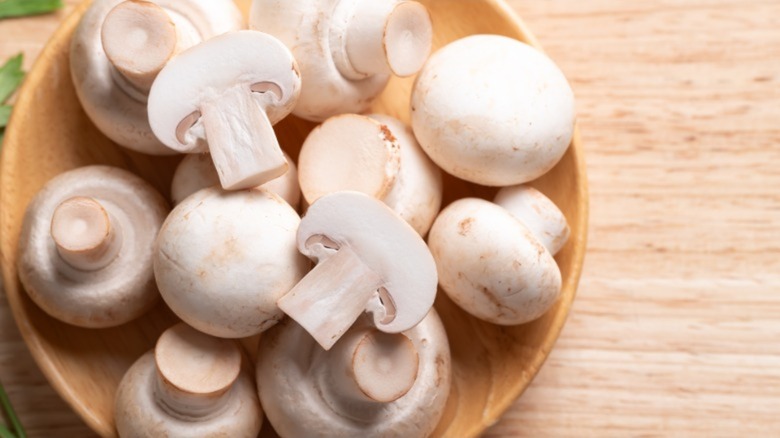
Button mushrooms are basically the stereotypical fungi we regularly see used in the kitchen. One of the most popular types of mushrooms, these small vegetables are widely available (found at most grocery stores) and are often enjoyed on pizza. However, they can also be utilized in French cuisine.
Button mushrooms are frequently used by top chefs. For example, Gordon Ramsay utilizes them in the mushroom duxelle (which is simply a mixture of thinly-chopped and cooked mushrooms) that he includes in his world-famous Beef Wellington. Even Julia Child used them in her delectable bœuf bourguignon recipe.
These versatile, hearty mushrooms are also packed with umami, albeit with a milder flavor due to their water content. They share DNA with Portobellos, which are the most mature version of button mushrooms. Buttons have traits that can offer different outcomes to certain meals despite the fact that they're technically the same species. You can freeze button mushrooms for up to six months, and should also store them in a paper bag in the refrigerator to keep them fresh until cooking.
5. Porcini mushrooms
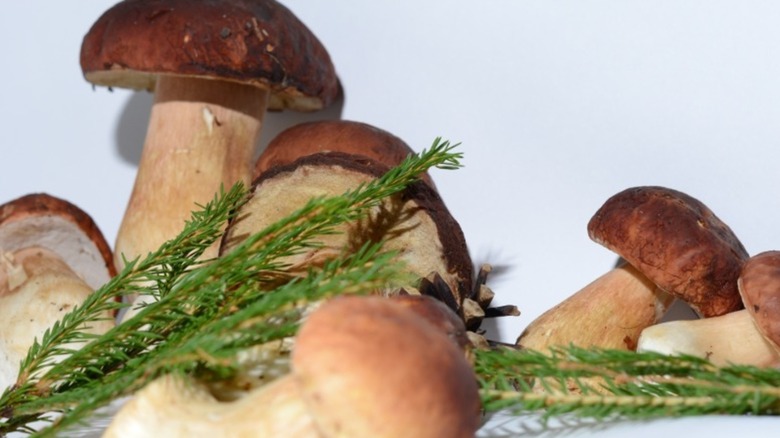
Porcinis are beloved in Italian cuisine. This flavor-filled mushroom is very popular in Italy and is ideal for risotto and pasta.
Before cooking, this nutty-flavored vegetable should be thoroughly washed. Most mushrooms should be cleaned with a dry paper towel, but much to the relief of those too busy to individually scrub each one, it's recommended that porcini mushrooms be thoroughly soaked for about half an hour before cooking. Don't throw the remnants away — it's actually a flavorful broth that can benefit the dish that it's being added to while contributing to the taste the mushrooms provide.
Porcinis are delicious when paired with hearty dishes like pasta, red meat, and even French dip sandwiches. They're delicious on their own as a side, grilled to perfection alongside entrees like meatballs, and you can also add them to vegetable-heavy dishes as an extra source of protein.
Store these mushrooms in a paper bag in the crisper of your refrigerator. They're available in the produce section at most grocery stores.
6. Oyster mushrooms
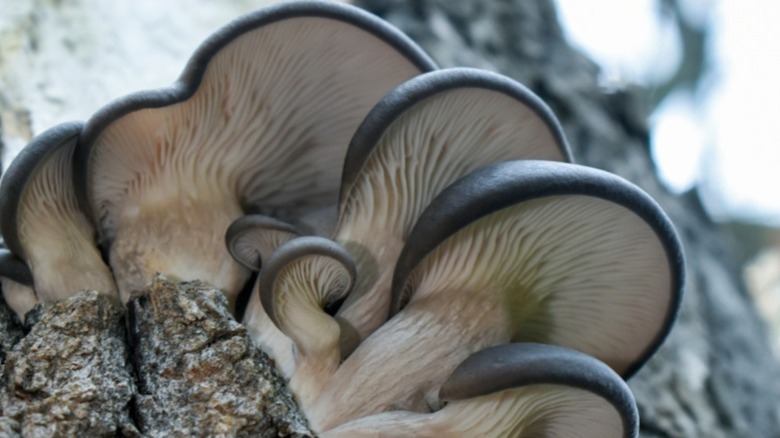
This unique mushroom is light, savory, and delicate. They're often paired with seafood, as the name implies. Oyster mushrooms are known to be quite mild in flavor, and their texture is often likened to that of cooked chicken. They're a great mushroom for frying and are a nice replacement for white meats, offering a choice to chefs who want to incorporate more vegetarian alternatives in their cooking. For example, these mushrooms can be fried in the same way as fish, with a simple batter and served with common seafood fixings.
While not extremely common, oyster mushrooms quite literally grow on trees – they're found on the side of wild hardwood trees and can even be harvested in home gardens. These mushrooms are incredibly easy to grow in any backyard, as they don't require a lot of care, they grow quickly, and they survive in harsh winters. They can be found in specialty grocery stores or can be ordered online. Oyster mushrooms can be safely saved in their store-bought packaging for a week, but they shouldn't be frozen.
7. Maitake mushrooms
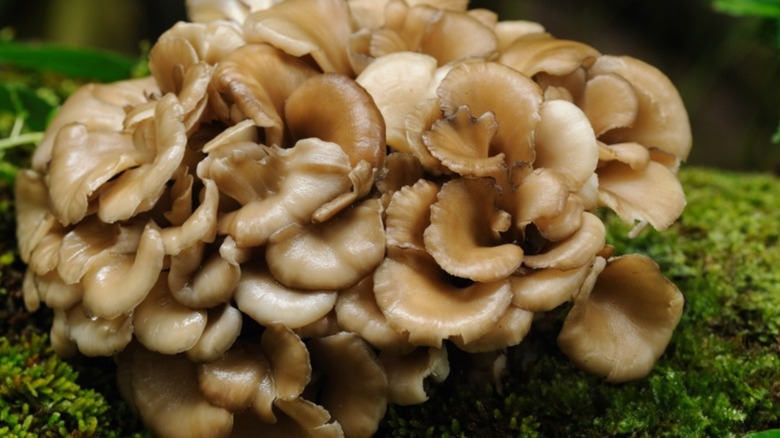
While maitake mushrooms may not be the most popular type of fungi found in the kitchen, they're definitely eccentric. They're a bit spicy and tend to absorb aspects of whatever foods they're cooked in, making them very adaptable and versatile. You may not be able to find these specific vegetables in your regular grocery store, though; if you're looking for them, try health-focused places like Whole Foods.
This native Japanese mushroom is famous for offering several health benefits, such as providing relief for diabetes symptoms and aid for the body's immune system. They even supply inflammatory qualities in skincare products, per The National Library of Medicine, and benefit the face by providing moisture, brightening skin tone, and promoting a youthful appearance. Basically, these mushrooms really deliver and are recommended to those seeking healthy superfoods to include in their diets.
Store them in the fridge wrapped in a dampened paper towel within a paper bag for maximum freshness (you can even keep them on the counter if you plan to use them quickly). After this, maitake mushrooms don't require a lot of elbow grease while prepping – chefs recommend tearing instead of cutting with a knife. You can enjoy maitake mushrooms in all kinds of dishes, from soups to salads.