

Why Some Leftovers Taste So Good
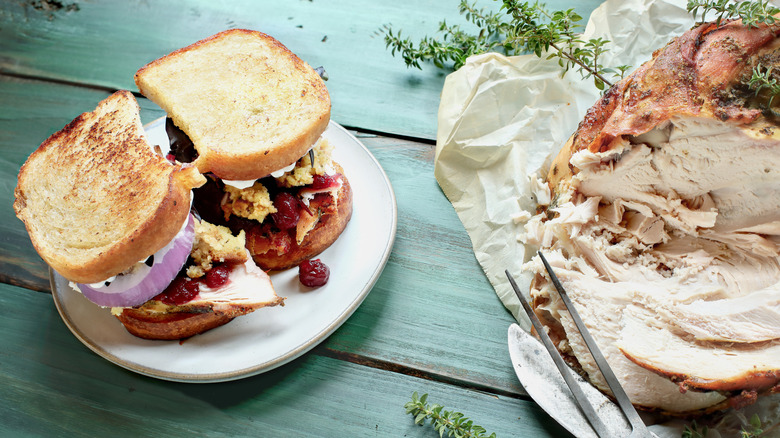
It's Saturday evening, and you've decided to treat yourself to a fancy dinner with your friends at your favorite local spot. The portions there are so generous, though, that you end up packing the leftovers to take home — saving yourself from having to spend hours figuring out what to cook the next day. There are some leftovers you should always take from a restaurant, whether it's juicy barbecue pulled pork, meatballs simmered in marinara sauce and topped with mozzarella, or even a classic Greek moussaka.
There are also some genius ways to repurpose leftovers. In fact, many leftovers actually taste better after spending a night in the fridge. The reason why this happens has everything to do with science. Hearty dishes such as stews or casseroles trigger multiple chemical and physical processes, including the Maillard reaction, which involves reducing sugars and amino acids. This is what creates the browning and rich aromas and flavors in steaks and pastries.
However, the Maillard reaction doesn't stop once the cooking ends. It keeps going at a slower pace, giving the dish more time to develop flavors. Storing leftovers allows the ingredients to meld further, resulting in an even richer taste. This slow flavor diffusion, which takes place as molecules shift and interact, helps the dish develop a deeper profile as it cools. Reheating the leftovers after they've been in the fridge then reactivates some of the earlier reactions, including the Maillard process, making the dish taste even better the second time.
Which leftovers are best reheated
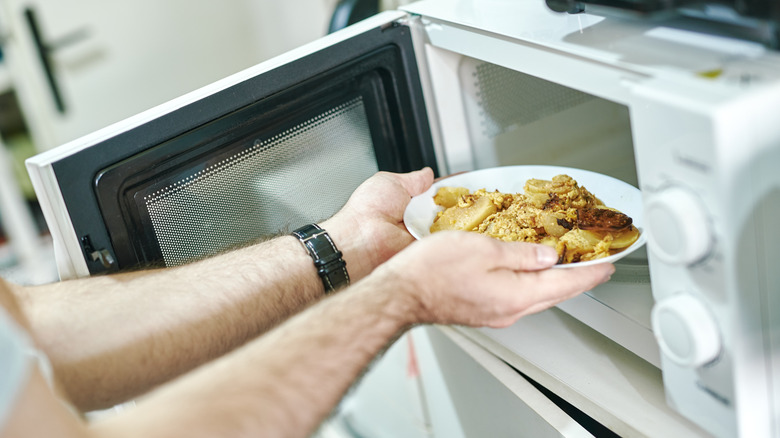
Another thing that happens with leftovers is that the collagen in proteins has already broken down during cooking into gelatin. If you're wondering what in the world gelatin is, it's simply a protein derived from animal collagen. The gelatin then improves a dish's overall texture, making it creamier and thicker.
The temperature you reheat your food also matters. Research also shows that our taste receptors are activated by heat. Because of this, we're able to detect stronger umami flavors after a dish is warmed. And to ensure safety, the U.S. Department of Agriculture recommends heating leftovers to at least 165 degrees Fahrenheit.
So, which leftovers benefit most from sitting overnight? In case you've stored some stew or curry for later, you'll be glad to know they often taste better the next day. The same goes for lasagna, mac and cheese, or any other kind of pasta due to a process called starch retrogradation that improves their texture. Braised meats, rice, and marinated dishes also make great leftovers.