

Gas Or Induction? Which Type Of Stove Is More Affordable Long-Term?
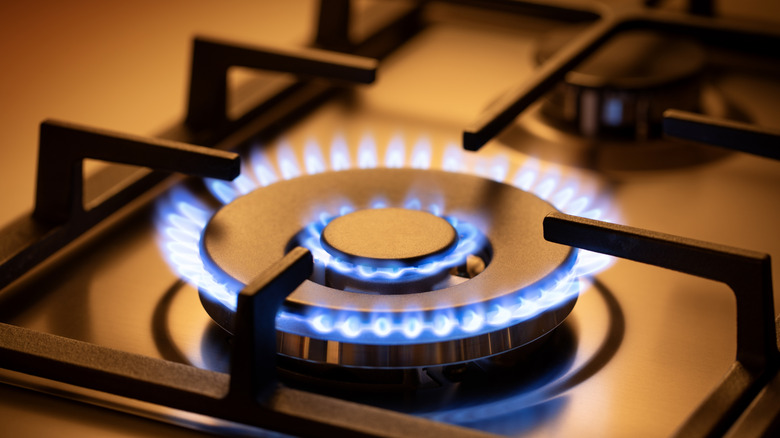
To the casual observer, gas and induction stoves are part of the same family, sort of like cousins. Despite gas having the more "old-school" charm of a naked flame and induction being a bit more new-age, they have the same basic premise and function. But in understanding the different types of cooktops and more specifically when it comes down to the cost to run them, they can start to deviate. In making a choice between the two we have a tendency to focus on efficiency, wondering whether induction or gas stoves boil water faster, but there's actually a whole other story showing up more quietly in our monthly bills.
Gas stoves generally have a cheaper upfront cost to buy and install them, which should be noted when discussing price. They are great for giving you a real sense of control in adjusting the flame and the heat and then, by association, you'd think in the energy used too. The issue, however, is that a gas stove can lose heat to the air around it, and that lost heat is energy you have to pay for. On the other hand, induction stoves simply heat the pan itself, which means less energy goes wandering off into your kitchen. And while current electricity prices matter too, that more concentrated use of energy means that an induction stove usually often costs less to run in the day-to-day.
Looking at the bigger kitchen picture
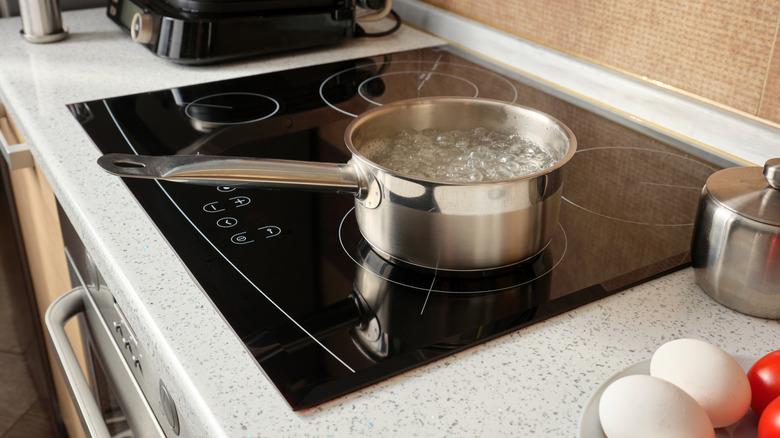
Your cooktop burner isn't the only part of your kitchen that is trying to drain your bank account each month. In the bigger picture, ovens are probably the appliance running up the highest energy bill, and the type of stove you choose usually pairs with a specific oven design. Induction cooktops often come as part of more efficient all-electric packages with electric fan ovens that can help bring down overall household energy use. However, gas may still be the more sensible option in places where natural gas is cheap or electricity is particularly expensive. It's about understanding where you are.
There are other factors to bear in mind here. Induction hobs need specific magnetic pans as opposed to gas, which will heat up basically anything. So, if you have a full set of pots and pans that are not induction friendly, you'll need to reinvest in a whole new set in order to use an induction hob, which can also add up when first making the switch. Homes with solar panels tend to favor induction because it means extra power can be used for cooking at almost no added cost. Because induction also produces less excess heat in the kitchen, the kitchen itself stays cooler, which means the AC doesn't need to run as much when you're cooking for long periods of time, saving on those costs too. Each system has its perks, but in the end, induction tends to edge ahead for all those steady and predictable running costs. Gas will always have its defenders, but those numbers on your bill don't lie.