

Revive Dry, Stale Cake With A Steamy Oven Trick
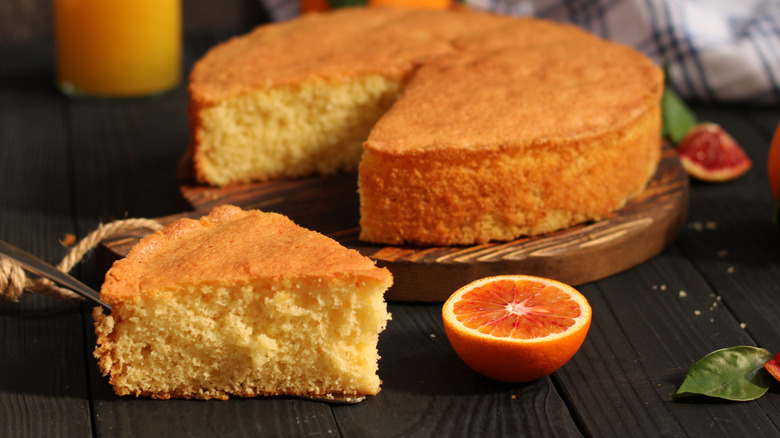
A tired cake does not ask for much. It only wants a brief vacation in warm fog that melts the stiffness right out of its crumb. Many dry cakes do not actually lose flavor. They only lose swagger. They grow tight and grumpy after a day on the counter, like someone who has slept in the wrong chair. The fix is not to upgrade your cake by adding homemade frosting or microwaving or drowning it in cream; the real magic happens when steam sneaks back into the sponge and coaxes those crumbs to loosen up again.
The setup feels almost too easy. An oven-safe dish of water goes in first so it can heat until it sends soft plumes around the oven. This creates a small indoor climate that mimics the gentle humidity of a bakery kitchen. Stale cake and steam are old friends that rarely meet, so when they finally do, we don't need any secrets of better baking. Five minutes above the steam bath and the dull edges soften. The crumb regains that faint spring that signals moisture returning to the right places. Dry cake smells like sugar dust. Revived cake smells like something that was loved enough to bake at home. This little trick rescues slices that feel past their prime, whole cakes that have been ignored for days, and even cupcakes that have spent too long on display. Steam turns regret into dessert again.
Why steaming works and when to use it
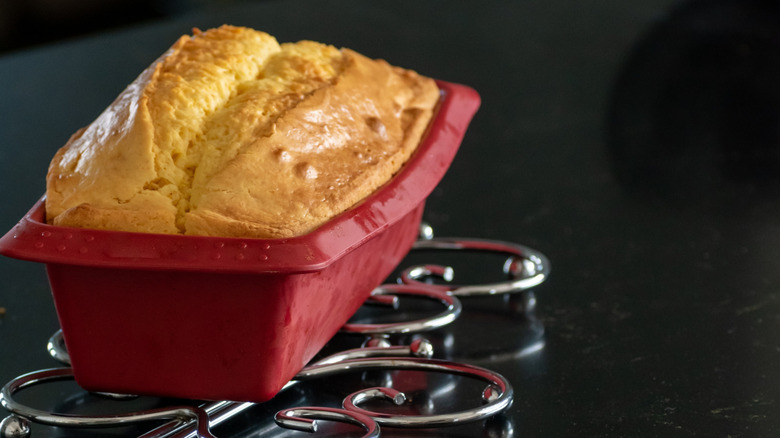
Steam is the great equalizer of baked goods. It slips into stale cakes through every tiny opening and plumps the crumb from the inside. Unlike microwaving, which blasts heat in straight lines and leaves pockets of rubbery misery, steam treats the cake like something delicate. It loosens the structure slowly so the sugar and butter that hardened over time return to a soft partnership. This is why even bakery leftovers react to this trick as if the clock rolled backward. The heat is low. The moisture is high. The transformation is quick.
This method works best when the cake is dry or slightly stale but not fossilized. If it bends with a little pressure, steam can save it. If it snaps like chalk, nothing but a blender and a trifle bowl can help. Use this approach for classic pound cakes, snack cakes, sheet cakes, and anything that was once soft enough to dent with a finger.
There is no need to hover. Five minutes is enough time for the crumb to relax without turning soggy. Bring the cake out, let it catch its breath, and slice in to see the revived interior. The texture returns first, then the flavor, and suddenly the cake decides to act like the fresh version you remember. It is a small trick, almost suspicious in its simplicity, but it keeps good cake from going unloved.