

Harvest Kale For Months With One Smart Vegetable Garden Technique
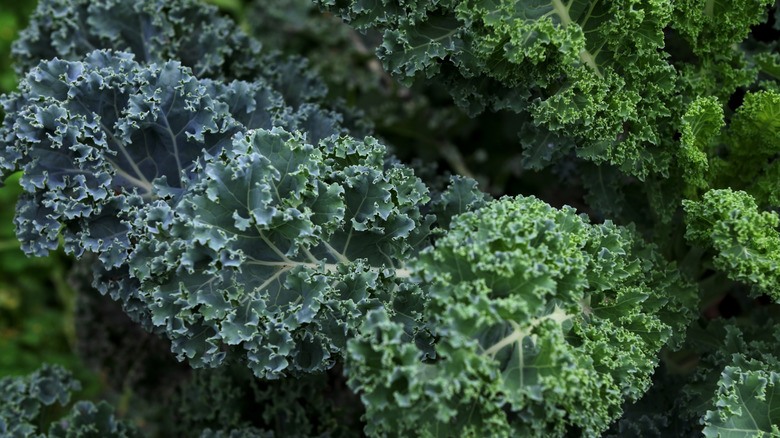
Kale has stepped into the spotlight over the past decade. Once a garnish at salad bars, it's now a front-and-center vegetable known for its high nutrient content. Growing kale at home is a great way to save some cash and keep a super-fresh stock of the nutritional powerhouse on hand. The way you harvest your kale can make a serious difference when it comes to your crop yield, however. Erika Nolan, homestead consultant and creator at The Holistic Homestead, spoke exclusively with Chowhound about how you can get the most out of the kale plants in your garden.
Technique matters, according to Nolan. "If you harvest it correctly, you can maximize how much you can get!" If your family consumes lots of veggies, kale is a great starter crop, and understanding how to help it grow is key to creating a successful garden. She says that pruning your kale from the bottom — rather than cutting leaves off of the top — can help you get the most out of your kale plant. "If you harvest the larger outer leaves," Nolan says,"the kale will grow into what looks like a small tree." When you cut the plant from the top, however, you're damaging a part of the plant called the meristem, which can cause growth issues. "It's best practice to prune from the bottom up to create your kale tree to maximize your harvest," Nolan recommends.
More tips to grow healthy, bountiful kale
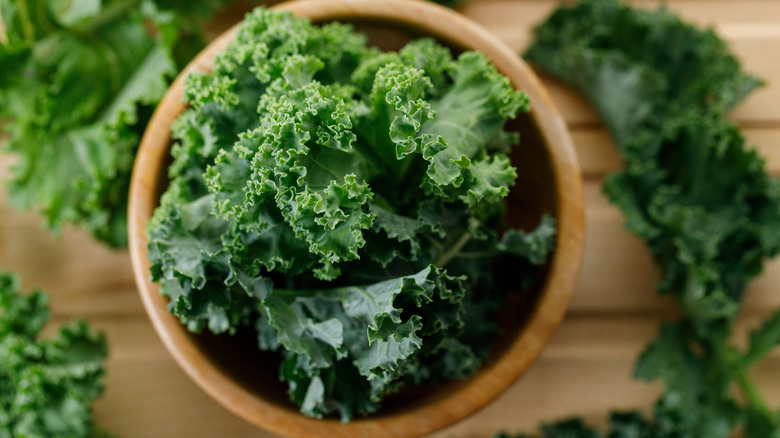
When it comes to creating a productive kale garden, you'll need to consider more than your harvest technique. "The key to kale alongside other veggies is a balanced ecosystem," says Erika Nolan. She says that it's not a good idea to spray your garden with pesticides — rather, let nature do its thing. "Cabbage worms are bound to find their way onto the leaves and can completely skeletonize the plant," she says. Leaving your plants alone — rather than spraying them with chemicals — attracts insects like parasitic wasps to your vegetable garden that kill cabbage worms.
When it comes to location and temperature, kale plants aren't picky. It is a veggie that has no problem growing in the shade — just a few hours of sunlight a day is more than enough for kale plants to thrive. Low temperatures aren't a problem, either. "It can handle gentle frosts and even temperatures in the 20s without dying back completely," says Nolan. The bottom line: If you're just getting started with vegetable gardening, or you're looking to seriously increase your veggie intake, it's smart to plant kale in your garden. Taking a little bit of time to learn how to plant and harvest it correctly can help you make the most of your hard work.