

The Reason Mexican Coffee Beans Stand Apart From The Rest
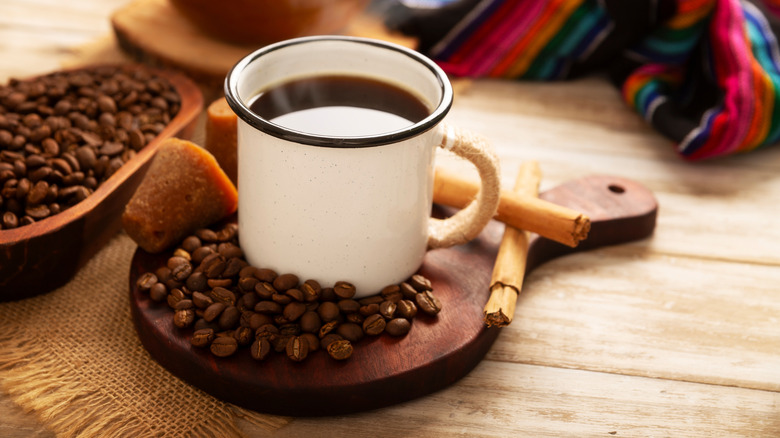
One does not need to be a coffee connoisseur to know it's not just the species of coffee beans that makes a difference in their respective taste. It's also a matter of where and how the beans were grown and harvested. Naturally, coffee beans sourced from different regions, let alone countries, would have a characteristic taste owing to varied climates, soil conditions, altitudes, and other key factors.
Most coffees originating from Mexico are produced in Chiapas, Puebla, Oaxaca, and Veracruz, all regions along the south of the country. They share favorable growing conditions for coffee beans, including higher altitudes, tropical weather, and enriching soil. They also share harvesting methods that have been passed down for centuries and date back to the practices of indigenous communities. This means ethical, planet-friendly practices are at the core, which we think makes the coffee taste even better.
Whether you prefer your coffee black or enjoy it in all its frothy glory in a latte or cappuccino, seek out Mexican coffee to taste the difference for yourself. For the 21-and-older crowd, you can have a delightfully ingenious take on an espresso martini when Mexican coffee is paired with the perfect choice of tequila. Alternatively, use the coffee in a carajillo, a traditional Mexican coffee cocktail, to give a traditional espresso martini a run for its money.
Diversity of Mexican coffee varieties
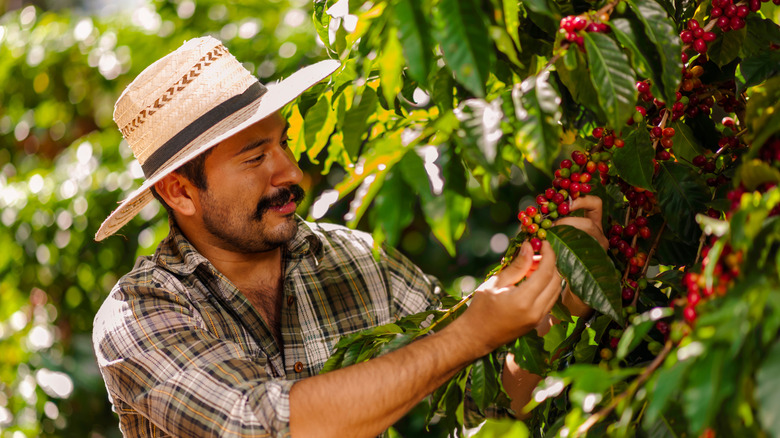
Though not in the lead as the country that produces the most coffee in the world, Mexico has plenty in its favor when it comes to why varieties from the prominent coffee-growing regions are so desirable. Mexico is a large country with varied microclimates, meaning the climate in one small region can vary significantly from that of its near surroundings. Depending on whether the coffee was grown in mountainous regions or close to tropical coasts, it's only natural that there are some notable differences in taste. Just like how the same recipe can taste different depending on who makes it or the kitchen where it's made, the same species of coffee can yield different results due to varied external factors.
The state of Chiapas is home to about 40% of Mexico's coffee. It's often touted as the superior choice thanks to the abundance of rainfall that enriches the volcanic soil of the region. Veracruz produces about 25% of Mexico's coffee; it's known for being smooth, buttery, not too acidic, and on the sweeter side thanks to its mountainous landscape, lush vegetation, and tropical conditions. Oaxacan coffee, which is grown at lower altitudes, offers more subtle yet sophisticated flavor, less acid, and citrus-forward notes. Puebla, home to an active volcano, is known for coffee with a complex, balanced flavor with a mild touch of acidity. This diversity makes Mexican coffee shine on a global dais, offering something special for every coffee drinker to enjoy.