

The Costco Pantry Staple That's Actually Worth Buying In Bulk All Year Round
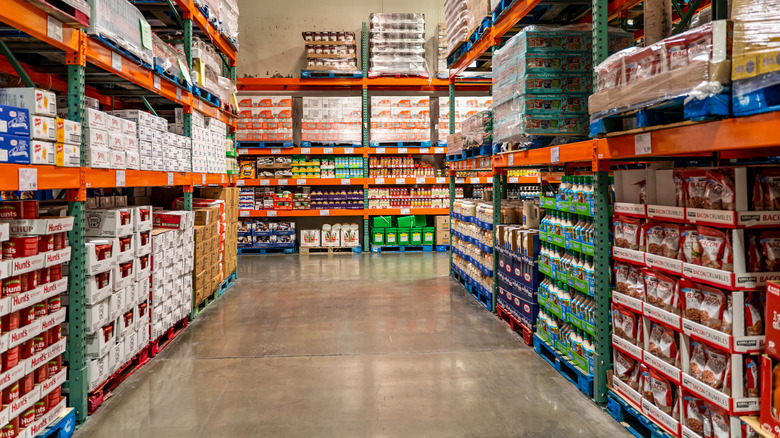
There are some pantry staples that you never leave a store without restocking, like butter, milk, and sugar. These ingredients are common in various desserts, hot drinks, and meals, regardless of cuisine — making them universally valuable. Of those mentioned, granulated sugar is one of the most distinctly cost-effective items to buy in bulk all year round, especially from Costco. This is because it's shelf stable, and, therefore, has no impending expiration date that you have to worry about, as it virtually never goes bad.
Granulated sugar at Costco is sold at a reasonable price of about $20 for a 25-pound bag of Imperial Granulated Sugar (depending on location). When gauging just how much bulk you should buy, it helps to know how many cups of sugar are in a pound: Each pound equates to about 2 ¼ cups of sugar. Not only will you save money, but buying bulk sugar is also more sustainable since you reduce packaging waste.
Costco is well known for its deals on bulk products, but you don't always have an unlimited amount of time to use them up. Though some customers unknowingly fall into the bulk shopping habit that could be costing them hundreds of dollars, sugar is one ingredient that is undeniably worth the purchase. And if you're worried you won't find enough ways to make the most of your granulated sugar, you can also make powdered sugar at home, for example, and expand its uses.
How to properly store bulk sugar
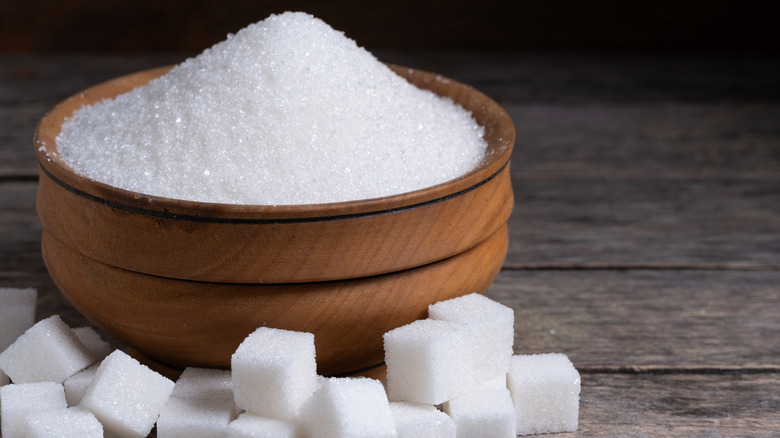
While sugar has an indefinite shelf life, there are still a few storage tips to consider. Once it's opened, especially if you buy in bulk, it is best to move sugar to sealable containers like food grade buckets or Mason jars. Airtight containers are the way to go in order to control the environment and quality of sugar. Containers with poor or loose seals may allow bugs to infiltrate your ingredient, rendering it at risk for contamination and making it unusable. Preventing exposure to moisture is also important in order to extend the shelf life. If your sugar becomes wet, it may degrade in quality and promote mold growth. Additionally, wet sugar tends to harden and clump. If this isn't properly managed from the moment you open the bag, you may be stuck trying to work with a brick of sucrose.
Additionally, consider ways of keeping your bulk sugar safe from temperature swings, as this can also negatively affect it. The same goes for exposure to excessive sunlight, so make sure you're storing this product in a dry, dark place. But don't store it in the refrigerator, as this can cause further exposure to unwanted moisture. Sugar also tends to be susceptible to the smells around it. Therefore, choose a container that prevents granules from absorbing undesirable odors that might affect the quality of your bulk sugar.