

The Fascinating Role Potatoes Played During A WWII Submarine Battle
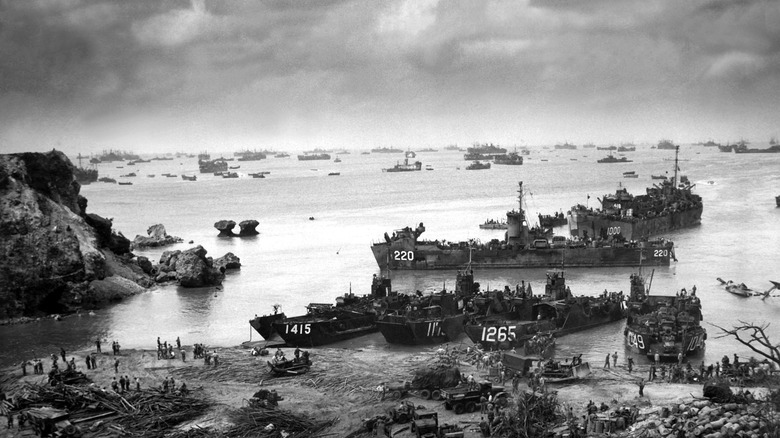
War has seen its fair share of strange heroes — pigeons carrying messages, dogs detecting mines, and in one unforgettable naval skirmish, a sack of potatoes taking on the Imperial Japanese Navy. It happened in April 1943, in a dark stretch of Pacific water called "The Slot," where the U.S. destroyer USS O'Bannon squared off against a Japanese submarine.
When the O'Bannon's radar spotted the sub off the coast of Santa Isabel Island, the crew went full throttle. They closed in so fast that the destroyer came up right alongside the sub — too close for gunfire or depth charges. But as the story later spread, the real ammunition that night came not from barrels but from the galley. Too close for a proper blast, the American sailors allegedly began pelting the enemy crew with whatever they had on hand — including potatoes. Yes, dinner potatoes. The same kind they would slice into crispy, buttery fried potatoes or use for cooking mashed potatoes on quieter days.
The story goes that the startled Japanese sailors dove for cover, leaving their deck unmanned. In the chaos, the sub slipped beneath the waves and never resurfaced. The legend was so good that Maine potato farmers sent the O'Bannon a plaque to honor the heroes of the potato war. The Navy never officially confirmed the potato barrage, but eyewitnesses from the crew swore they saw those tubers flying. Some even claimed that those humble spuds helped seal a victory that night. History has rarely tasted more starchy.
How a galley staple became a weapon of war
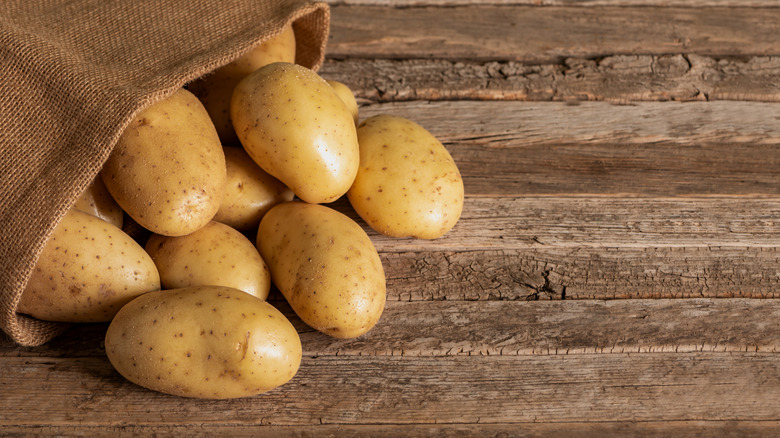
If the story of the O'Bannon sounds too absurd for military archives, that's because it probably is, but it is also too good to be ignored. Food has always found its way into combat folklore; Napoleon is famously misquoted as saying, "An army marches on its stomach," Civil War soldiers were known to boil coffee before heading to the battlefield, and the rations of WWI produced a hearty vintage potato dish. The O'Bannon's potato saga became a morale story — the kind that reminded men that humor could survive even in the fog of war. The myth ripened in newspapers and magazines through the '40s and '50s, and Maine's potato industry milked it for all it was worth.
Whether those spuds really left the deck or not, the O'Bannon's story shows how food often anchors memory. The potato for many in the Navy became more than a fancy side dish. It became a symbol of ingenuity under fire, of sailors turning kitchen scraps into comic legend. In the end, it does not matter if the tubers actually sank the sub — what matters is that, for one impossible night, they nearly did. As they say, history is full of bullets, but this one came lightly salted and butter-ready.