

The Secret To A Truly Great Cake Isn't Just The Recipe — It's The Pan You Use

Perhaps you've discovered a promising cake recipe and are ready to bake it to light, fluffy perfection. But before you preheat the oven, there's one important detail to consider that matters more than you might think: the kind of baking pan to use. With so many styles and materials of pans to choose from, we spoke with Kristina Lavallee, owner of The Cake Girl, an award-winning bakery in Tampa, Florida, to get her expert insight on the best pans for baking and how to use them.
Does the material of a pan really make that much difference? "It's a bigger deal than most people realize!" Lavallee explained, given the differences in how glass and metal pans conduct heat. "Metal pans, especially aluminum, heat up quickly and distribute heat evenly — perfect for an even rise and nice golden edges," she said. And even among metal pans, there's still variation. "Darker pans absorb heat faster, so your cake might bake more quickly or brown deeper," she added.
When it comes to glass pans, some bakers avoid them entirely because they heat up more slowly than metal pans and stay hot longer. "That can cause cakes to overbake around the edges before the center is fully done," Lavallee said. If you're looking to upgrade your bakeware, consider investing in the same types of pans professional bakers use to help you achieve bakery-quality confections at home.
Tips for baking the perfect cake
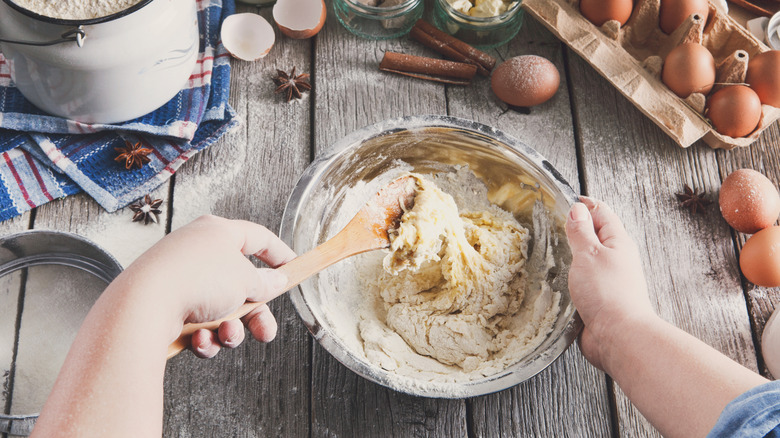
There's even more nuance when you consider the thickness of your pan. "Thicker pans tend to distribute heat more evenly and reduce hot spots," Lavallee explained. Glass pans are typically thicker than metal ones, but if it's all you have on hand, there are still ways to make it work. "If I'm using glass, I'll drop my oven temperature about 25 degrees Fahrenheit and check the cake a few minutes early," she said.
Preparing your pans properly is also crucial to a good bake. "A quick spray or thin layer of grease can be the difference between a perfect release and a stuck cake," Lavallee said. Additionally, she recommends using room-temperature ingredients, which mix better and bake more evenly, and stirring gently to avoid overmixing. "That's when gluten starts to develop, which can cause dense or sunken centers," she explained.
There's even a proper way to position multiple cakes in the oven if you're baking a layer cake to achieve even density and consistent texture. Lavallee said rotating pans midway through baking can also make a big difference, especially in ovens that don't heat evenly. The final ingredient you need for a perfect cake is patience. "Don't open the oven too soon! That sudden drop in heat can deflate your cake before it's set," she said.