

Why Goat Cheese Tastes So Different Depending On Its Age
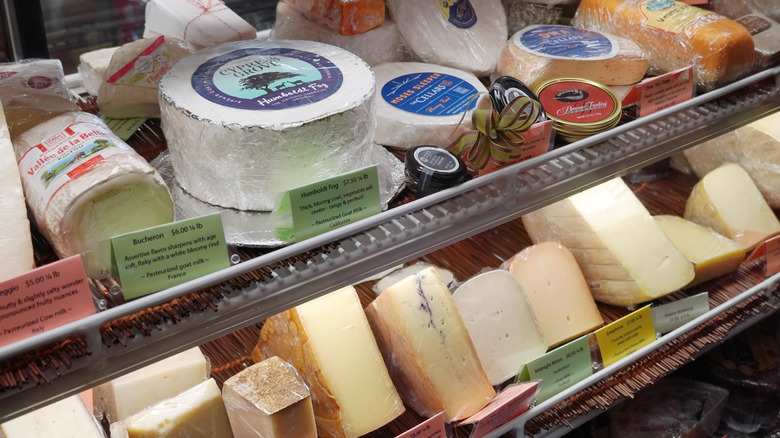
Goat cheese has more mood swings than a barista on a double shift. One day, it's a tart, chalky nugget of brightness that makes salads sing; a few days or weeks later, it might morph into a creamy diva that would give any pizza a deliciously tangy twist. "A cheese's style and maturity level are what give it personality," says Matthew Rose, American Cheese Society certified Cheese Professional and Sensory Evaluator, speaking exclusively with Chowhound.
Think of style as the recipe and maturity as the timeline. A fresh chèvre, barely a week old, is essentially milk's happy accident — acidified fast, drained quickly, and meant to be eaten before it realizes it is cheese. Its texture is crumbly, and its citrusy and lemon-clean flavor profile reflects the higher lactic acid levels in fresh goat milk.
But leave that same cheese to rest in a cave, and the transformation begins. Bloomy-rind beauties like Humboldt Fog ripen from the outside in, developing that dreamy cream line just beneath the rind as cultures break down proteins and fats. The result is pure magic: What starts off tangy and zippy turns mushroomy, even peppery, with a faint barnyard funk. It isn't rot, just controlled decay curated by affineurs who babysit every wheel, checking rinds like proud parents of fermenting toddlers. Rose compares it to fruit ripening on the counter: "I like to think about these cheeses like fruits — everyone has their own preference on how ripe they like their bananas. Soft-ripened goat's milk cheeses will be bright, tangy, and citrus-y when young and then develop into earthy/mushroom-y, peppery, and animal-y (like barnyard)." Take month-aged Spanish Monte Enebro, which develops a gnarled, grayish-white rind with a fudgy, creamy center that's equally earthy and bright.
When patience turns milk into alchemy
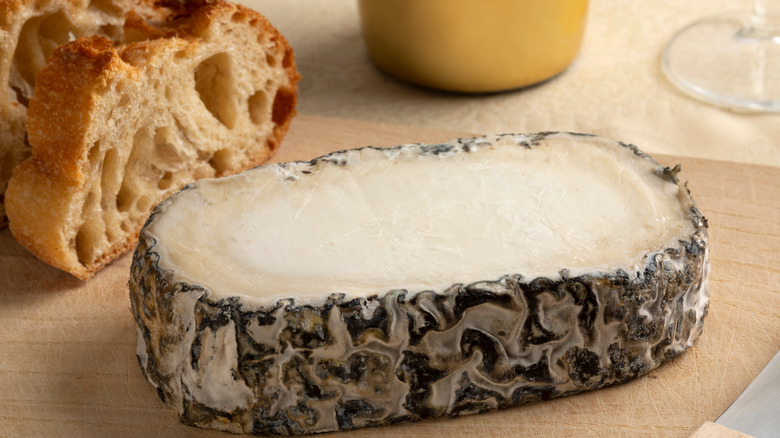
Goat cheeses are the monks of the dairy world. They are quiet, disciplined, and patient enough to age gracefully. As they lose moisture, their flavors deepen, acidity mellows, and their textures turn dense and crystalline. A six-month-old goat cheddar may whisper notes of nuts, caramel, and malted milk, while a year-old Spanish-style goat gouda can taste like sunshine trapped in salt. The secret lies in the microbes' long game. As proteins and fats break down into amino acids and flavor compounds, they build complexity and refined taste.
Matthew Rose notes that "a cheese's ultimate flavor and texture depend on a long chain of diligent artisans." This includes not just the farmers feeding the goats, but the affineurs tending the caves, and really every hand along the line that leaves its mark on the cheese's flavor. One wrong step — a goat fed poor forage, milk handled roughly, or caves that are too humid — and the cheese might sulk into mediocrity. "It can only be as good as the ingredients and the care that go into it," Rose says.
When all goes right, you get something transcendent: perhaps a slice that crunches softly under the knife, releasing aromas of candied filberts and grass after rain. Use younger cheese for quick prep salads or crostini where brightness matters. Save aged wheels for pasta or late-night revelations. And devoid of any age considerations, you may decide to top your burgers with this luxurious, creamy cheese to take them to the next level. There is no single "best" moment to eat goat cheese, only your moment. Like a fine story or an old friendship, it matures differently for everyone: sharp at first, but unforgettable if you give it time.