

The Best Way To Save On Groceries (And Eliminate Waste While You're At It)
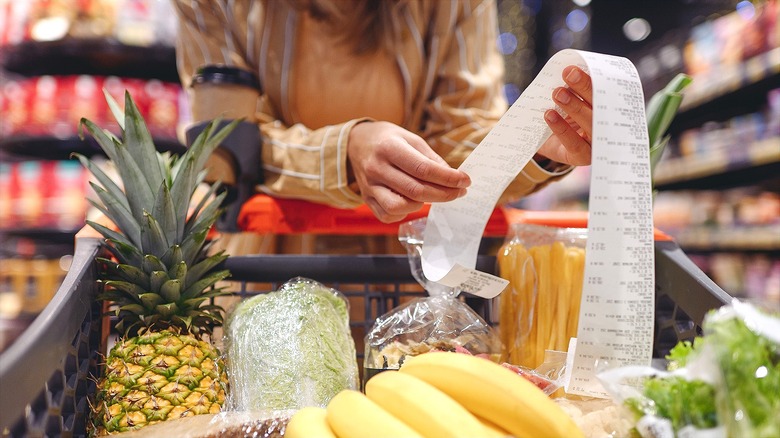
When it comes to weekly food shopping, footing the bill has become a stressful feat for many. Fortunately, Chowhound was able to secure some worthwhile shopping advice from money-saving expert Alli Powell, founder and owner of Grocery Getting Girl, an easy-to-navigate website full of simple recipes and strategic tips to help you shop smarter when it comes to food. Powell's No. 1 recommendation is meal planning. "Instead of guessing on what might sound good for the week and buying that, you are creating a plan with a detailed list to go with it."
That stands to reason. Among the many grocery shopping mistakes you don't realize you're making, going shopping without an itemized list is a recipe for disaster. Before you know it, you're adding extras to your shopping cart and, ultimately, leaving with more snacks and frivolous buys than necessary.
But you also need to know what you're going to make for the week. And the best way to do that is to take stock of what you already have on hand. Otherwise, in addition to loads of tidbits you don't really need, you may end up without everything you need to make a complete meal. According to Powell, you can't plan around what you already have when you shop without a plan. So it's crucial to take the time to decide on recipes and write down exactly what you need for the coming week. In addition to preventing last-minute grocery store runs, it minimizes food waste.
How meal planning reduces food waste
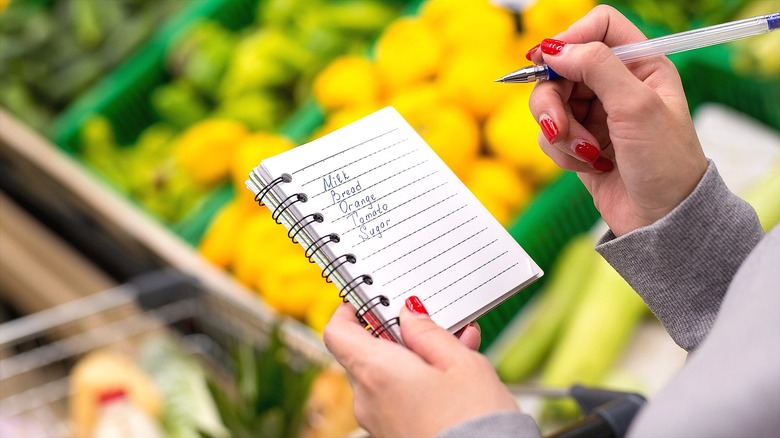
Taking the time to create a meal plan that helps use up leftover food items leads to less food waste and more follow-through with the plan itself. According to grocery shopping expert Alli Powell, it becomes a plan you want to stick to because you're taking the time to think about how to use those leftover ingredients in creative new ways. Plus, you want to see these new thoughtful meals you've created come to fruition.
And with a solid plan, you throw out less food and know exactly what to make each day of the week. Start by going through your refrigerator to determine what fresh foods you have on hand. Then, simply build your grocery list with these ingredients in mind. When it comes to your actual shopping list, Powell advises you always have a physical copy on you, either written on paper or available from the convenience of your phone.
That way, you're prepared to save money even when you're not in the grocery store. For example, many of the deals available aren't promoted in store apps. They come from coupons, which are among the most important secrets grocery stores don't want you to know. You'll also have it with you when you make a last-minute stop at a store you're passing, which is important since shopping at multiple grocery stores can help you save money.