

Need A Pie Crust Alternative? Try This Dinner-Time Leftover
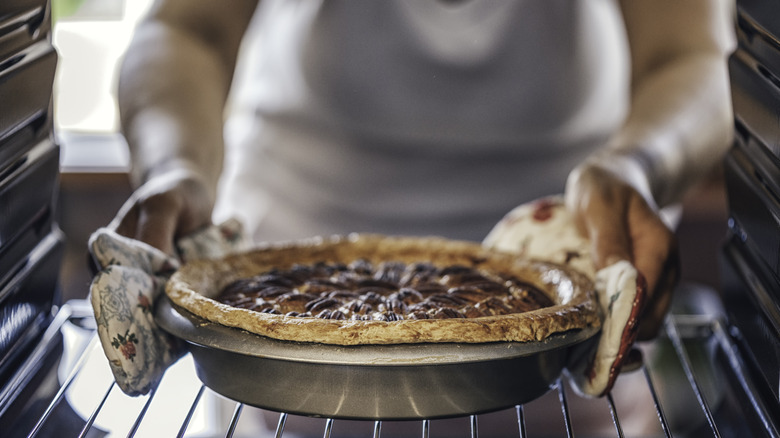
There is a moment, usually around the third day of leftovers, when you ask yourself: How long is rice good for in the refrigerator? It sits in its container, waiting for inspiration or guilt to intervene. Here is the plot twist. That humble leftover rice can replace your pie crust. This idea has been tested and praised by bakers who understand both thrift and flavor. Simply use cooked rice pressed into a pie pan to form a crisp, toasty shell that can hold both sweet and savory fillings.
For this to work, texture matters. Rice should not be sticky-wet or clumpy from the pot. It helps to spread leftover rice on a tray and let it dry slightly in the refrigerator overnight. Drying allows the grains to crisp instead of steam when baked. The science is similar to techniques used when making crispy rice, where moisture reduction leads to browning and crunch. Once the rice is dried, it can be mixed with a small amount of beaten egg or fresh cheese to help encourage cohesion before it is pressed firmly into a greased pie plate. It feels less like rolling dough and more like sculpting. There is a quiet satisfaction in using something that was already made and giving it a new role.
A grain crust that carries flavor and flexes for any filling
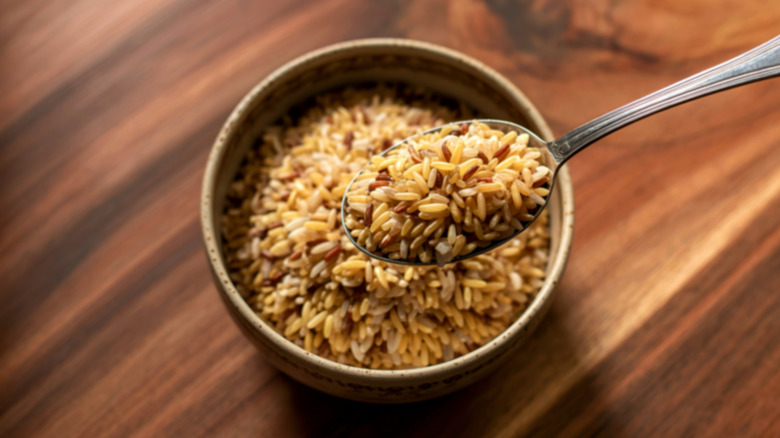
Here is what gives this trick real staying power. Rice crust does not try to imitate a butter pastry crust. It does something else entirely. It becomes a crisp platform with its own personality. The flavor is nutty and warm and the texture gives a pleasant snap when cut. It pairs beautifully with delicious mushroom pies, roasted squash fillings, and perfect quiches that lean into herbs and cheese. The same method works with quinoa and can yield an even lighter crust with faint earthy notes.
Some pitfalls are easy to avoid. Press the grains firmly into the pan, paying attention to the corners to avoid gaps. Blind bake the crust for a short time before adding wet fillings. This step reduces the chance of sogginess and preserves the crispness of the base. Just as with fried rice, starting with drier grains prevents steaming and mushiness, a point often emphasized in fried rice technique guides .
This is a crust that invites improvisation. Add toasted sesame seeds for extra crunch. Stir in shredded cheese for depth. Mix in fresh herbs for aroma. The leftover rice that looked tired becomes the foundation of something generous, interesting, and delicious.